In brief
A looming partial government shutdown threatens to disrupt various public services in the U.S., affecting employees and operations in several departments. While agencies like the Department of Homeland Security and the FDA will continue some operations, ones like the NIH and CDC plan significant furloughs. Citizens are advised on the potential impacts to healthcare, immigration enforcement, and disaster relief.
The federal government faces a partial shutdown that could severely impact various public services and the broader U.S. economy. Furloughs and layoffs are expected, halting numerous government activities, although some critical functions like immigration enforcement and public health operations will continue.
Immigration Enforcement and DHS Operations Continue
The Department of Homeland Security is set to keep most personnel active due to the nature of funding related to law enforcement and user fees. Approximately 14,000 out of 271,000 employees will be furloughed, but crucial functions like Customs and Border Protection will remain operational.
Health Services: Medicare and Medicaid Unaffected, but Delays Expected
Medicare and Medicaid services will not be interrupted during the shutdown; however, staffing shortages may lead to service delays. The government assures sufficient funds for Medicaid in the first quarter.
FEMA and Disaster Relief at Risk
FEMA will continue its core disaster functions, but new grants and policies will halt, potentially affecting new mortgages requiring flood insurance. An extended shutdown threatens to exhaust FEMA's existing Disaster Relief Fund.
Air Traffic Control Operations Continue Amid Financial Stress
Air traffic controllers will remain on duty, though their pay may be delayed. Training programs in Oklahoma City will shut down, exacerbating existing workforce shortages in the profession.
Government Health Agencies Face Furloughs
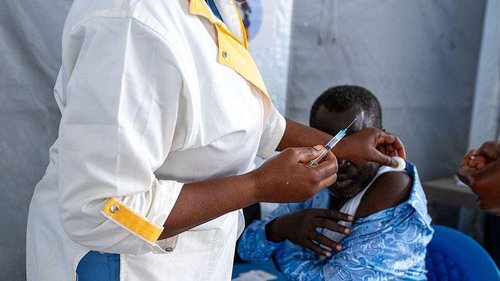
The CDC plans to furlough over half its workforce, cutting essential health research and public communications. Similarly, the NIH's research will stall despite continued patient care for those in current studies. New enrollments will be frozen, impacting access to experimental therapies.
FDA Services Remain Operational
Most FDA operations, including responding to health threats, will persist, albeit routine inspections will pause, affecting long-term food safety initiatives.
State Department Cuts but Global Services Open
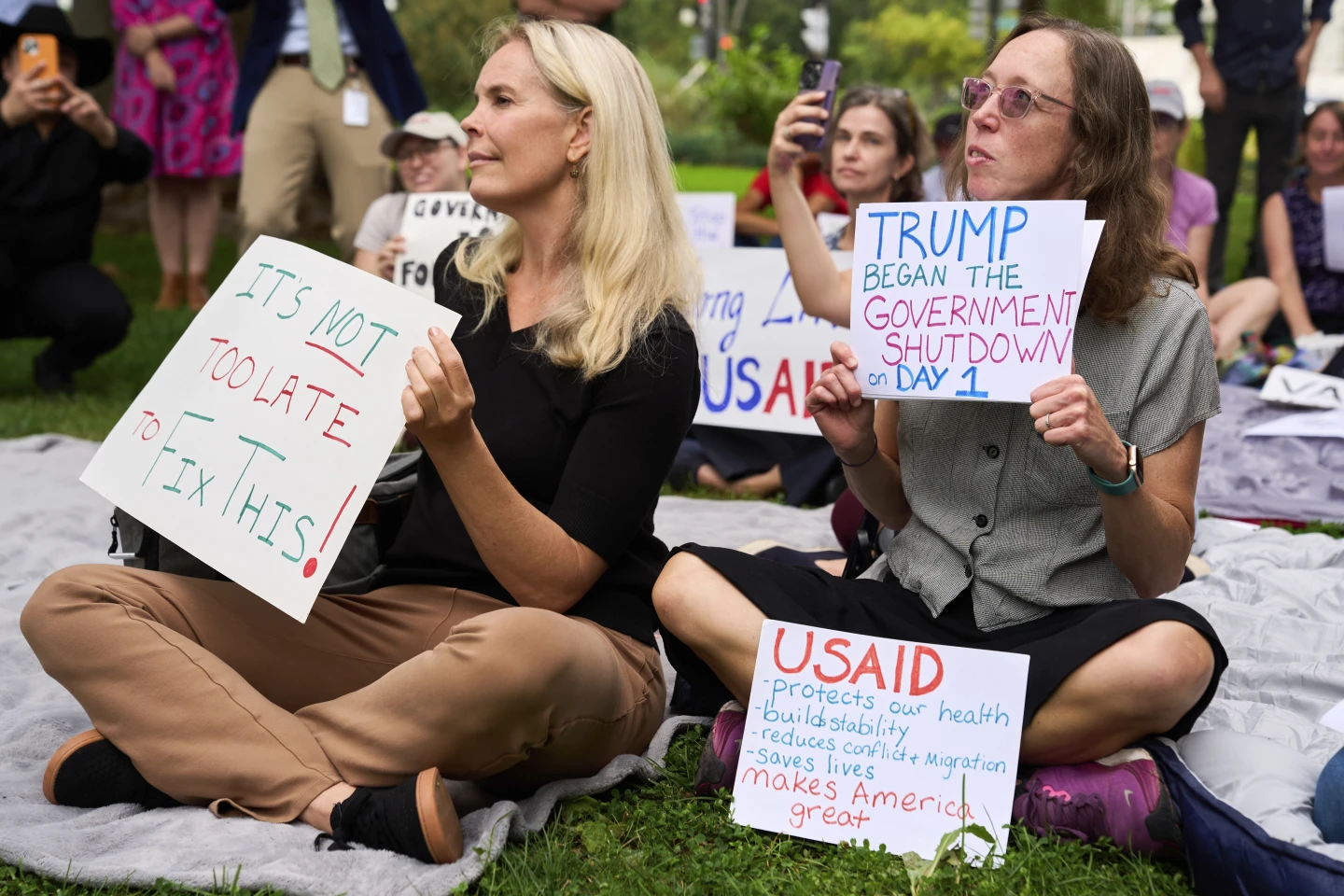
The State Department anticipates significant domestic furloughs while maintaining operations in embassies abroad, ensuring crucial services for U.S. citizens overseas.
EPA Staffing for Core Activities
More than 10% of EPA staff will be on duty to manage significant activities protecting life and property, including environmental law enforcement and disaster assistance.
As various agencies plan for the shutdown, citizens should be aware of how these changes could affect them and any immediate services they rely on.