
In brief
The annual Fanti Carnival unfolded in Lagos, Nigeria, showcasing a medley of elaborate costumes, music, and performances. This festival, rooted in the Afro-Brazilian heritage of the city, highlights the historical migration of formerly enslaved Africans from Brazil and Cuba, who brought their cultural legacies to Lagos Island. The celebration attracts families and individuals of all ages, with participants donning colorful attire and delighting in the artistic splendor of the event, underscoring its significance for future generations.
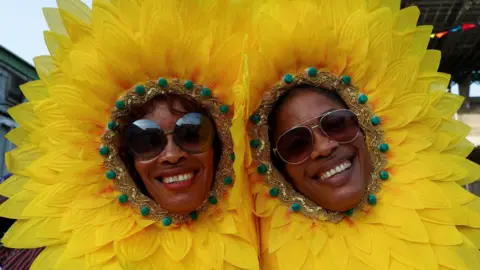
Elaborate costumes, blaring music and vibrant processions took over Nigeria's Lagos Island on Monday as the annual Fanti Carnival hit the streets.
The festivities have lit up Lagos' financial hub for more than two centuries, celebrating the legacy of the Afro-Brazilian returnees who once settled in the city.
This year's carnival featured musical performances, bedazzled horses, huge dragons and dancing stilt walkers.
In the 1800s, some formerly enslaved Africans and their descendants migrated back to the continent from countries like Brazil and Cuba. Many Afro-Brazilians settled on Lagos Island, bringing with them new customs. These customs fused with those of Nigeria's Yoruba people, leading to creations like the Fanti Carnival.
On Monday, carnival attendee Glamour Sandra told the AP news agency that she loved the energy, the artistic splendour, the creativity of the event. Youngsters appear to be heeding this message - several children and teenagers participated in Monday's parades, decked out in creative costumes.
The celebration is sustained by seven historic associations, each with its own unique signature colors. Members of these associations proudly participated, showing off vibrant outfits and ensuring the rich traditions are passed on to future generations. The carnival's organizers are immensely proud of the event, describing it as neither wholly Brazilian nor wholly Yoruba, but entirely its own. This celebration will return again next April, allowing others to revel in its beauty.