
In brief
A deadly landslide hit the Tsadqane Debre Mitmaq St Mary Monastery in Ethiopia’s Amhara region, claiming 14 lives as worshippers gathered for a special prayer service. Rescue teams halted after finding the slope collapsed in a devastating rain‑driven slide, leaving many injured and debris blocking access. Eleven victims have since been buried at the monastery, while the rest were returned to their hometowns. The incident underscores the growing risk of extreme weather and landslides in the region, linked to climate change.
In the early hours of Monday, a catastrophic landslide struck the mountain‑side Tsadqane Debre Mitmaq St Mary Monastery in Ethiopia’s northern Amhara region, killing 14 worshippers who had gathered for a Holy Water cleansing ritual.
Rescue units were unable to recover survivors after the heavy, continuous rain that saturated the hillside caused a sloping wall to give way, burying the praying congregation beneath the rubble. Seven injured were found and four were taken to the nearest medical facility, but the search is now suspended due to the unstable terrain and safety of the teams.
"The land above the cave slid after the heavy night‑time rain," said senior official Dagnachew Azbite to the BBC. The monastery, carved into the mountainside, hosted the service and the famous ritual of soaking in holy water, sought by countless Orthodox Christians for healing and spiritual renewal.
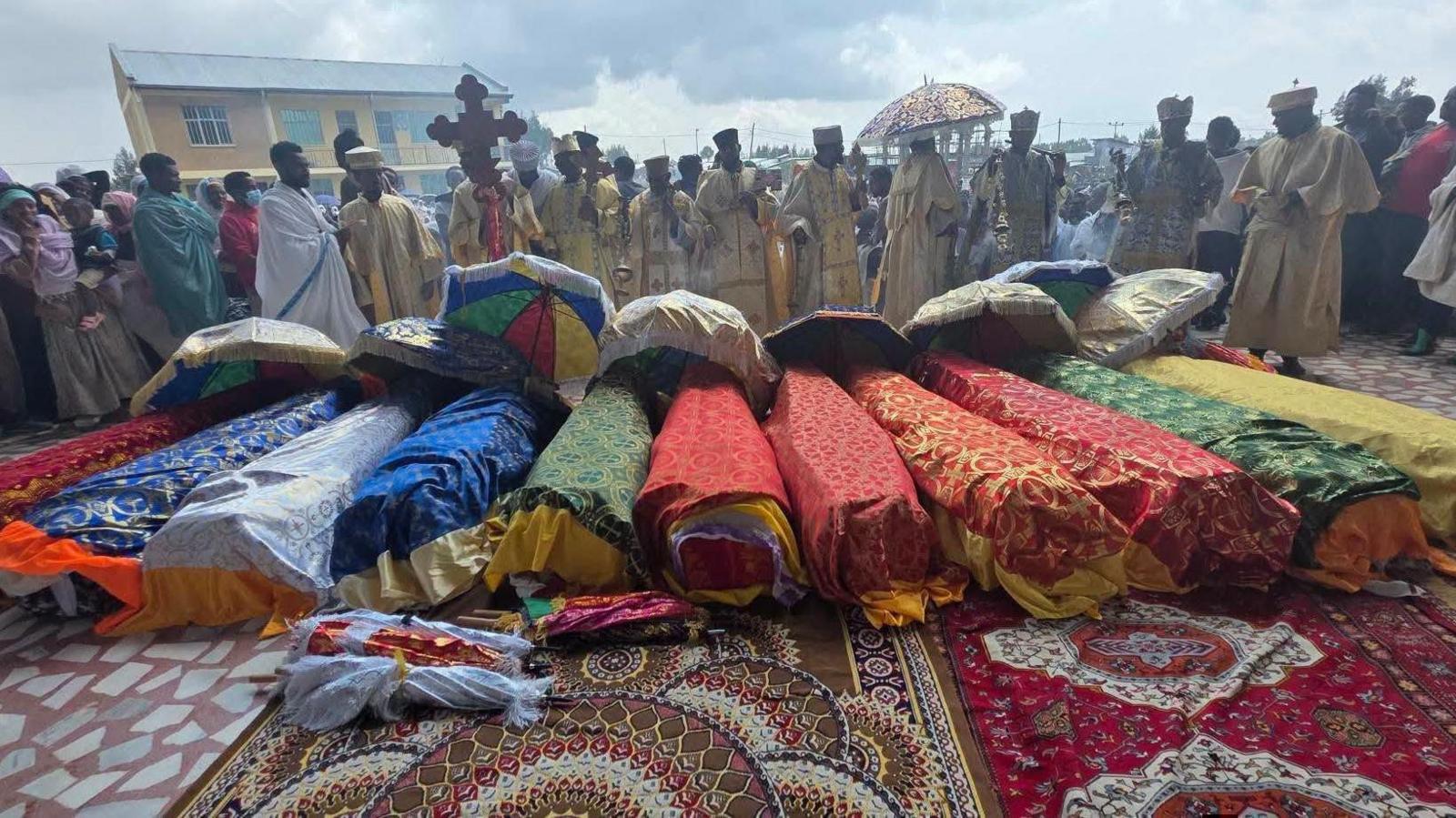
The diocese’s general manager, Megabe Hadis Neka Tibeb Ababu, explained that eleven of the deceased were buried on monastery grounds, while the remains of the remaining three were returned to their home villages for burial. Identification of victims continues to be a challenge for authorities.
Local security forces, medical workers and neighbours had been on scene, attempting to clear debris and chain the site to halt the slide’s further damage. Archbishop Abune Klementos, head of the North Shewa Diocese, travelled to the site to lead funeral prayers and offer comfort to families left bereft.
Such tragedies are all too common in the region, where landslides crash into communities during Ethiopia’s main rainy season of June‑August. In March alone, floods and mud slides killed more than 100 people in southern Gamo Zone, and a July 2024 disaster in Geze Gofa Zone took over 229 lives, including rescue workers, marking it as the country’s most lethal weather event in recent memory.
Scientific reports confirm a pronounced increase in extreme rainfall episodes and prolonged dry spells across East Africa. Climate change, experts warn, is intensifying these events, magnifying the risk of deadly mud slides.
Image source: North Showa Zone Police
