In brief
President Emmanuel Macron has ordered that only authorised union demonstrations may take place across France on Saturday, following a week of widespread riots and property damage. The decision comes after police predicted a 550,000‑person turn‑out, but protests were marred by looting and fires, notably at Lyon’s tourism office. Interior Minister Jean‑Didier Berger increased police presence by 20% while the justice system has convicted 217 participants in fast‑track trials. Macron condemned far‑left “seditious” actions and urged a return to order, warning that non‑union gatherers would face bans. Several cities, including Lyon, Toulon, Rouen and Grenoble, have already imposed blanket bans or curfews, reflecting the heightened security stance as the country heads toward its upcoming elections.
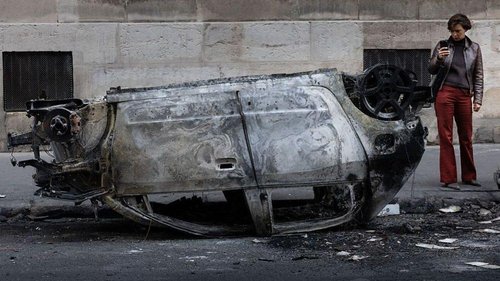
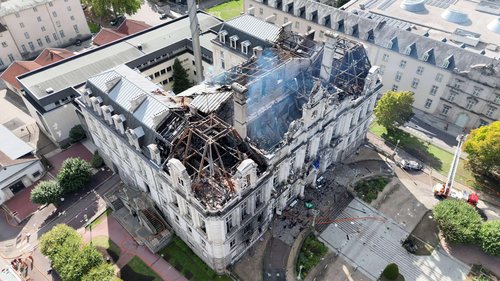
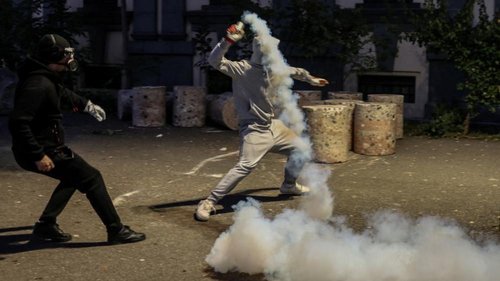
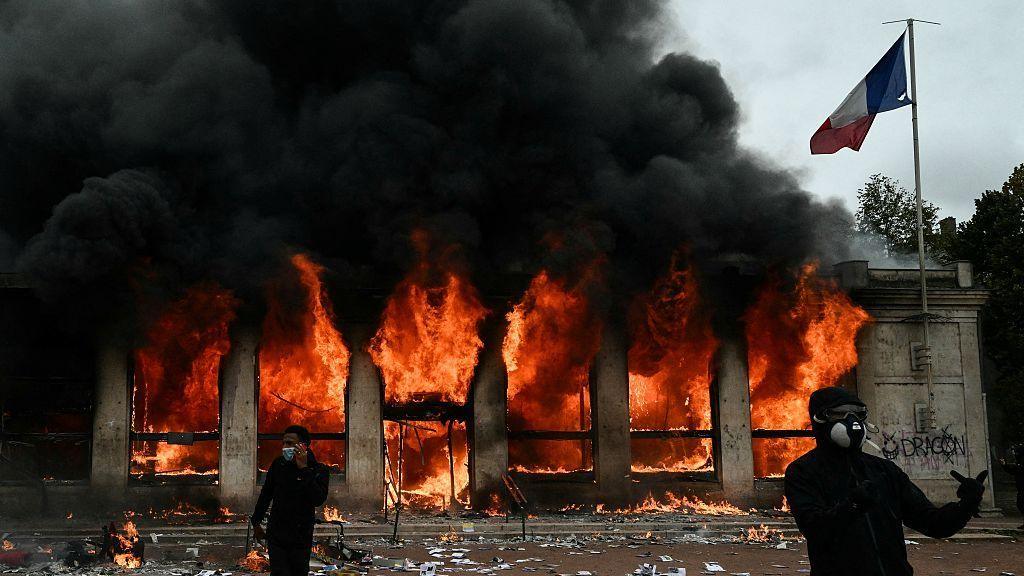
Only authorised union demonstrations will be allowed across France on Saturday, President Emmanuel Macron said today, after a weekend of violent protests that saw businesses and historic buildings set ablaze.
In a televised statement, Macron told the nation that “illegitimate” protests would not be permitted, while trade unions were offered “alternative routes” through prefects so that they could still express grievances without endangering public order. “When they are not union organisations, wherever possible, they will be banned,” he added.
The crackdown follows a surge in police deployment – a 20 per cent increase over last weekend’s force, as Interior Minister Jean‑Didier Berger warned that the government had been blindsided by the scale of the unrest. Seconds after the protests began, Lyon’s tourism office was set on fire, and in Limoges the city hall’s clock tower collapsed after a blaze sparked by demonstrators.
The justice ministry has already sentenced 217 protesters in fast‑track trials, with more cases anticipated. Prime Minister Sébastien Lecornu pledged a “massive” police presence for the coming week, although some officers have criticised their training for managing large crowds.
The unrest has revived older movements; the “gilets jaunes” (yellow‑vest) paved the way for many of the confrontations, and several planned marches in Paris were banned last week. In Lyon, the prefecture issued a decree banning any demonstration this Saturday, and similar bans have been placed in Toulon, Rouen and Grenoble. Partial curfews aimed at limiting night‑time gatherings are in force in Marseille, Bordeaux, Nice and Lille.
Macron’s remarks came after the Interior Minister announced that 2,700 people were arrested nationwide, with over 1,000 appearing in court. Half of those detained reportedly had no prior criminal record, according to Le Figaro.
Speaking amid rising fuel‑price protests and cumulative cost‑of‑living complaints, Macron emphasised that France’s republic must not be threatened by “political and even seditious acts organised by far‑left groups.” He called for a return to calm while reassuring citizens that the government was committed to protecting public liberty and the integrity of French streets.
As France approaches its presidential election cycle, the weekend’s violence has placed renewed scrutiny on the state’s responsibility to safeguard civil rights while preserving order, a balance that many voters will consider in the coming months.