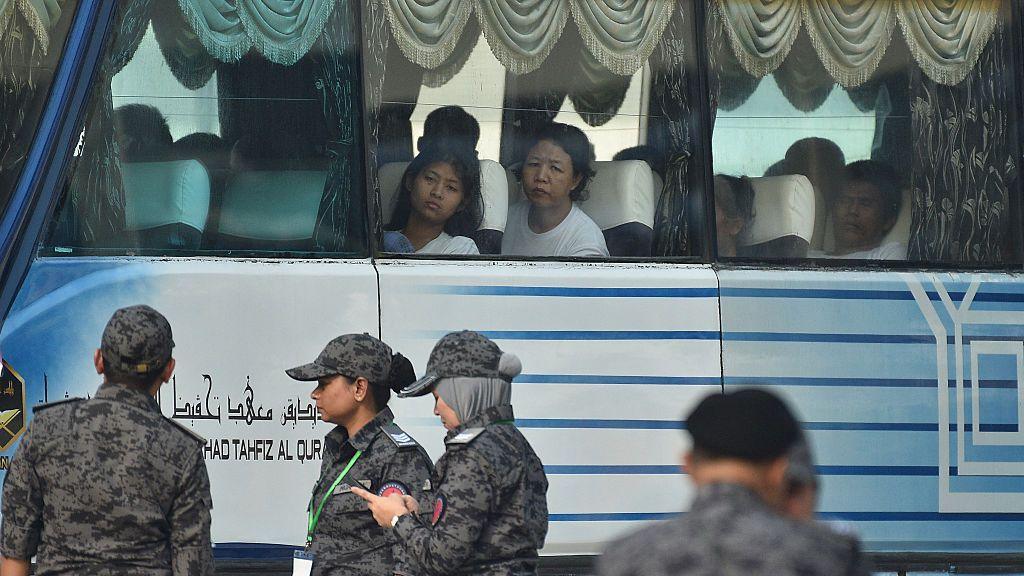
Malaysia has begun repatriating around 5,000 asylum seekers from Myanmar, a move that has drawn sharp criticism from human‑rights organisations.
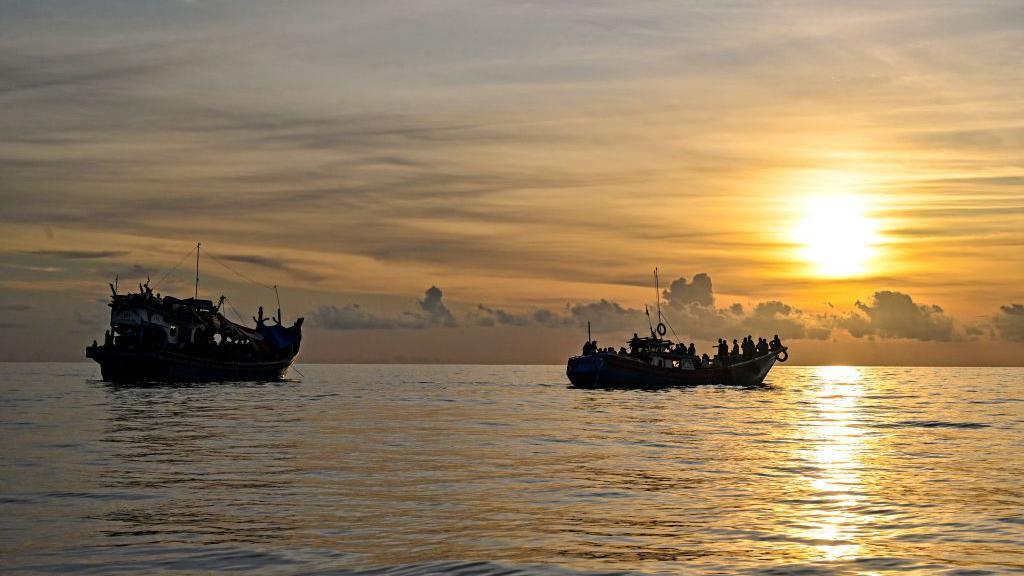
Three ships from the Myanmar navy are set to depart today, carrying the first batch of 1,476 returnees. Human‑rights groups warn the returnees could face violence, persecution and forced conscription into the Myanmar army.
While Malaysia asserts the repatriation is "voluntary", it has barred UNHCR staff from viewing or screening detainees who have been held in detention centres.
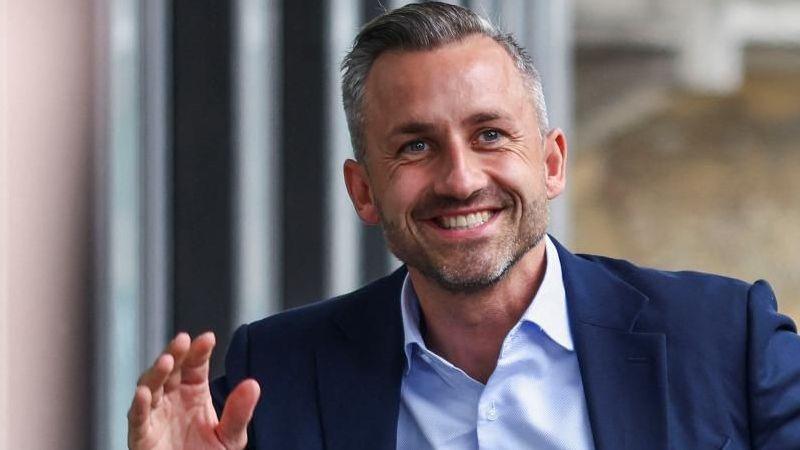
Prime Minister Anwar Ibrahim says the returnees will include Rohingyas—Muslim minorities who fled persecution in Myanmar and lack citizenship status there. He argues the move is required to address growing public hostility toward the Rohingya population and to stabilize the fragile governing coalition.
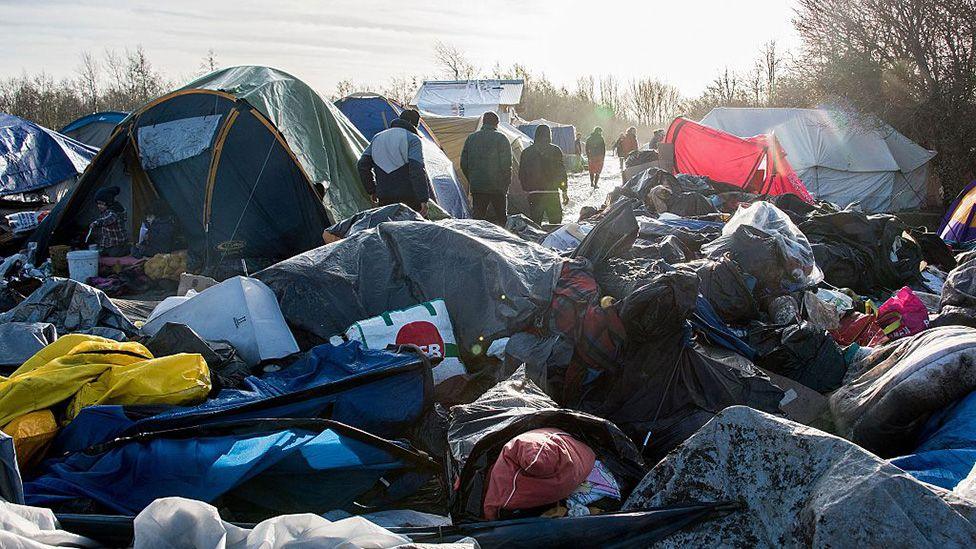
Historically, Malaysians have shown sympathy for the Rohingya, offering sanctuary to over 200,000 refugees who arrived after the 2017 crackdown. However, the pandemic’s economic toll and repeated social‑media campaigns blaming the refugees have shifted sentiment into hostility.
Some of Anwar’s former supporters accuse him of betraying his human‑rights credentials, calling the repatriation "disgraceful" and “amoral”. In a recent interview, he stated the refugees are a "burden"—security, economic, and a source of public resentment.
Repatriation faces logistical and humanitarian challenges. Rohingyas are not recognised as citizens in Myanmar, are confined to specific areas, and the region is largely under insurgent control with ongoing military bombardment. It remains unclear how returnee men will be protected from conscription or forced reintegration into a civil war.
The policy shift signals a stark change in Malaysia’s stance toward refugees, raising serious questions about adherence to international humanitarian obligations and the safety of those forced back to a war‑zone.