Massive Russian Missile Strike Claims Five Family Members in Ukraine
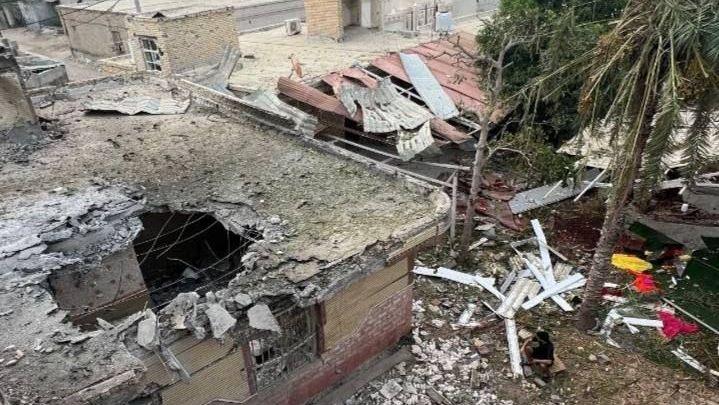
On 29‑30 July 2026, a Russian ballistic missile slammed into the village of Radushne just north of Kryvyi Rih, demolishing an ordinary family home and killing five members of the Voronov family. President Volodymyr Zelensky, in a post on X, described the attack as a "horrific crime," and urged international solidarity to defend Ukraine’s civilians.
According to the Ukrainian president, parents Artem and Olena Voronov and three of their children—Mark, Azariah Ilay, and Emilia—were among the dead. Another five children, Zakhar, Dominika, Viorika, Federica, and a grandson Artem, remain missing. Official reports from Ukraine say the strike killed eight people in total, including an 84‑year‑old woman and two children rescued alive from the rubble. The missile destroyed almost the entire house, leaving only scattered debris and human remains.
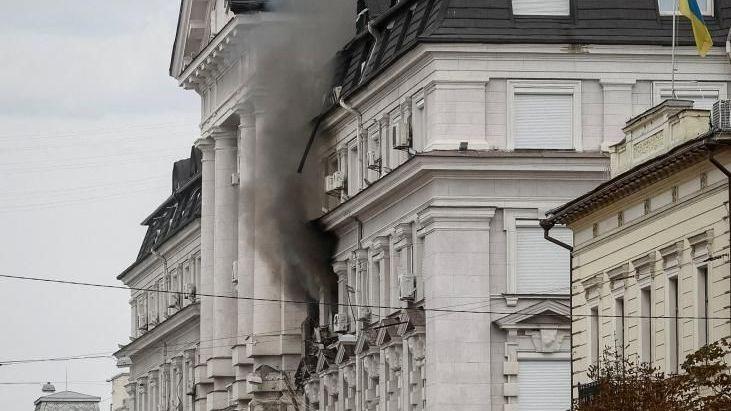
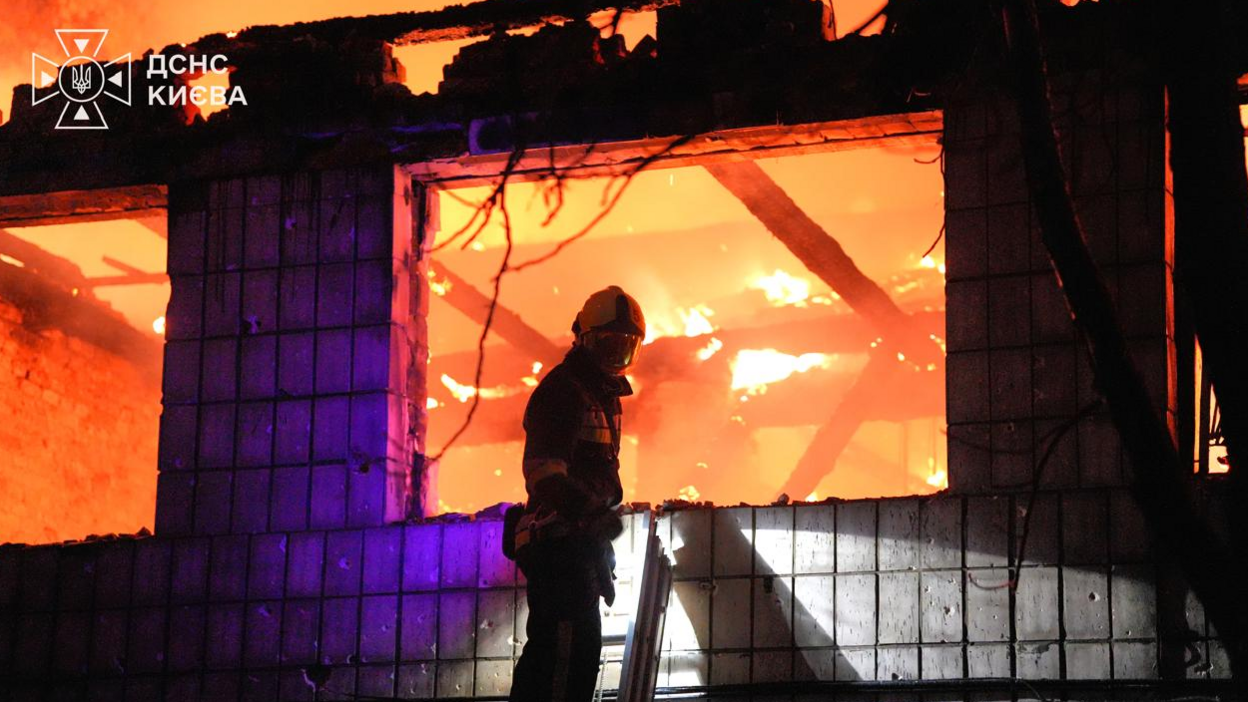
The attack was cited as part of a larger wave of missile and drone attacks that the Ukrainian government warned was imminent earlier that day, with more than 70 missiles launched from Russia overnight. In addition to Radushne, Ukrainian authorities reported fire outbreaks in three non‑residential buildings in Kyiv and damage to a postal terminal in Poltava.
Zelensky’s appeal for the United States to provide Patriot interceptor missiles came after a meeting with U.S. President Donald Trump. “This Russian evil can only be stopped by the entire world,” the president wrote, stressing the need for missile defence systems capable of intercepting ballistic rockets.
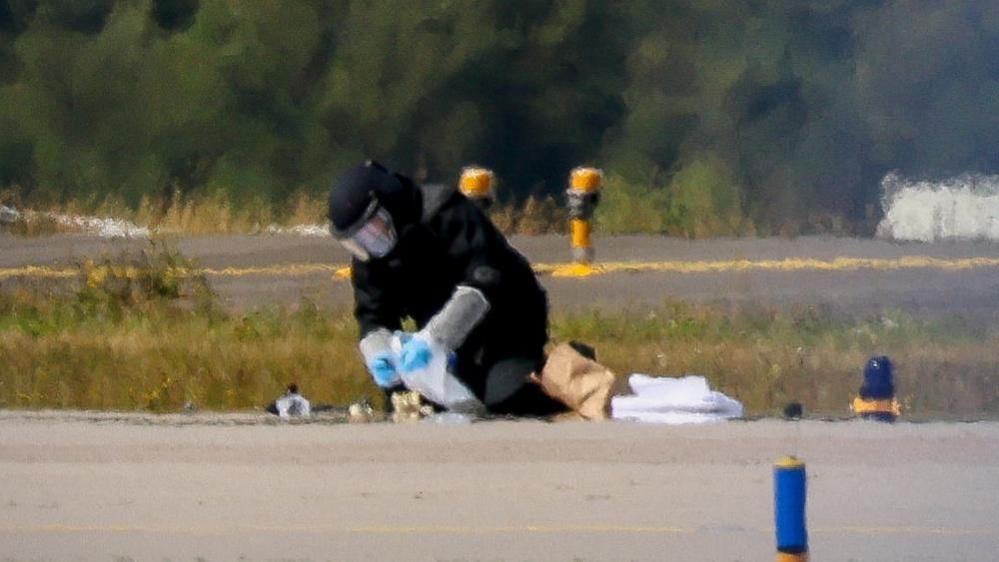
On the same day, Polish Prime Minister Donald Tusk visited the site of a 10‑m crater east of the village of Tarnawa‑Kolonia, in the Lublin province. Polish officials said a missile had overflown near the border before dropping onto their territory. Russian authorities reported an overnight attack on a Wildberries warehouse in Penza, with one person injured.
The surrounding events highlight the urgent need to upgrade Ukraine’s air‑defence capabilities. Ukrainian officials stress that without public willingness to provide advanced missile systems, protection of civilian lives remains precarious.