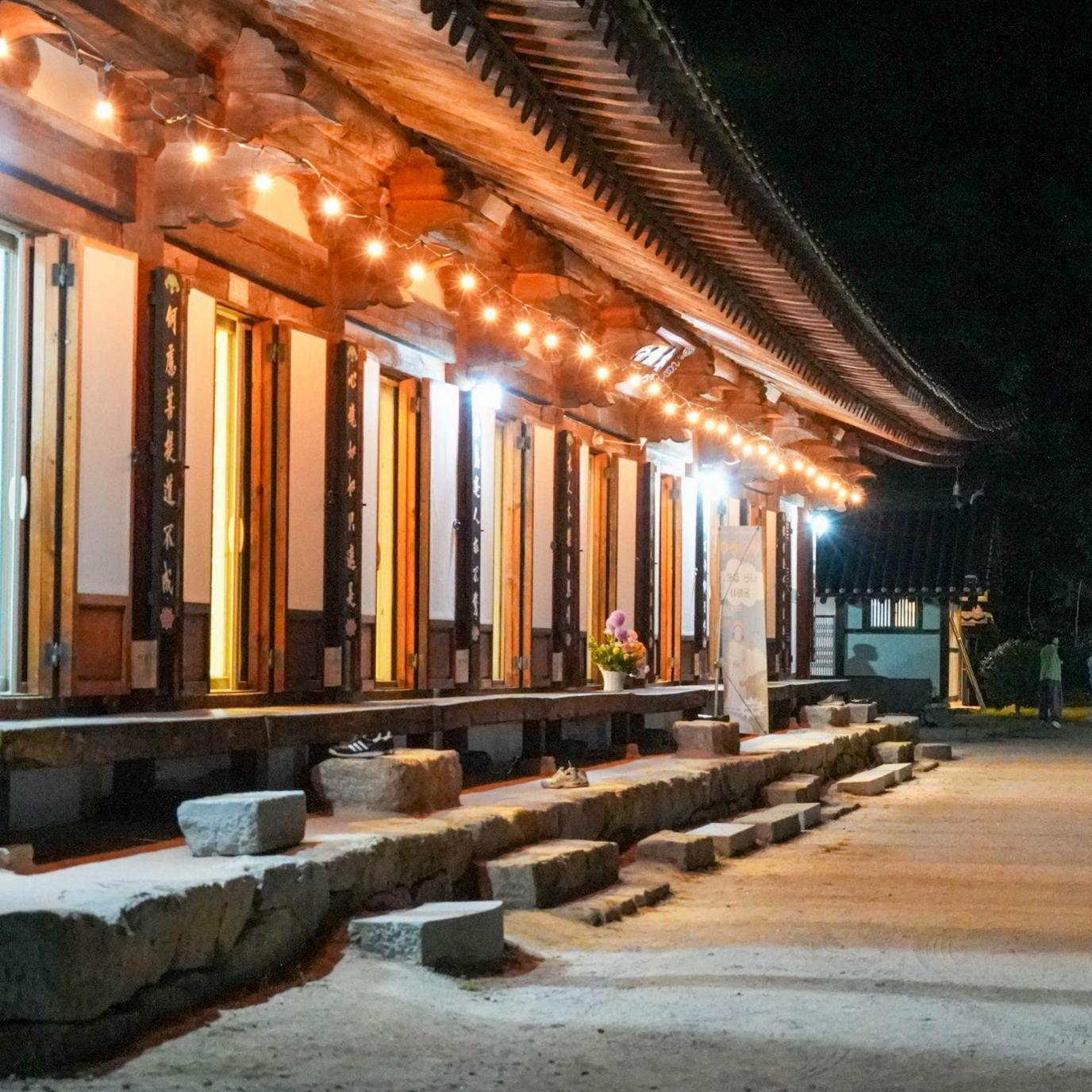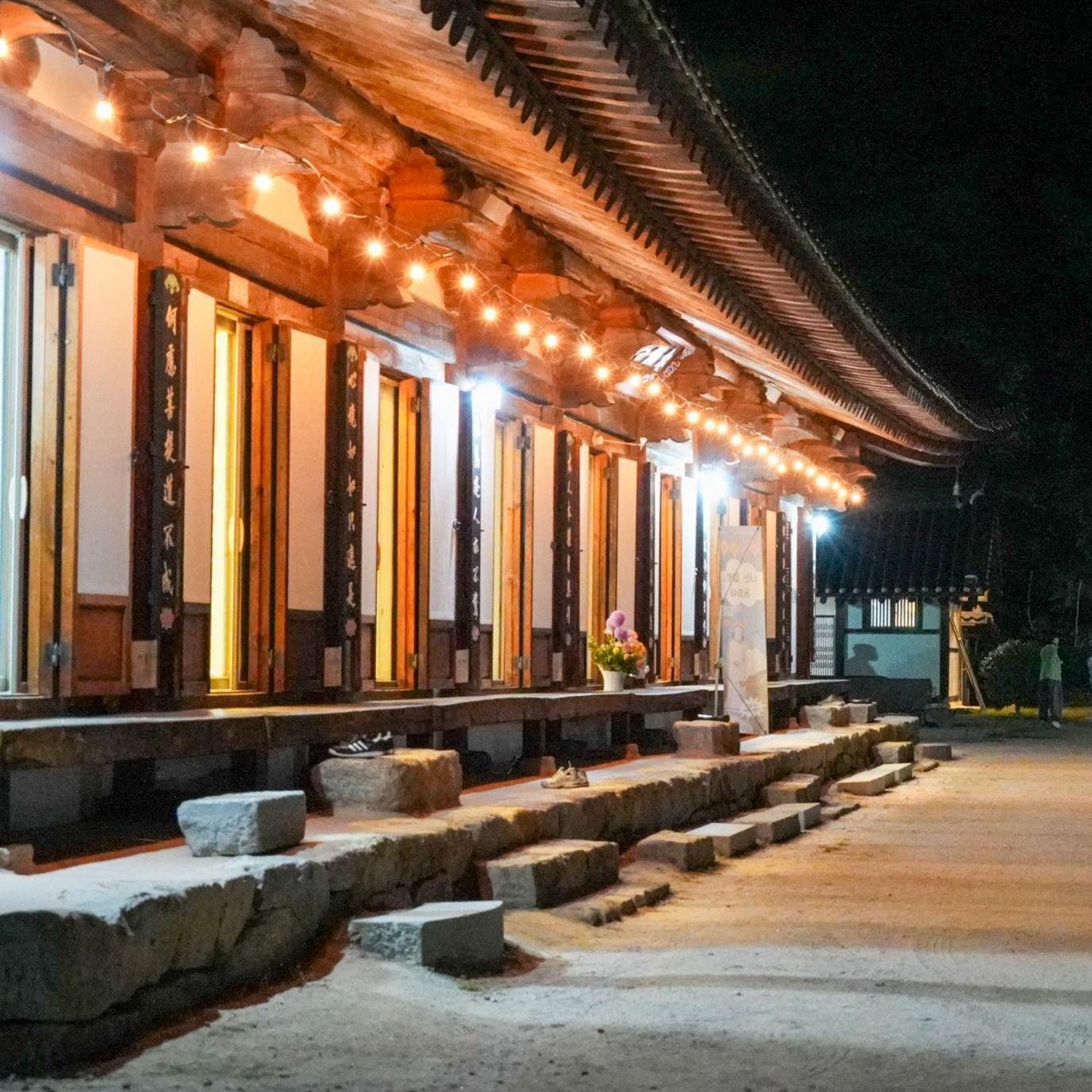
A monk in burnt‑orange robes greets a line of hopeful singles inside the 8th‑century Donghwasa Temple on Palgongsan mountain, a setting chosen to echo Korea’s history of monks defending the country.
The 30‑hour retreat, organised by local authorities, gathered 12 men and 12 women who passed a competitive selection that included questionnaires and selfie videos. Their goal: find a partner and, ultimately, farmers of the future to address the nation’s low fertility rate of 0.72 children per woman.
Participants began with light ice‑breakers. Men offered to carry the women’s luggage in a gesture of service, while women, including 28‑year‑old Sunhyeji, shared their struggle to meet partners in the quieter parts of Seoul. A host, Yoo Cheol‑ju, reminded them that monks “have always taken action when our country is in trouble,” extending the mantra to the modern crisis of low births.
The day’s first activity involved distributing French pastries made by participant Enyo, sparking a moment of connection. Couples were then paired for a walk in surrounding woods and later for lunch, where conversations about careers, hobbies and favourite shows grew more genuine. The highlight – a talent show – put everyone’s inhibitions to the test with music, singing and dancing in front of monks.
As the evening progressed, some matches were confirmed using symbolic roses. Two couples – Minho with Ruby and, unexpectedly, Enyo with a staff member – sealed their intentions by text that morning. Still, the event concluded with 8 couples formed, 16 participants writing home with new friendships, and a few like Enyo encouraging a return.
Despite the modest success rate, the retreat demonstrates how government‑backed matchmaking can blend cultural heritage with social innovation. By 2024 birth rates began to climb slightly, and surveys suggest a growing openness to marriage and child‑bearing. The monks’ mission, now, is to keep this momentum alive, offering another chance at connection for South Korean singles.