
In brief
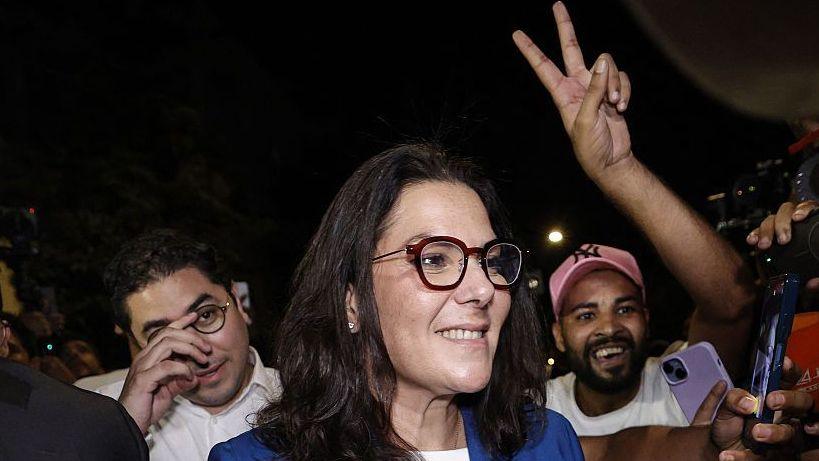
In a historic moment for Moroccan politics, Fatima Zahra El Mansouri was appointed the country’s first female prime minister after her party won the most seats in the recent elections. The 50‑year‑old lawyer, formerly mayor of Marrakesh, steps into a role traditionally dominated by men in a constitutional monarchy where the king appoints the head of government. El Mansouri will need to build a coalition to command a majority in the 395‑member parliament, while her appointment signals a growing pace of gender equality in North Africa’s politics.
In a historic shift, Fatima Zahra El Mansouri was named Morocco’s first woman to head a government following her party’s lead in the parliamentary elections of September 2026.
El Mansouri, a trained lawyer who has served as mayor of Marrakesh since 2009, declined to answer questions about how her role would fit into traditional religious ceremonies, instead praising the king as a champion for women. “His Majesty is the holder of wisdom… If I am entrusted with the responsibility of head of government, it will be a great honour,” she said at a victory press conference.
The appointment follows Morocco’s constitution, which gives the king the power to name the prime minister from the party that wins the plurality of seats. While the Authenticity and Modernity Party (PAM) holds 97 seats and lacks an outright majority, it will need to form a coalition to reach the 198 seats required to govern alone. King Mohammed VI confirmed that the final decision would be between El Mansouri and fellow PAM figure Fouzi Lekjaa.
El Mansouri’s rise to power marks the second time a woman has led a government in the Arab world, following Tunisia’s Najla Bouden. Her background includes a decade‑long tenure as minister for national territory planning, housing and city policy under former Prime Minister Aziz Akhannouch, and she has long avoided public discussions on gender rights despite ongoing debates over polygamy and inheritance laws in Morocco.
As the new prime minister, she faces the immediate task of negotiating a support coalition in a parliament split between her PAM, the Justice and Development Party, and other smaller parties. Political analysts suggest the PJD, which saw a substantial seat increase, has ruled out partnership with PAM and will likely remain in opposition.

