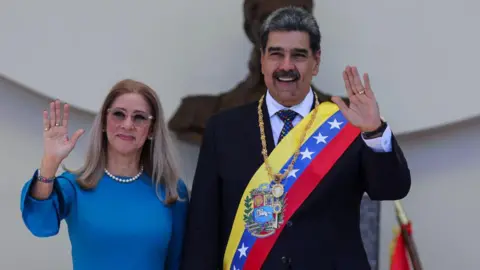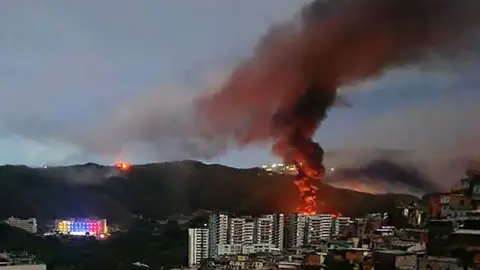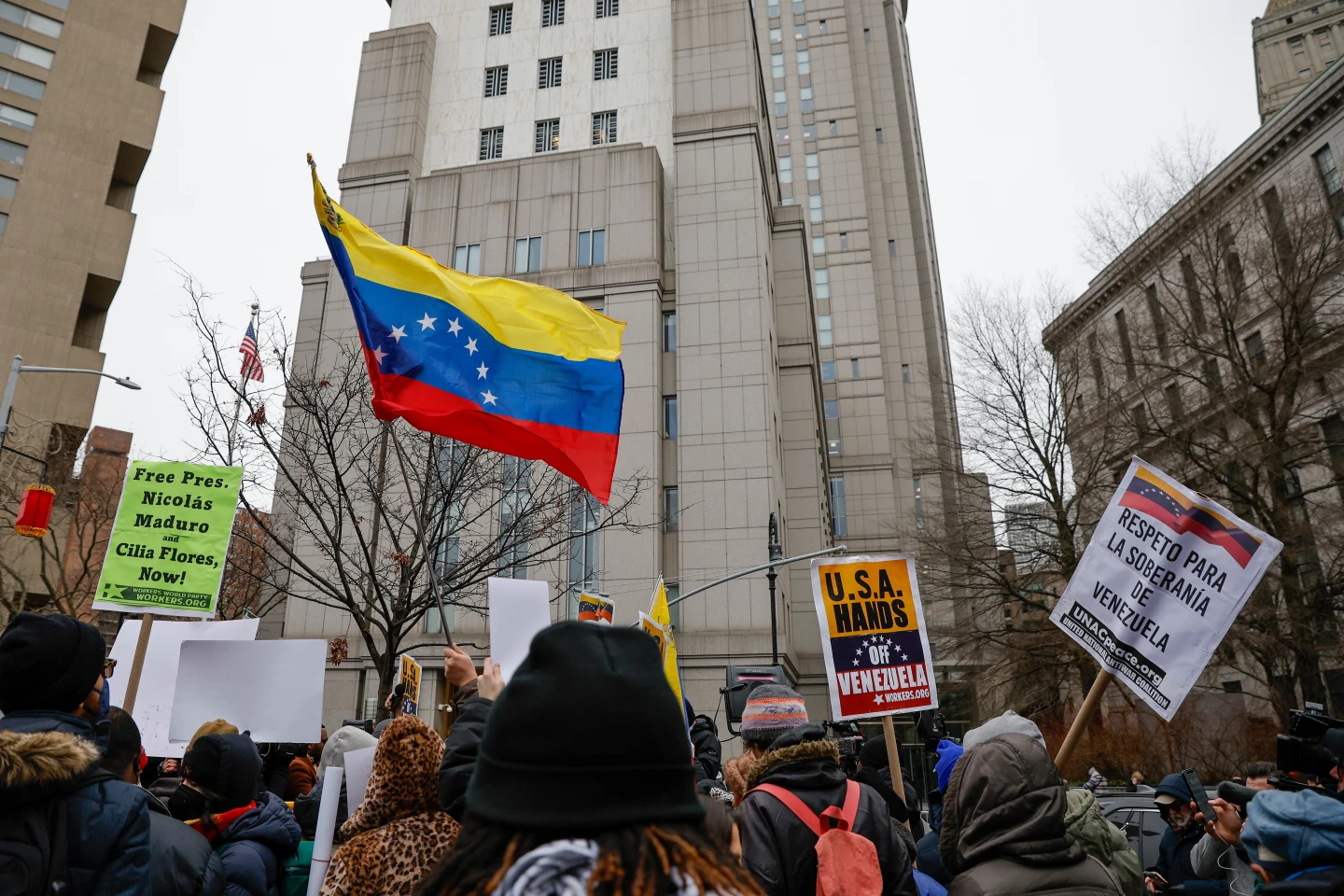
NEW YORK (Civitas.Global) — Nicolás Maduro’s first court hearing in the U.S. marked the start of a legal journey that may confine him and his wife, Cilia Flores, to prison for years. The couple was arraigned Monday on serious drug trafficking charges following a dramatic raid by U.S. forces in Caracas. With both pleading not guilty, Maduro insisted he remains Venezuela's president, challenging the legitimacy of the charges against them.
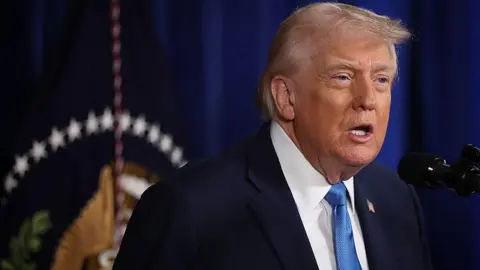
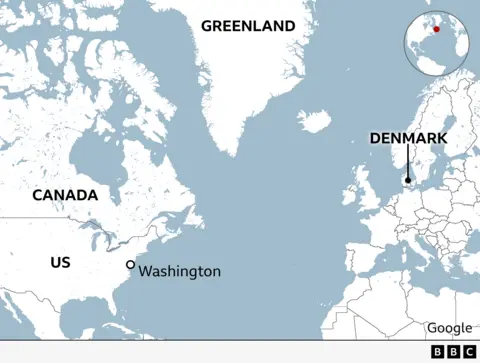
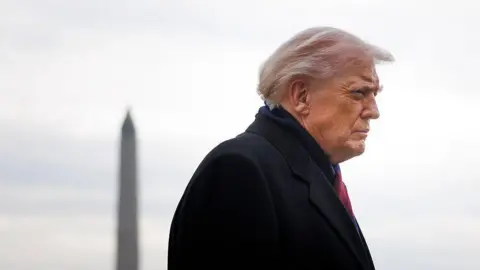
The actions taken by the U.S. have been defended by President Donald Trump’s administration as a targeted law enforcement operation aimed at addressing criminal activities that date back six years. Maduro has branded the arrest a kidnapping, labeling himself a prisoner of war. While global politics unfolds, the couple is currently held in New York, approximately 2,100 miles away from their homeland, with their next court appearance set for March 17.
Potential For Bail
Maduro, 63, and Flores, 69, may request bail, which would allow them to avoid jail while waiting for trial. Although this option was not pursued during their initial hearing, their lawyers indicated it might be considered later. Judge Alvin Hellerstein has expressed willingness to entertain bail requests, but serious charges and potential flight risks complicate matters.
Both are facing life sentences for serious offenses, including conspiracy to import cocaine into the U.S. and possession of firearms. Historical precedent shows that figures like Manuel Noriega have not been granted bail in similar circumstances, making their chances slim.
Health Concerns
Health issues have also emerged as a concern. Flores reportedly suffered significant injuries during the capture and requires medical attention. Maduro’s lawyer has expressed that the former president has health issues needing immediate care. Both have been assured of proper medical treatment as they navigate their incarceration at the Metropolitan Detention Center in New York.
Consular Visits and Legal Challenges
In court, Maduro expressed a desire for consular visits, a right afforded to non-citizens charged with crimes in the U.S. However, uncertainty surrounds the specifics of such visits, particularly following Maduro's closure of Venezuelan diplomatic missions in the U.S.
Additionally, Maduro's legal team plans to mount significant challenges against the indictment. They argue that as a former head of state, Maduro is entitled to certain immunities, although the U.S. has not recognized him as Venezuela’s legitimate leader for years.
The legal complexities ahead promise a protracted battle that could reverberate beyond the courtroom, influencing both Venezuelan politics and U.S.-Venezuela relations.