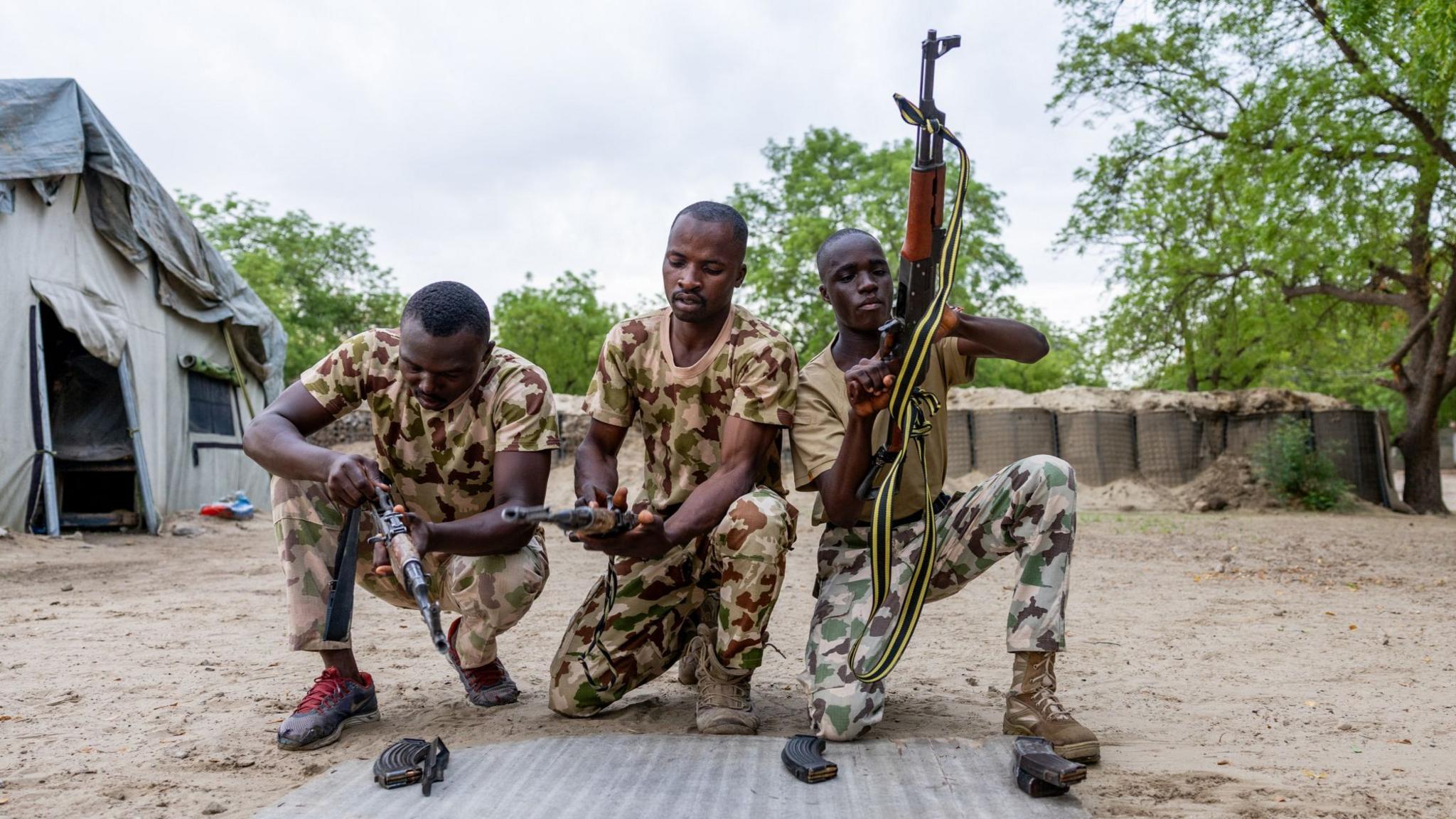
Nigeria Expands Armed Forces in Bid to Curb Rising Violence
Nigeria’s president has approved the country’s most extensive military expansion in recent times, a move aimed at addressing the mounting security challenges that plague the nation.
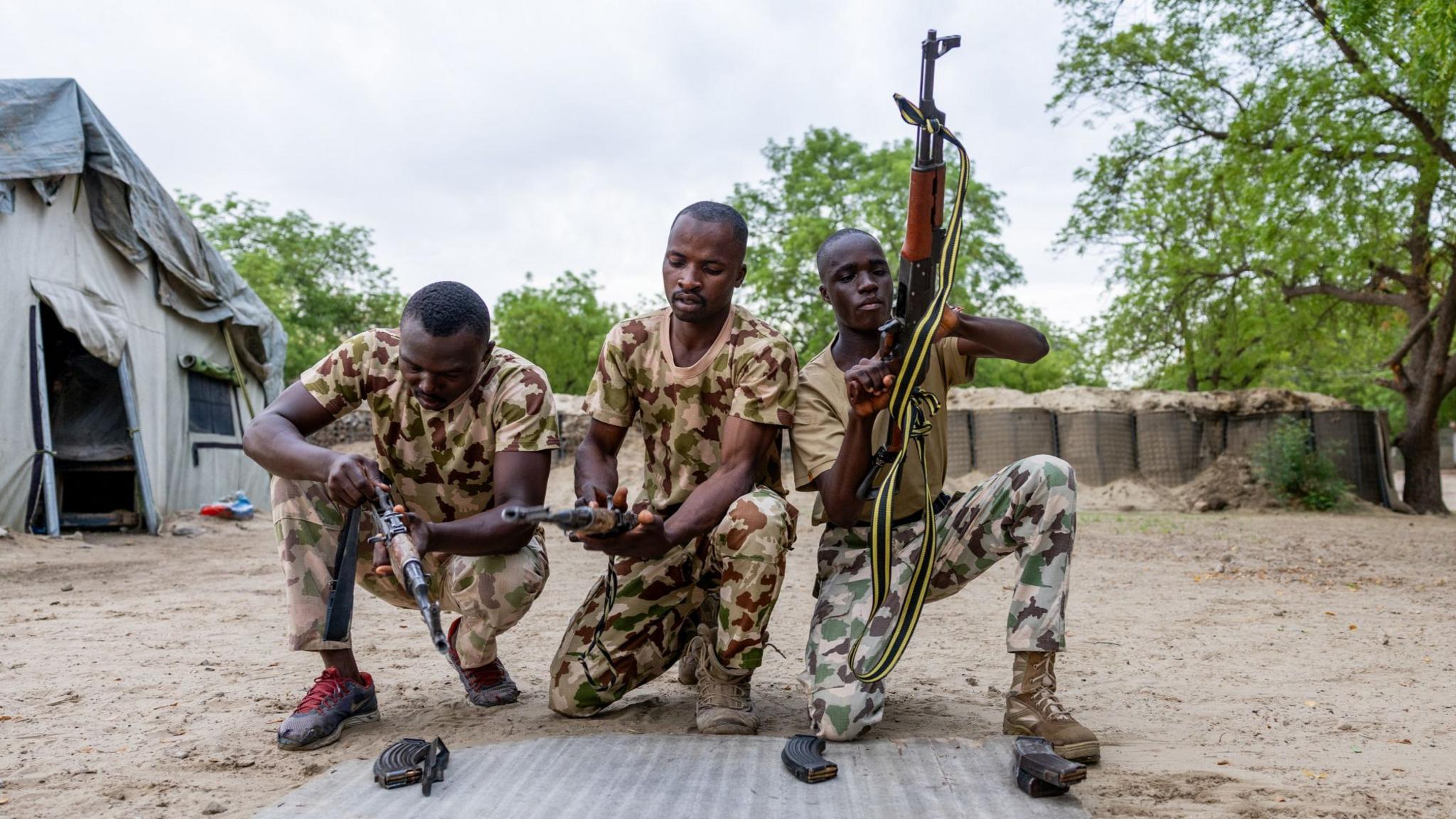
The president has green‑lit the recruitment of 28,000 extra soldiers and the creation of four new army divisions, raising the total number of divisions to 12. The move follows a series of violent incidents: an armed gang killed at least 20 villagers in Zamfara, and 46 students were abducted from a school in Borno state before being rescued after hours of military action.
Security officials say the expanded structure will offer better coordination, intelligence sharing and faster response times. In the current arrangement, several divisions cover vast areas that span multiple states, stretching resources during persistent attacks.
Alongside the new divisions, three military headquarters will be established in the north‑east and central zones—regions besieged by Islamist militants, banditry and farmer‑herder clashes. The government also plans to recruit tens of thousands of soldiers, a task complicated by the high casualty rate among existing troops.
President Tinubu has sworn armed groups to "surrender or face the full force" of the state, and in a recent speech pledged more than 50,000 new police officers and a record 5.41 tn naira (US$4 bn) to defence and security in the annual budget.
Despite joint US‑Nigerian operations against jihadists, attacks continue, including a December launch of strikes against the Lakurawa group and the death of senior IS leader Abu‑Bilal al‑Minuki during a campaign in the Lake Chad Basin. The Armed Forces will now have a stronger front in the fight against these groups, but recruiting remains a challenge in light of recent threats and casualties.