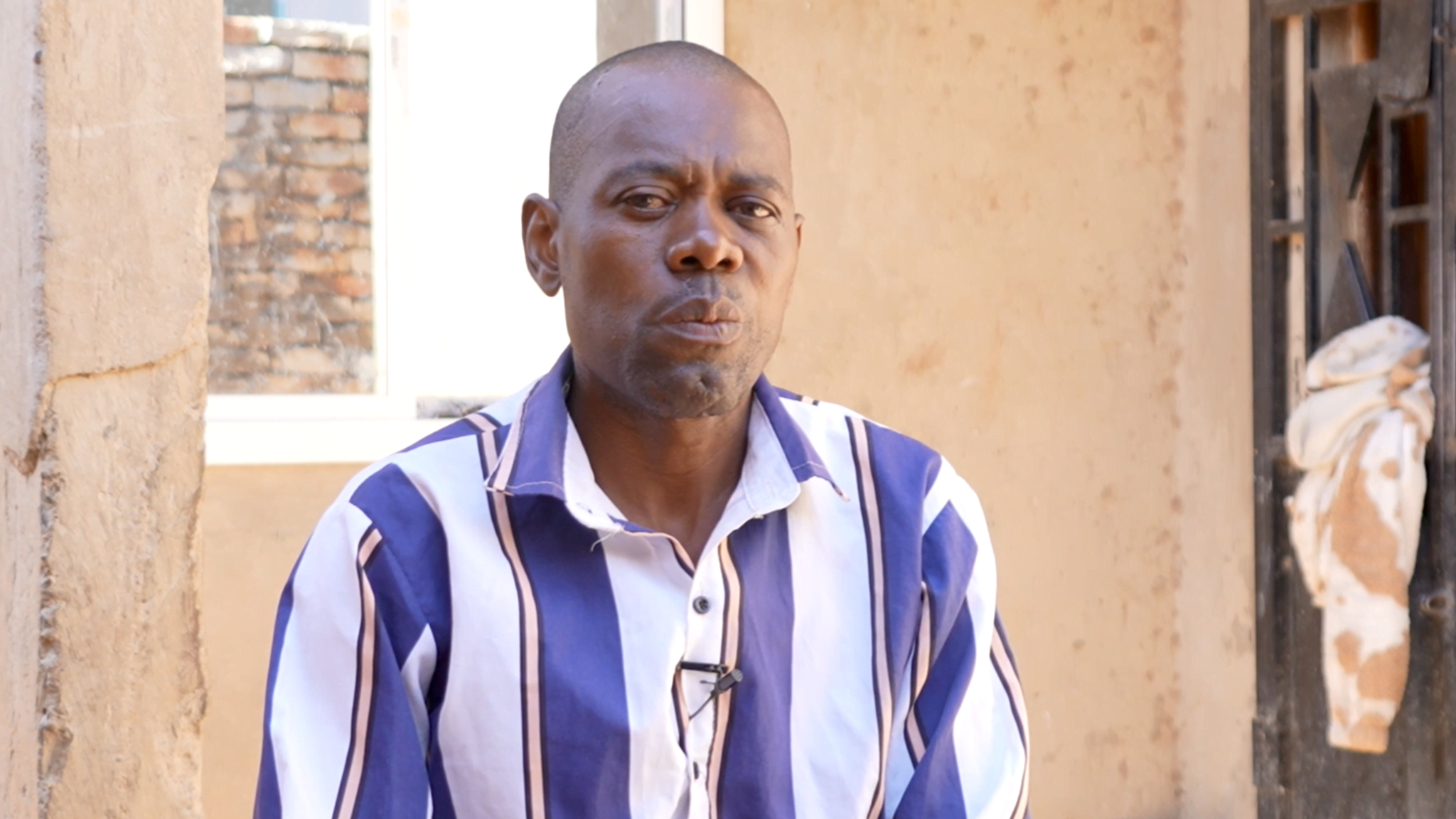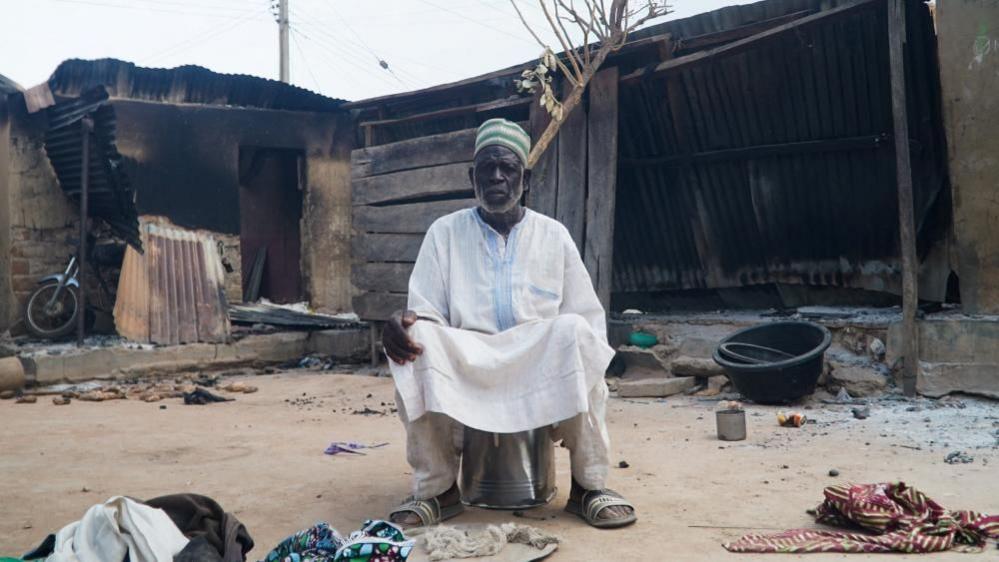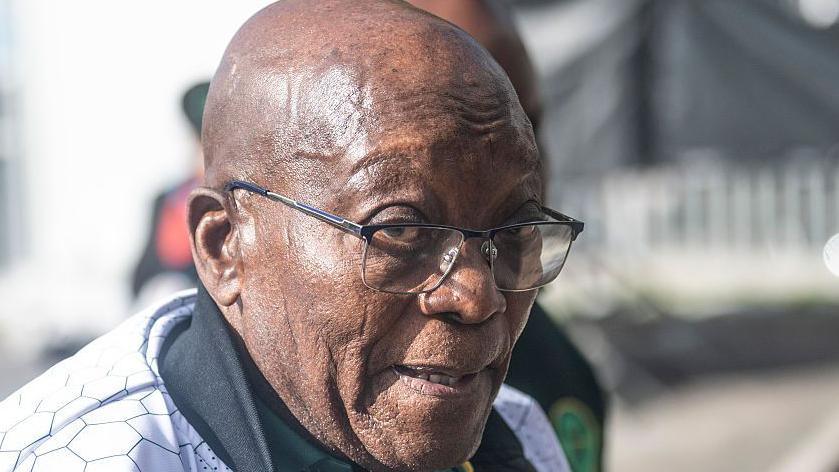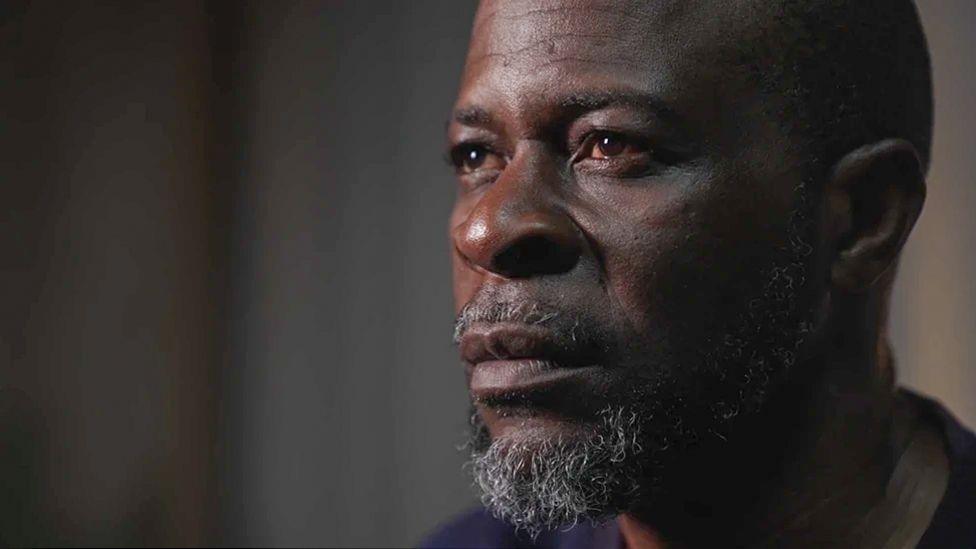
Ray Itoro boarded a repatriation flight to Nigeria in June after weeks of protests and harassment in Johannesburg. He left behind his wife, who had been told to leave by local neighbours, and twin sons, and he described the experience as “like a last helicopter out of a besieged city”. Itoro, 47, built a small business over 15 years, owning a car‑dealership and a home, but he says the escalating anti‑immigrant demonstrations forced him to choose death or exile.
Anti‑immigrant groups in South Africa claim they target undocumented foreigners, but Nigerian authorities report that Nigerians with valid visas are also assaulted. A Nigerian minister said the country has “records of Nigerians with legitimate papers who have been attacked”. Itoro’s passport shows a residence stamp, and he insists he was not illegal.
The protests, which peaked in late June, coincided with high joblessness in South Africa, a factor political agencies point to as a trigger. South African officials underscore the need for “legally‑accredited” migrants and warn that unregistered foreigners are “spoiling our country”.
Itoro currently resides in Lagos. He notes that he and his wife talk daily and remain hopeful for a reunion, saying “I am broken but there is hope, because my wife is going to join me very soon.”
This personal narrative reflects a broader African migration crisis: several countries, including Ghana and Malawi, are arranging transport for their citizens to leave South Africa amid fears of mistrust, discrimination, and violent confrontations.