
In brief
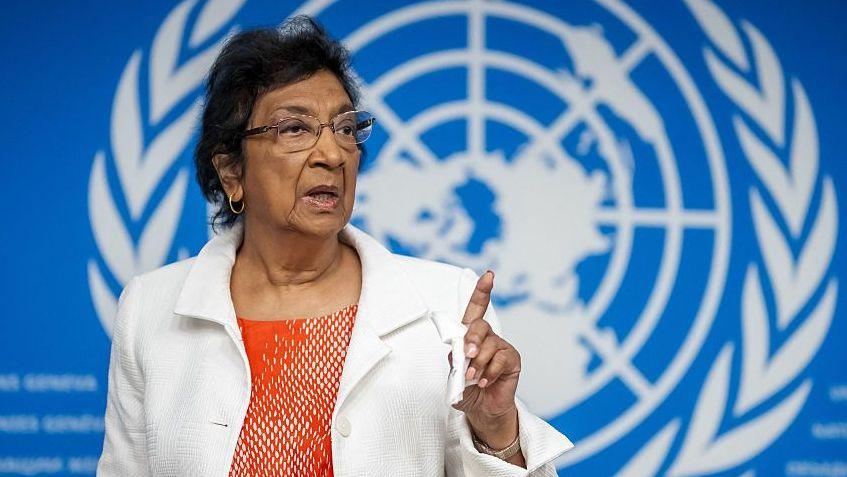
Navi Pillay, the 85‑year‑old laureate of this year’s Nobel Peace Prize, condemned the United States’ decision to impose sweeping sanctions on the International Criminal Court. Trump’s administration, which had criticised Pillay’s award, targets the court’s financial flows, labeling it a threat to "American sovereignty." The ICC and several allies have denounced the sanctions as an assault on the rule of law, while the UN Secretary‑General warned of a global‑justice backlash. Pillay’s remarks, delivered from Oslo by video link, echoed the broader international community’s opposition to the U.S. move.
An 85‑year‑old former judge of the International Criminal Court (ICC), Navi Pillay has blasted Washington’s latest sanctions against the court, calling them "unheard‑of" and a direct assault on the global legal order.
Pillay, who was awarded the prize on Friday for her lifelong work in upholding international law, delivered her comments from Oslo via video link. She said the United States’ new restrictions on the ICC “don’t just hit an institution, they hit the very architects of international justice.”
The sanctions, announced by White‑House officials after President Donald Trump publicly dismissed her nomination, ban U.S. entities from providing services to the court. They also target the financial resources that allow the ICC to operate, effectively crippling its ability to pursue investigations and prosecute war crimes.
The ICC condemned the measures as an "assault on the rule of law" and warned that the move could undermine trust in international institutions. “This is a serious blow to collective pursuit of international criminal justice,” the court’s mission director said.
The United Nations secretary‑general, António Guterres, joined the denunciation, calling the U.S. decision a “serious blow” to the ICC’s mission. Several allies—Canada, Denmark, France, Germany, Italy, Japan and the Netherlands—also voiced their regret and disagreement with the sanctions.
Trump, who earlier called Pillay’s nomination a “disgraceful and embarrassing” event, has openly threatened the court with integers of sanctions, citing a past investigation into U.S. conduct in Afghanistan and an arrest warrant against Israeli Prime Minister Benjamin Netanyahu. Washington alleges that these grievances justify its crackdown, yet the sanctions do not require the cancellation of those warrants.
Pillay, whose career includes defending anti‑apartheid activists in South Africa and dealing with human‑rights cases in Rwanda, Myanmar and Gaza, added a touch of humour to her remarks. She joked that she might share the prize with Trump if he placated her laughter during the press conference.
The ICC’s sanctions highlight a broader contest over the institution’s role in global governance. Critics argue that treating judicial bodies as geopolitical targets erodes the principle of accountability that underpins international peace and security.
As the world watches, the United Nations remains hopeful that diplomatic channels will lead to a resolution that preserves the ICC’s function while addressing legitimate national security concerns.


