
In brief
Netumbo Nandi-Ndaitwah's candidacy marks a pivotal moment in Namibia's political history, setting the stage for a contest between established and emerging political forces.
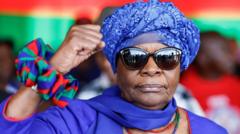
In a historic event for Namibia, the nation has the prospect of electing its first female president as Vice-President Netumbo Nandi-Ndaitwah leads the race under the banner of the ruling party Swapo. Having been an active member since she was just 14 years old, Nandi-Ndaitwah is set to face serious challenges amidst growing public discontent with long-standing political systems, particularly liberation movements that have dominated southern Africa.The 72-year-old Nandi-Ndaitwah has become synonymous with Swapo since its inception after the country gained independence from apartheid South Africa in 1990. If elected, she would join an elite circle of female leaders in Africa alongside Tanzania's Samia Suluhu Hassan. However, Nandi-Ndaitwah's party, while historically dominant for three decades, has recently seen a significant decline in support, highlighted by a troubled economy marked by a 19% unemployment rate and persistent issues of corruption and inequality.Opposing her candidacy is Panduleni Itula, a seasoned challenger representing the Independent Patriots for Change (IPC). The 67-year-old former dentist has emerged as a charismatic figure since returning from an expatriate life in the UK. His detractors argue he exhibits a flashy demeanor that commands attention but lacks substance, while others see him as a fresh face in a system they feel has failed to deliver on economic prosperity.Nandi-Ndaitwah, noted for her diplomatic approach and community-focused leadership, faces both the challenge of reversing Swapo's declining relevance and the traditional gender biases in leadership roles. Meanwhile, Itula's rising popularity among younger voters indicates a shift in preferences, with many seeking substantial economic reform away from the status quo.Political analyst Henning Melber notes that the highly competitive nature of the election may result in an unprecedented second-round runoff, reflecting the ever-changing political landscape of Namibia. The upcoming election is critical, as it could reshape the country’s future direction, particularly regarding youth unemployment, government corruption, and the safeguarding of natural resources.The winner of this election will need to balance reform with the necessity to maintain economic stability without compromising Namibia's valuable natural assets. As voters consider their options, they are tasked with deciding between a candidate with deep ties to the historical struggle for independence and one who represents a desire for innovation and change. This election not only holds the potential to reshape Namibia's political future but also serves as a reminder of the persistent quest for gender equity in leadership across the continent.


