Odesa in Siege: Russian Strikes Drown Ukraine’s Shipping Channels
The word “safe” is offline for Odesa’s port workers and the wider Ukrainian trade network as Russia has stepped up its campaign against the Black Sea’s commercial arteries. In July, 57 missiles and drones struck civilian vessels and port infrastructure, turning the coastline into a hostile front line that is, by all accounts, the most dangerous shipping zone in the world.
A Personal Frontline
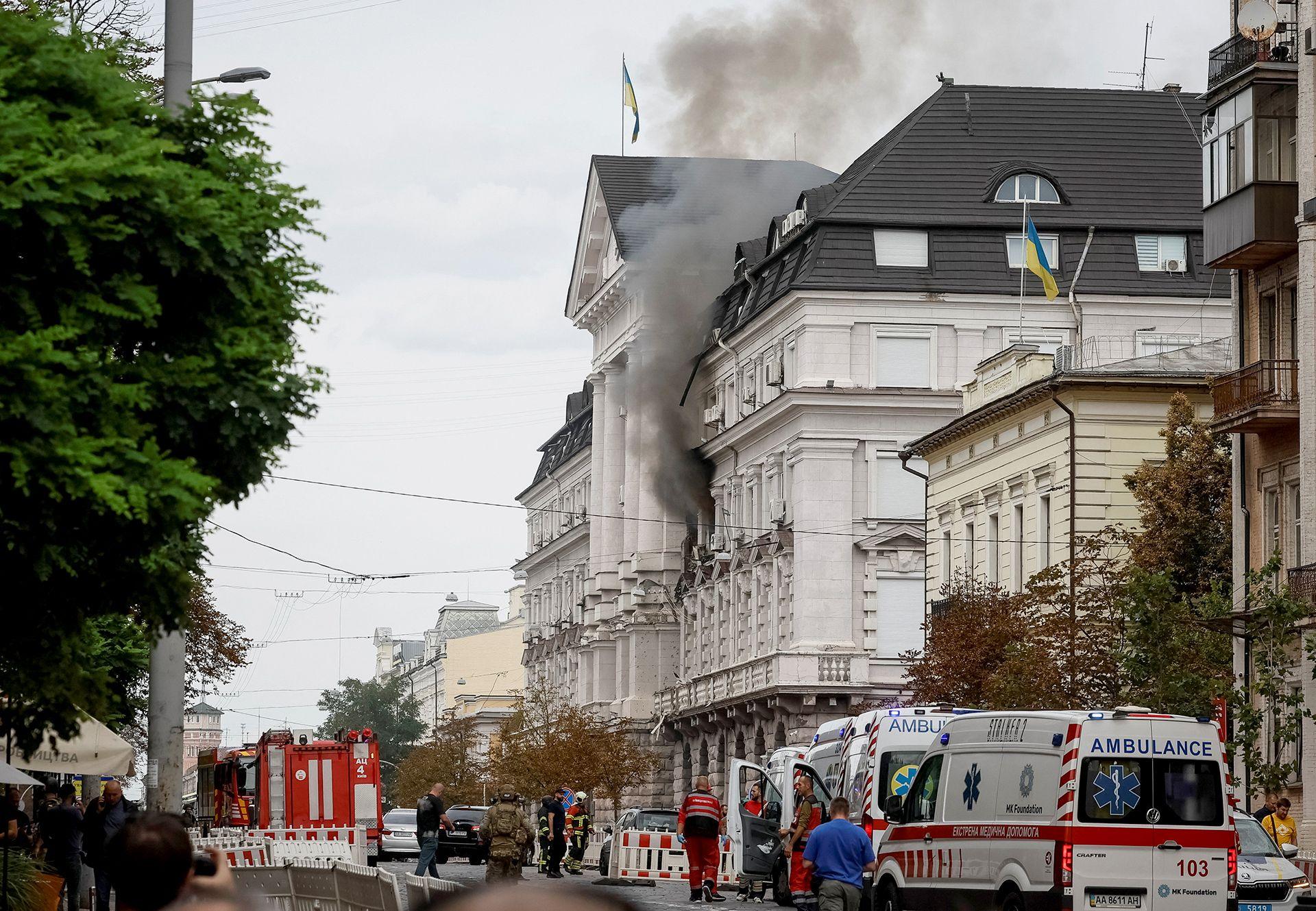
Svitlana Halchenko sits in a white shirt on the wooden deck of Odesa’s main port. She survives a missile strike that blew up the crane that had been her colleague, her partner, for decades. The broken metal ribs of the damaged deck speak of how close the blast was – five metres from where she stood, the crane operator lay dead, while a driver inside the cabin survived the initial burst and then died in the rubble.
Svitlana walks with a limp, shrapnel lodged in her joint, that scars she wears like old medals. Yet she tells reporters, “I have to keep going. I keep the docks running.” Her voice is thin with exhaustion, but the glow of determination is clear – she works in a silence where a few hundred metres of berth sit still, waiting for the return of ships.
The Human Cost
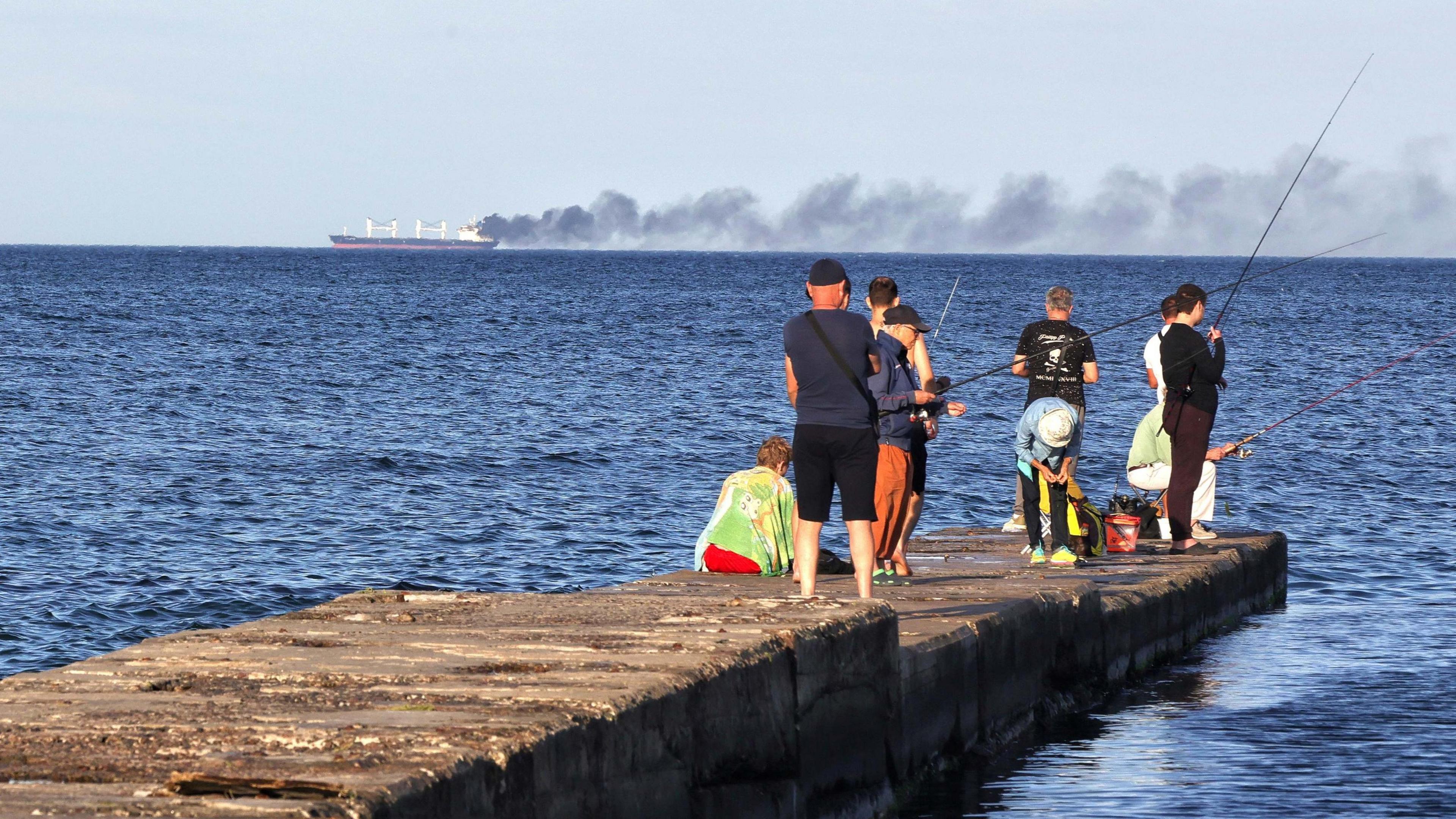
The largest casualty of the campaign was the Turkish‑owned cargo vessel Golden Leo. Three Russian missiles struck the ship on 19 July, killing nine Indian and Syrian crew members and a Ukrainian pilot. The vessel, carrying Ukrainian corn, sank a week later, taking a vital grain shipment with it.
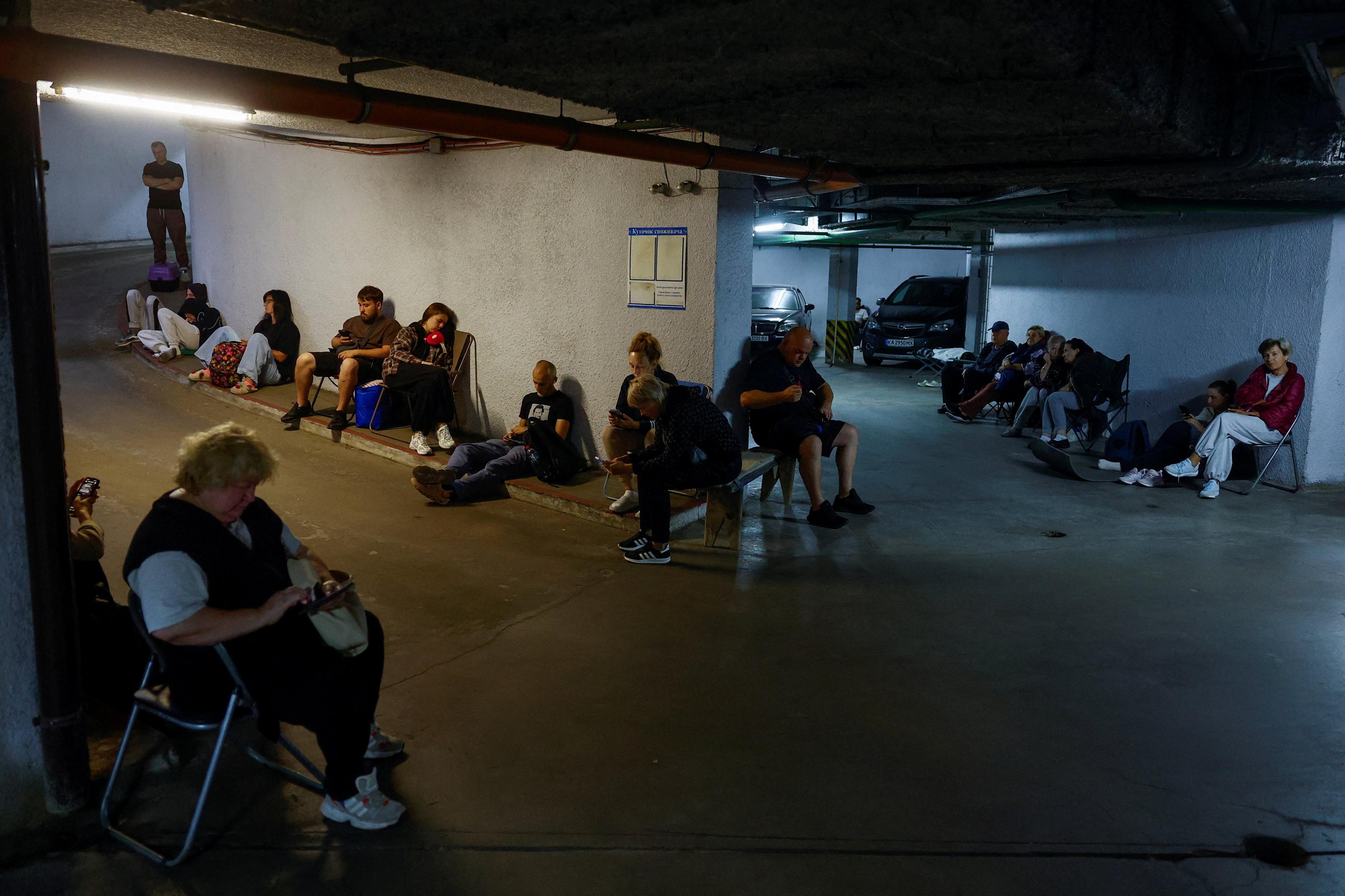
‘In the last week we have watched the transport cables grow thinner. In the docks there is barely any movement – a skeleton crew is working for maintenance only.’ Admiralty officials and regional Union heads claim that the speed of the attacks – “a missile flies from Crimea within a minute” – has confined workers to a time limit of 3‑½ minutes to escape into a shelter. The result is a constant adrenaline‑driven state that shifts the port from operational to emergency each time the alarms go off.
Impact on Grain Exports and Global Supply Chains
Ukraine, before the invasion, accounted for around 6 % of global wheat exports and 10 % of corn exports. Stats from the last year put Odesa’s Greater Port cluster at 73 million tonnes of maritime output – 38 million tonnes of grain alone. Since the escalation of the Black Sea attacks, “the port’s export capacity has dropped by at least a third,” say industry insiders, and traders already estimate that half a million metric tons of grain and oilseeds will be lost in summer sales.
Volodymyr Slavinskyi, a trading director for the major grain exporter Nibulon, stresses that “the grain harvest is at its peak. Farmers cannot afford to lose their crop. We need immediate markets.” With shipping halted, wheat hauling to global ports is suspended, and it becomes impossible to reinvest harvest proceeds into the next planting cycle.
A Wider Conflict for Civilian Lives
While the cargo lanes lie ghost‑quiet, civilians near the coast are experiencing the war’s fallout in everyday settings. In a viral video, a swimmer on a Black Sea beach removed the wreckage of a Russian drone as the crowd watched. That same day, an intercepted Ukrainian drone crashed onto a busy beach, killing seven people, three of whom were children. In the same neighborhood, an 83‑year‑old man, Andrii Dudik, survived a drone strike that shattered his routine afternoon nap; he laughed about the accident, saying, “I was lying there, wondering what I was going to do this afternoon. Now I know.” These incident sites spread the war’s reach into communities that otherwise seemed peaceful.
The port’s authorities admit that a “systematic” attack has forced the port to stop operating for at least 15 of every 24 hours. Although there is no legal prohibition on foreign vessels arriving, the risk of boarding, or being intercepted by the coast guard, now outweighs the few economic benefits that a port could bring even as a neutral haven.
Backlot of an Uncertain Future
Russia’s counter‑offensive comes after Kyiv’s successful attacks on Russian shipping – drilling for oil, and re‑fleeting cargo to the occupied Crimea – and a controlled strategy that appears to cut off Ukraine’s grain exports. The resulting economic strangulation does, the article notes, “mean Ukraine loses a crucial buffer in global markets.” Yet, as Odesa’s docks stay shut, Ukraine’s economy feels the stinging blow on its grain export revenue. The port’s downtime now translates into concrete losses on a scale that extends beyond Ukraine, threatening to upset global food security.
When the war’s scope grows, the lines between frontline and civilian areas blur even further. The Black Sea remains a lifeline for the country, but it also represents a battlefield where ground acts of violence spill into the coastal community. With fewer ships, fewer crops, and empty berths, the people of Odesa, and the global markets they are tied to, remain on the brink.