Oman, Iran Seek Shipping Deal as Strait of Hormuz Remains Blocked
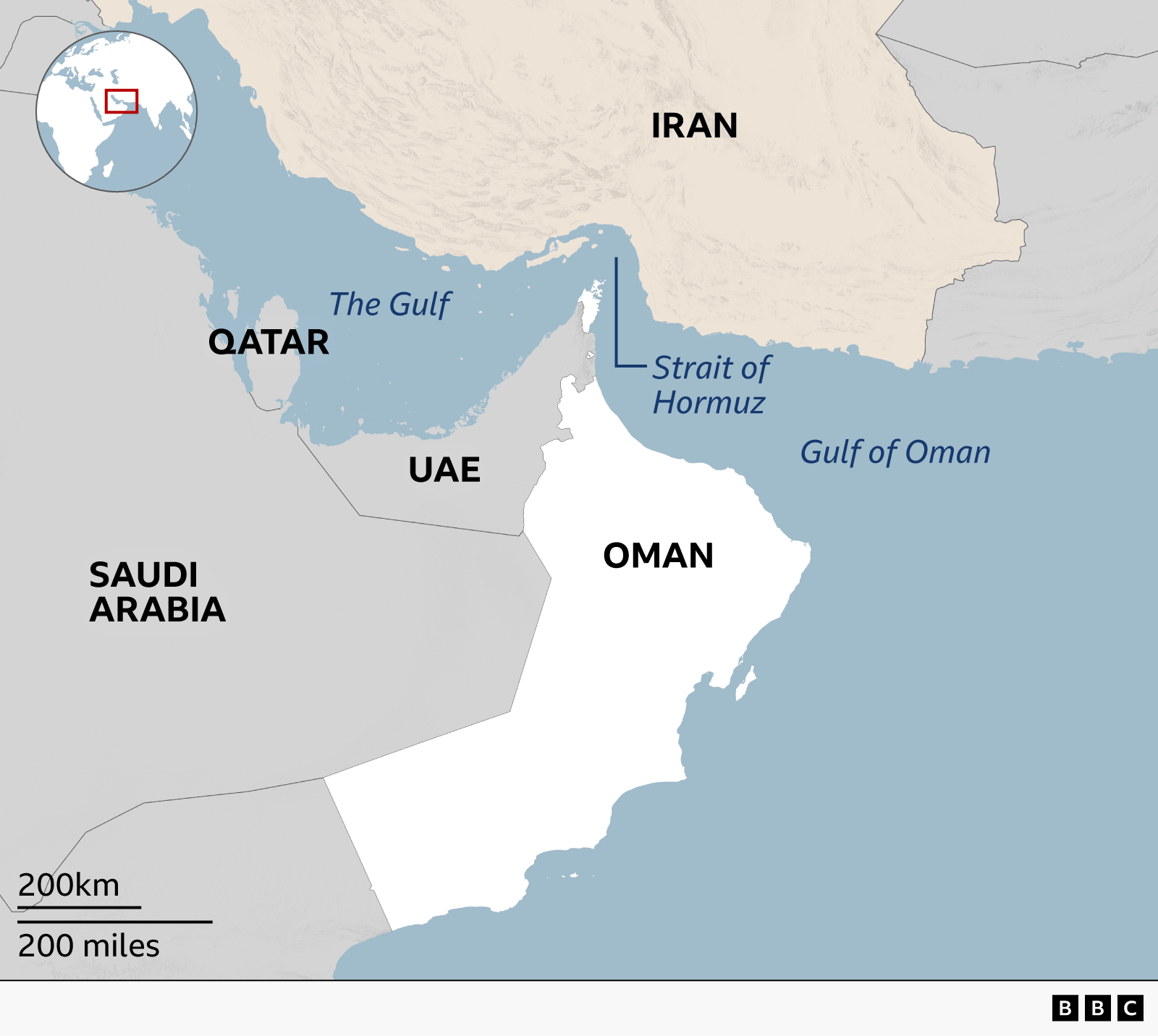
Oman has announced that talks with Iran are moving forward in hopes of securing a new, joint‑controlled shipping route through the Strait of Hormuz, though Tehran insists the waterway will not reopen immediately. Despite the progress, the timeline for any deal remains uncertain.
Iran’s foreign minister Abbas Araghchi said the discussions are in their final stages but a full return to traffic depends on “other conditions.” He highlighted the need for the U.S. to compensate Iran for perceived violations of a June Memorandum of Understanding designed to halt fighting and restart war‑end talks.
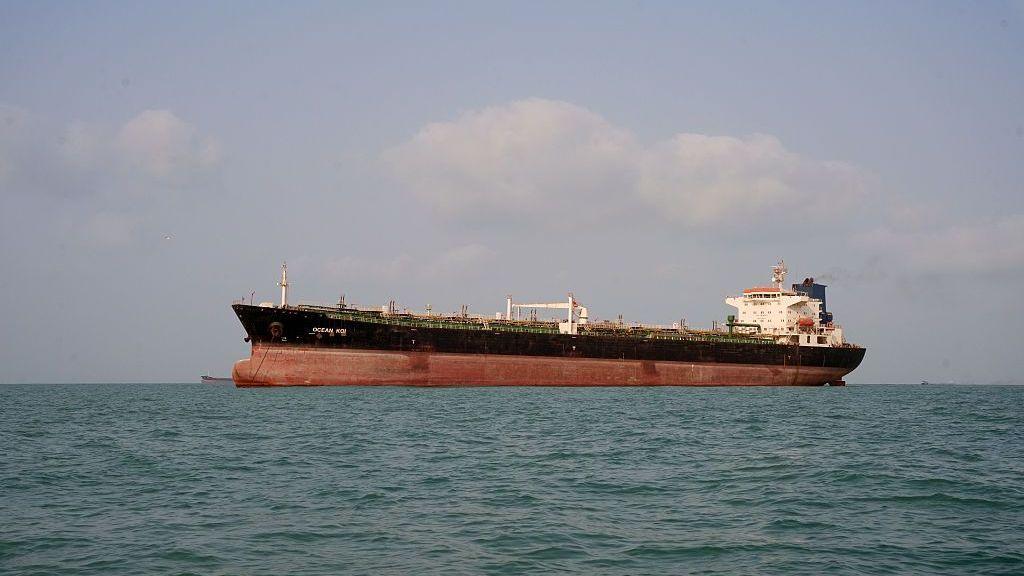
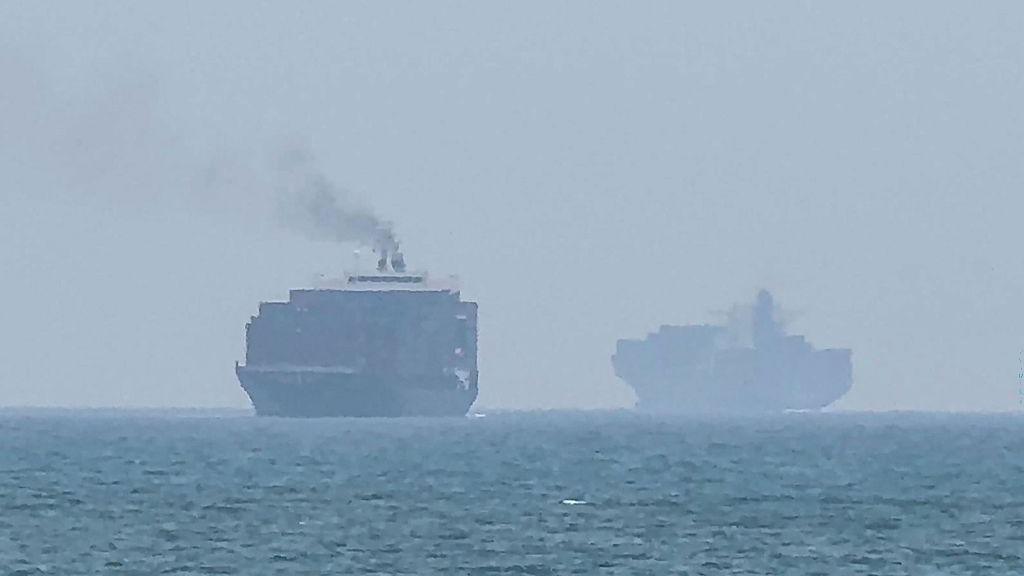
The Strait, which handles about a fifth of global oil and natural gas shipments, has been effectively closed by Tehran after U.S. and Israeli forces began attacking it in February. The closure has escalated regional tensions, with reports of missile strikes on allied vessels in recent days.
Iran’s security chief, Mohammad Baqer Zolqadr, warned that the strait would remain closed until the U.S. “corrects” its behavior, listing six demands: halting threats, removing U.S. naval blockades, releasing frozen assets, among others. These demands echo broader U.S. pressure on Iran amid ongoing sanctions and military operations.
In related developments, the U.S. Vice‑President JD Vance stated that although progress was being made, the deal was not yet final and that a “traffic scheme” must be set up to allow vessels to pass safely. He denied reports of Iran planning tolls for passage through the strait.
Meanwhile, the United Arab Emirates reported a missile strike on an Adnoc tanker in the strait, while the UK Maritime Trade Operations agency reported a projectile strike near Oman that caused a fire but no casualties. The incidents underscore the fragile security dynamics surrounding the Hormuz passage.