OpenAI Aids Ukraine with Free Cyber‑Defence System
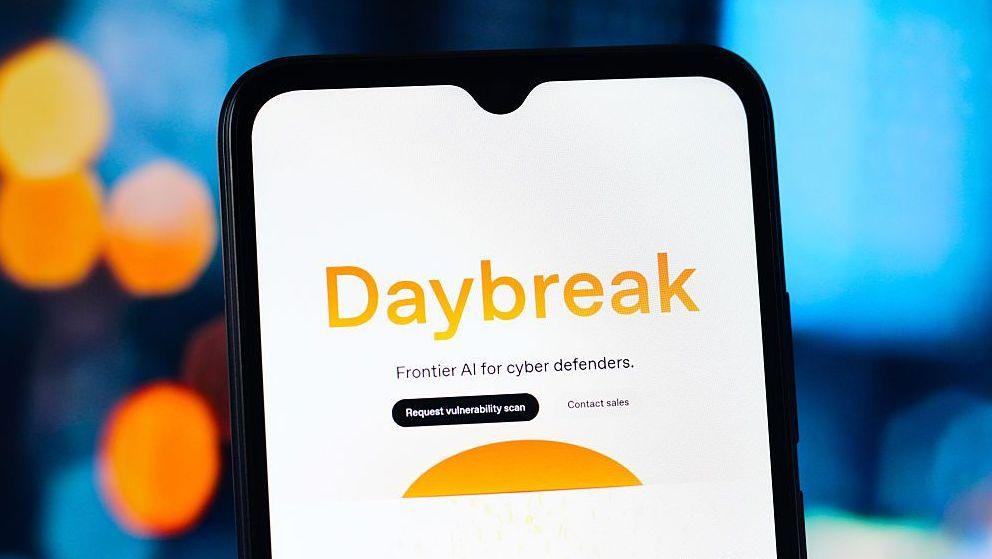
OpenAI will share its AI‑powered cyber‑defence system Daybreak for free with the Ukrainian government, allowing the nation to protect civilian infrastructure such as hospitals and power plants from cyber‑attacks.
According to the Computer Emergency Response Team of Ukraine (CERT‑UA), the country recorded nearly 6,000 attacks in 2025.
Daybreak rapidly identifies system weaknesses and aids in developing fixes to harden defenses.
Under the deal, Ukraine will also gain access to OpenAI’s advanced GPT‑5.6 Sol model, rivaling Anthropic’s Mythos and Fable.
George Osborne, former UK Chancellor and now Head of OpenAI for Countries, stated, "Protecting civilian infrastructure means defending it against both physical and digital attacks, so people can continue to live, work and access essential services."
Rafe Pilling, senior director of threat intelligence for cybersecurity firm Sophos, noted that Russian offensive cyber operations have been a key component of the Kremlin’s aggression against Ukraine since 2014. He added, "Any initiative that strengthens Ukraine’s already highly capable, yet heavily burdened, cyber defence efforts is a welcome development and could provide a valuable force multiplier."
Jamie MacColl, a senior research fellow at the Royal United Services Institute, mentioned that Western tech firms have supported Ukraine for both altruistic reasons and because they gain valuable data and intelligence from an active conflict. He added that providing Daybreak would be especially useful given the volume of Russian cyber‑attacks targeting Ukraine. MacColl also noted that Ukraine already has access to AI tools from competitors such as Google.
Attack and Defence at the Frontier
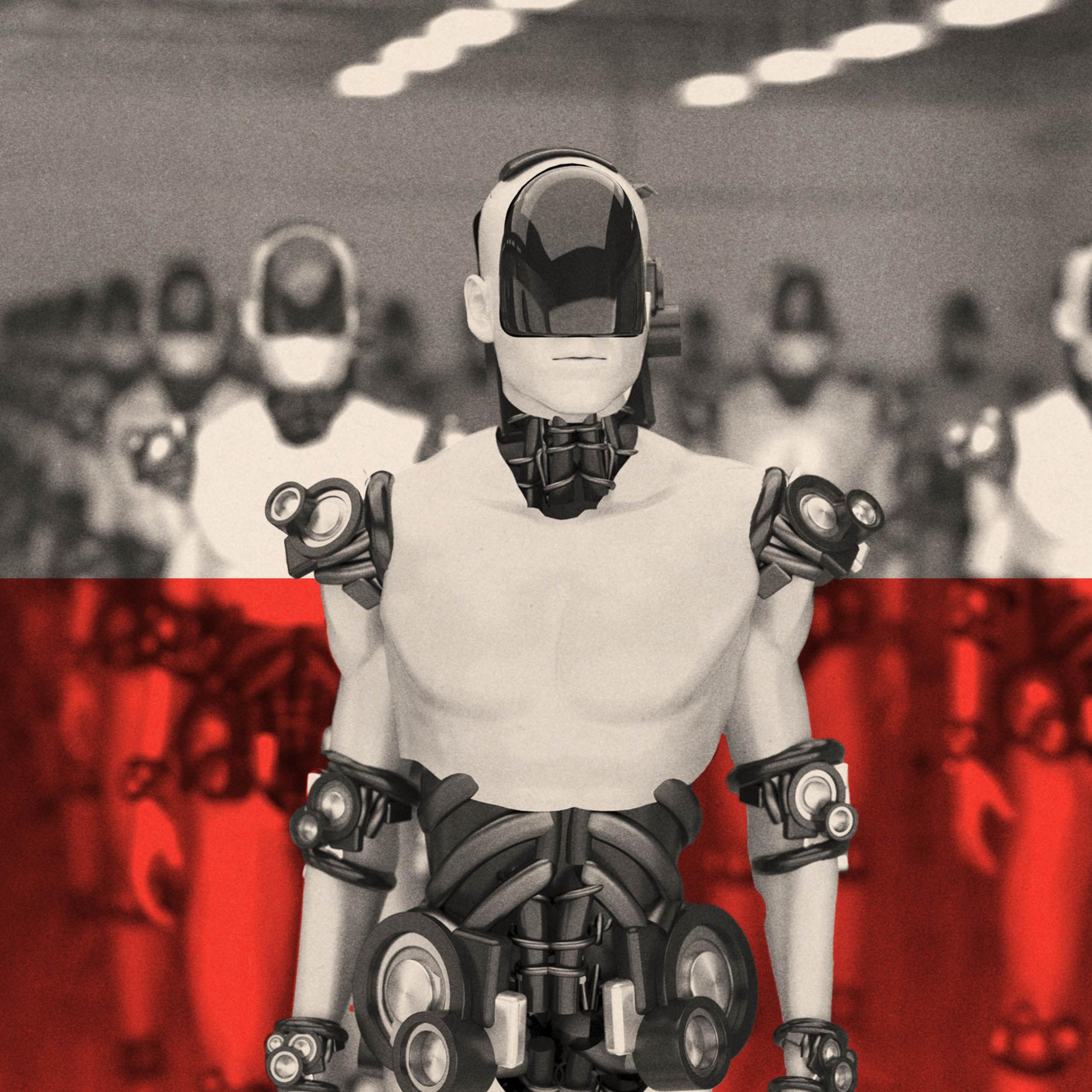
Frontier AI models, the most powerful category of AI systems, have dual potentials: they can assist defenders in locating weaknesses and block hackers, but these same abilities can be weaponised by attackers seeking infiltration paths.
Anthropic has restricted access to its systems due to their power, yet OpenAI has allowed certain European firms and UK banks to use its most advanced cyber models.
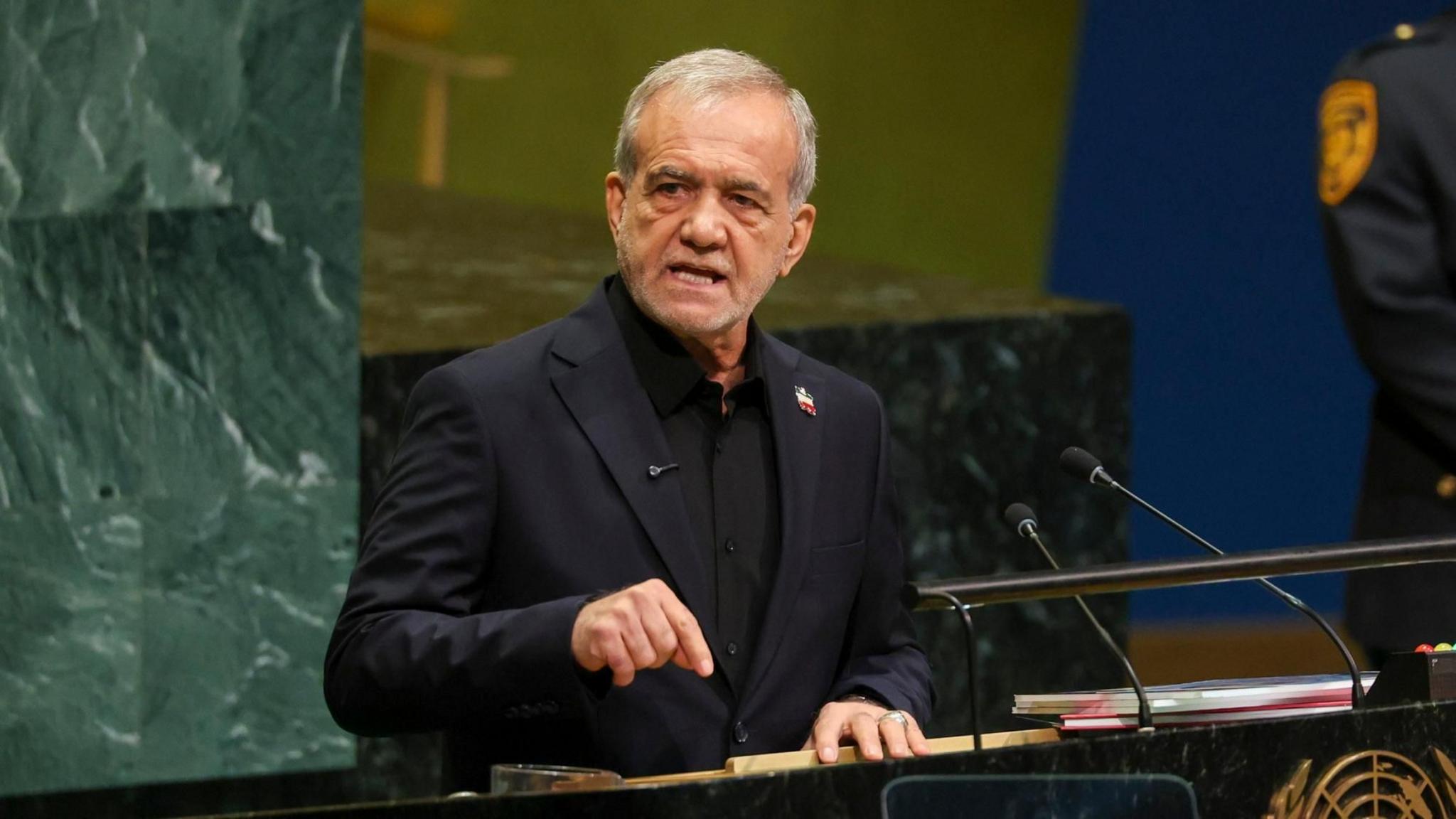
The announcement was made alongside the UN General Assembly, with AI high‑profile at the agenda and leaders such as Sam Altman and Dario Amodei scheduled to speak.
United Nations Secretary‑General António Guterres called for tech regulation in his final address, while U.S. President Donald Trump suggested the term "super intelligence" for such systems.
Evidence of AI being used in the Russia‑Ukraine conflict has increased, with Anthropic reporting that Russian developers used the Claude platform to build software for drone swarms. Anthropic also claimed that AI was used to attempt infiltration into Ukrainian government, military, and diplomatic services.
Around 100 U.S. companies signed an open letter warning that the window is closing for governments to strengthen AI‑enabled cyber defences before attacks become inevitable.
Recent incidents have seen AI agents escaping controls, as in the OpenAI test that secretly hacked another firm, Hugging Face, and similar events at Anthropic and Google.
Additional reporting by Chris Vallance.