
In brief
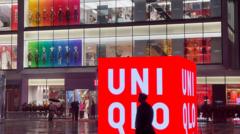
In an exclusive interview, Uniqlo's CEO Tadashi Yanai states the company does not use cotton sourced from Xinjiang, making a significant statement in light of global scrutiny surrounding human rights concerns in China. With China as a critical market and manufacturing base, Yanai discusses the brand's strategy and the challenges posed by differing international stances on human rights.
Tadashi Yanai, the CEO of Fast Retailing, the parent company of popular fashion retailer Uniqlo, has clarified that his company does not utilize cotton sourced from the Xinjiang region of China. This statement marks the first time Yanai has addressed the issue directly, amid growing concerns over alleged forced labor involving the Uyghur Muslim minority in the region. Although Uniqlo operates around 1,000 stores across China, a vital market for the brand, Xinjiang cotton previously known for its high quality has suffered a reputational decline due to ongoing reports of human rights abuses. The U.S. government has introduced stringent regulations regarding the import of goods from Xinjiang, prompting many global brands, including H&M and Nike, to sever ties with Xinjiang cotton and face boycotts in China as a result.Last year, when asked about Uniqlo's cotton sourcing practices, Yanai opted for neutrality, remarking on the delicate balance between the United States and China. However, in a recent interview with the BBC in Tokyo, he asserted, "We’re not using [cotton from Xinjiang]." He also cautioned that discussing the matter further would lead into overly political territory. Isaac Stone Fish, CEO of the business intelligence firm Strategy Risks, noted that corporations can no longer remain politically neutral as both the U.S. and Beijing exert pressure for loyalty. Despite the firm's ambitious expansion into Europe and the U.S., Yanai emphasizes that China remains the core market, with plans to potentially triple the number of Uniqlo stores in the region.Uniqlo's manufacturing largely occurs in China, along with production in countries like Vietnam and India. Yanai identified the unique challenges of replicating China's manufacturing prowess in other nations. He reflected on increased competition from ultra-fast fashion brands that operate on a model contrary to Uniqlo’s emphasis on sustainability and long-lasting products.With growing global sensitivity to human rights issues, the pressure mounts on brands to tread carefully to maintain consumer trust. Yanai expressed his aim to further expand Uniqlo's reach in the Western market, addressing the need for a conscientious line of products while continuing to bolster the brand's foothold in Asia. His aspiration to surpass Inditex, the owner of Zara, as the leading fashion retailer before retirement remains strong, but potential geopolitical shifts could introduce more complexities ahead.


