
In brief
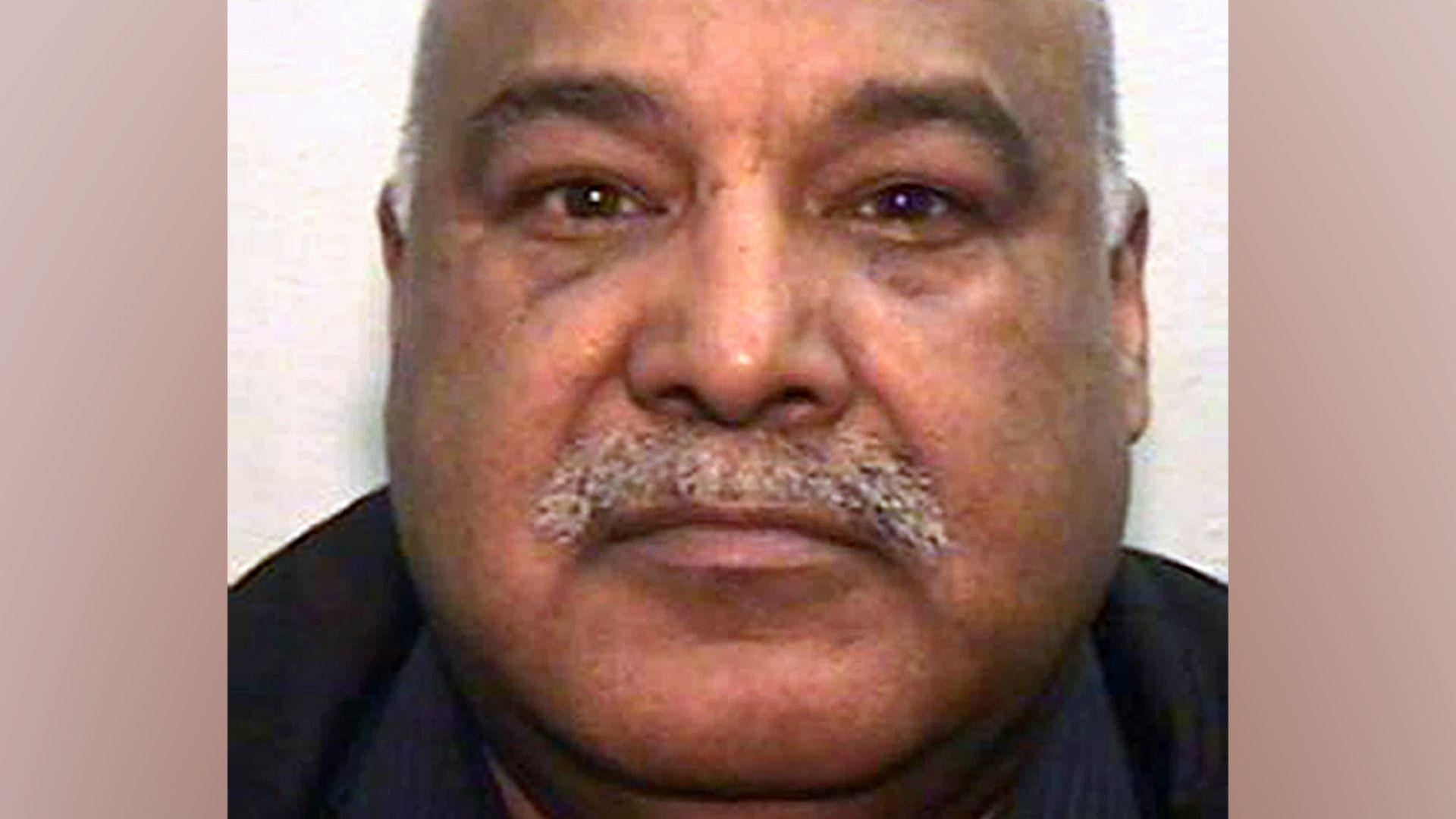
A UK government has sought to deport Shabir Ahmed, a convicted grooming gang ringleader, but Pakistan’s foreign ministry has refused to cooperate. The dispute hinges on the 1971 Immigration Act, which bars removal of certain long‑term Commonwealth residents, a protection the UK now aims to amend for serious offenders. Ahmed’s release on licence after a 22‑year sentence has raised concerns among victims and political figures alike. The debate underscores the tension between domestic legal frameworks and international accountability for heinous crimes.
The UK government has advanced a request to deport Shabir Ahmed—once the head of a notorious grooming gang in Rochdale—yet Pakistan has denied any cooperation, citing national sovereignty and existing immigration safeguards.
Ahmed, who holds dual British‑Pakistani citizenship, was convicted in 2012 of multiple rapes and sexual offences against girls as young as 13. Following a 22‑year sentence, he was released on licence in July, a move that has spurred public outcry.
The heart of the legal dispute lies in the Immigration Act of 1971, which exempts many long‑term Commonwealth residents—particularly those who arrived before 1973—from deportation if they have lived in the UK for five years. The UK Home Office is now proposing an amendment that would remove this protection for serious criminals like Ahmed, aligning deportation rules with citizenship loss regulations.
Pakistan’s Foreign Minister, Tahir Andrabi, insisted that the matter is an “internal issue of the United Kingdom” and that the Pakistani government has no influence over Ahmed’s legal status. He emphasised that responsibility for Ahmed’s “release or subsequent treatment” rests solely with UK authorities.
The case has drawn voices from across the political spectrum. Former politician Andy Burnham, who is set to succeed Sir Keir Starmer as prime minister next, described Ahmed as a “vile criminal” who should be deported. Victims of the gang, meanwhile, have expressed fear and a sense of vulnerability following Ahmed’s community licence.
Further details on the proposed legal amendment and the UK‑Pakistan negotiations can be found here.

