
In brief
Mohammed al‑Wahidi, a 65‑year‑old senior official of the Egyptian Relief Committee, was killed when an Israeli missile struck his taxi in the Sabra neighbourhood of Gaza City. The strike also killed three civilians, including two young brothers. Al‑Wahidi was renowned for personally distributing aid and organising public World Cup film screenings that gave displaced families a moment of respite. His death has become a symbol of the continued threat to humanitarian workers and underscores the broader human cost of the Israel‑Gaza conflict.
On Tuesday the Israeli military struck a taxi in the Sabra neighbourhood of Gaza City, killing 65‑year‑old Mohammed al‑Wahidi and three civilians, including eight‑ and ten‑year‑old brothers. Al‑Wahidi was a senior official with the Egyptian Relief Committee, an organisation pivotal in delivering food, medical aid and establishing camps for displaced families.
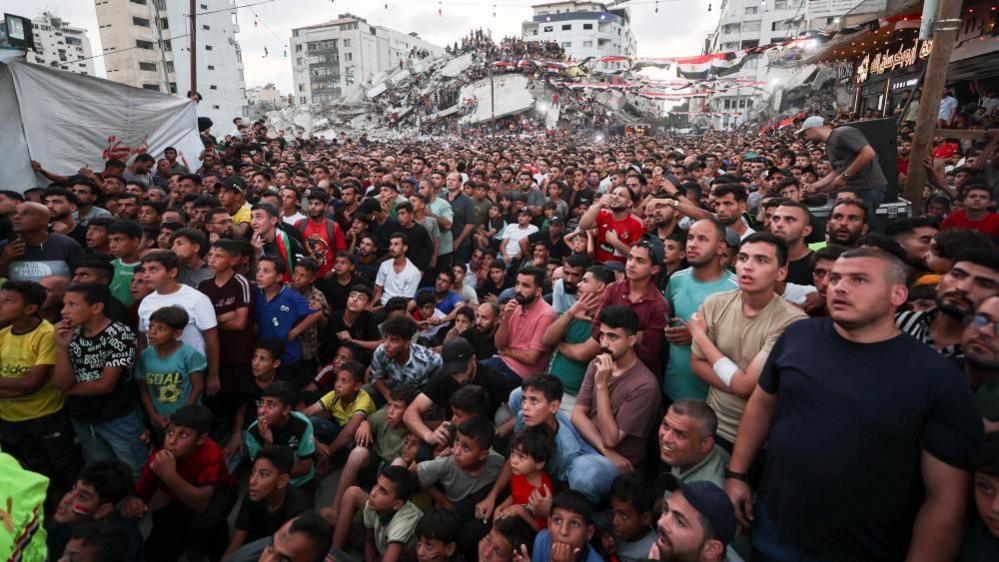
He was widely known for spending the majority of his time in the field, visiting aid distribution points, talking to families and, in recent weeks, organising public screenings of World Cup matches across Gaza. The match against Argentina — a game that drew a large crowd in the city – was scheduled to begin just hours after he was killed.
The Israeli army said it struck a Hamas operative, but it confirmed that unarmed civilians were also killed. Al‑Wahidi’s death has reminded the world of the risk to humanitarian workers. The United Nations reports that at least 593 aid workers have been killed in Gaza since the war began, including eight after a ceasefire was agreed ten months ago.
Activist Mohammed Hmeid, who documented al‑Wahidi’s work, said “He was a door to hope that opened every day for displaced people.” He added, “Good deeds cannot be killed. They live on in the hearts of the people.”
Al‑Wahidi’s funeral was attended by grieving Palestinians, who laid an Iranian flag over his coffin, a symbol of solidarity and mourning. His legacy lives on in the continued struggle for humanitarian access and the enduring spirit of a community that has watched the world’s football match as a brief escape from conflict.


