Panama Canal to Reduce Vessel Throughput Amid El Niño‑Triggered Drought
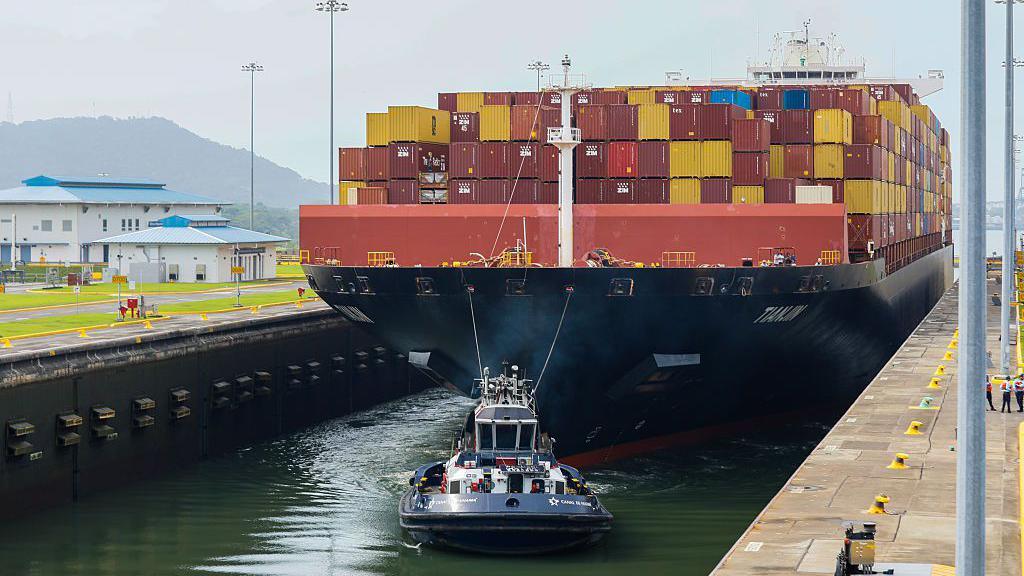
In response to a severe drought linked to a powerful El Niño year, the Panama Canal Authority (ACP) announced a temporary cutback in the number of vessels that can transit the waterway. Between September 15 and the winter season, the daily passing quota will drop from 36 to 32 ships.
El Niño, a natural climate pattern that raises sea surface temperatures, is expected to be the strongest in living memory this year, intensifying the region’s already low rainfall. The canal’s aqueduct system has faced significant stress, especially during the 2023 drought when October proved the driest month since the canal’s opening in 1950.
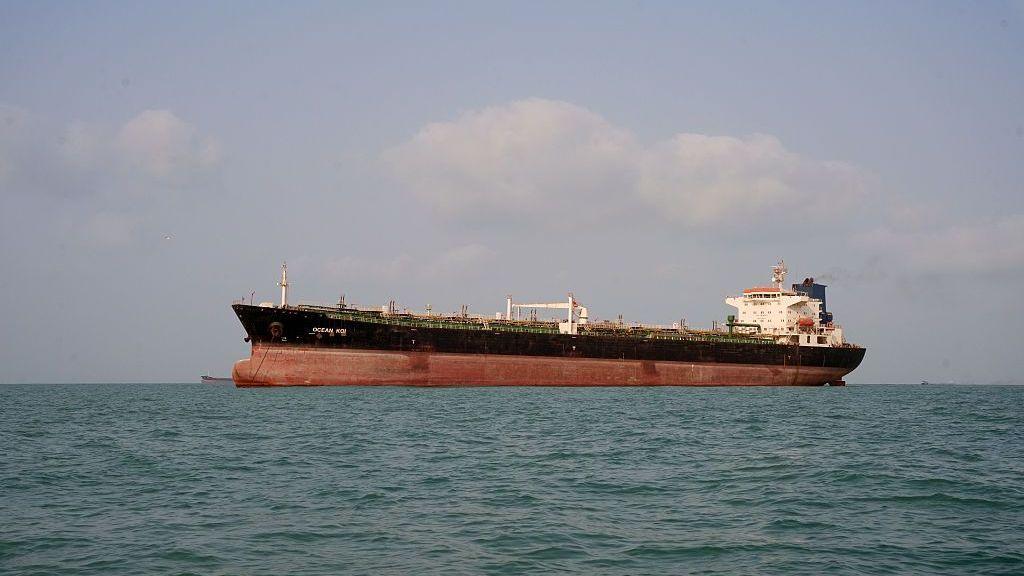
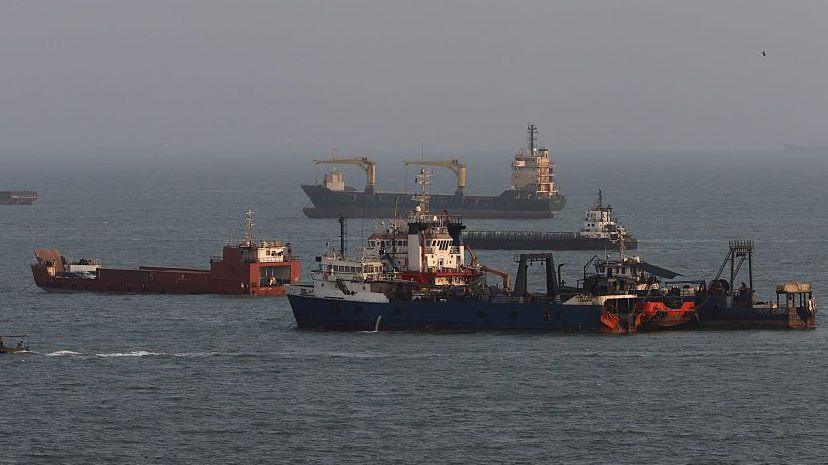
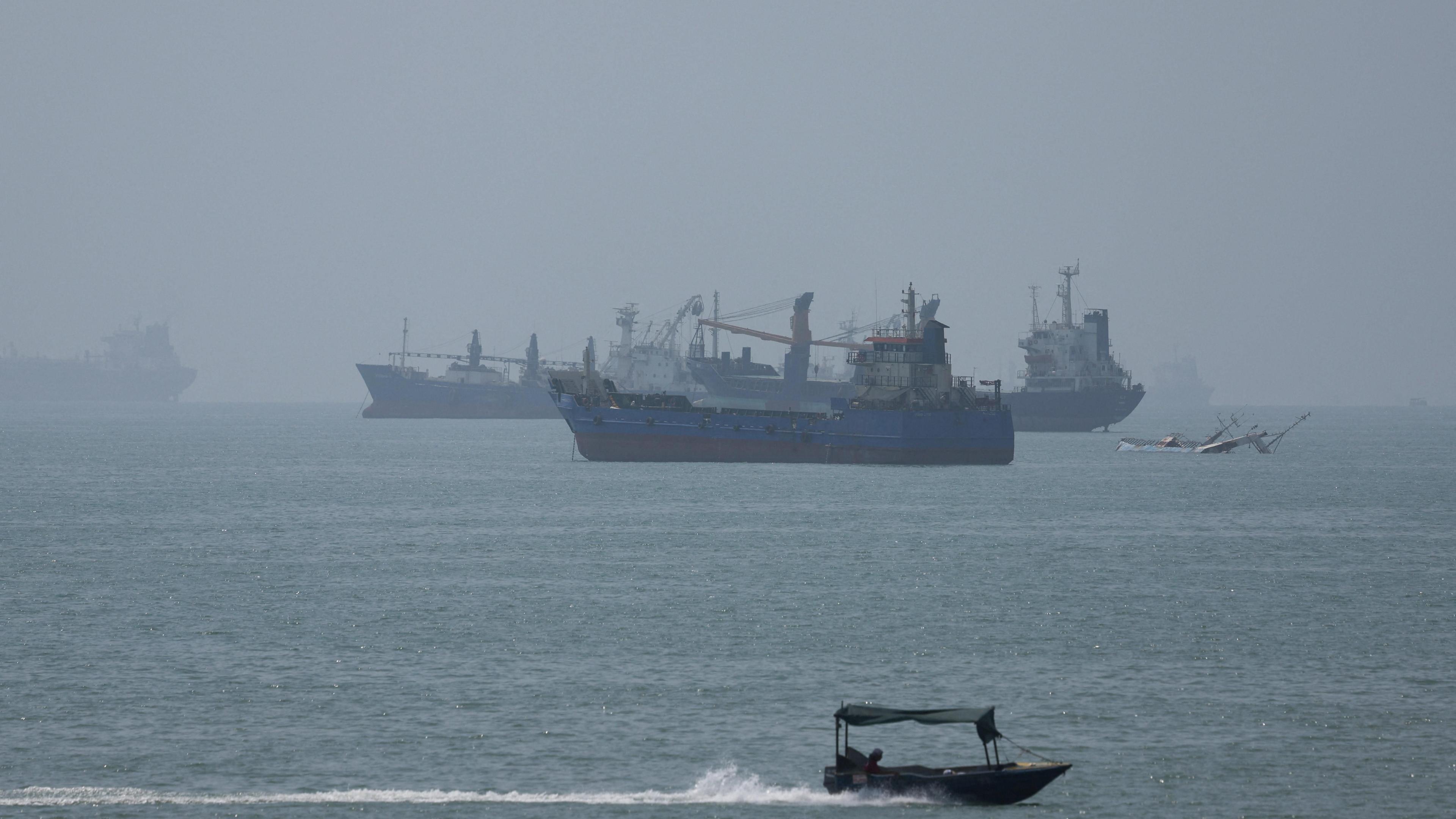
Maritime firms have already sensed the ripple effects of the conflict in Iran, which sharply reduced shipping through the Strait of Hormuz. The ACP’s new measures aim to preserve the reliability of the canal and safeguard water supplies used by Panama’s population.
Water‑saving protocols are already in place for the canal, but the authority says the ongoing phase‑in from September 3 to the planned full implementation on September 15 will be necessary to support the long‑term sustainability of operations. This precedent follows the 2023 reduction of throughput that year when a 12‑month El Niño event triggered similar water‑reduction actions.
The canal, which carries around 14,000 ships each year, provides the world’s shipping fleets with a vital shortcut between the Atlantic and Pacific oceans. Its operation accounts for roughly $3 bn in revenue for Panama by 2026, according to the ACP’s latest figures.
While the decrease might appear modest, the implications ripple through global supply chains, affecting shipping costs, trade lead times, and overall market dynamics. Experts urge the international community to recognize the canal’s critical role and the potential cascading effects of a strong El Niño event on oceans worldwide.