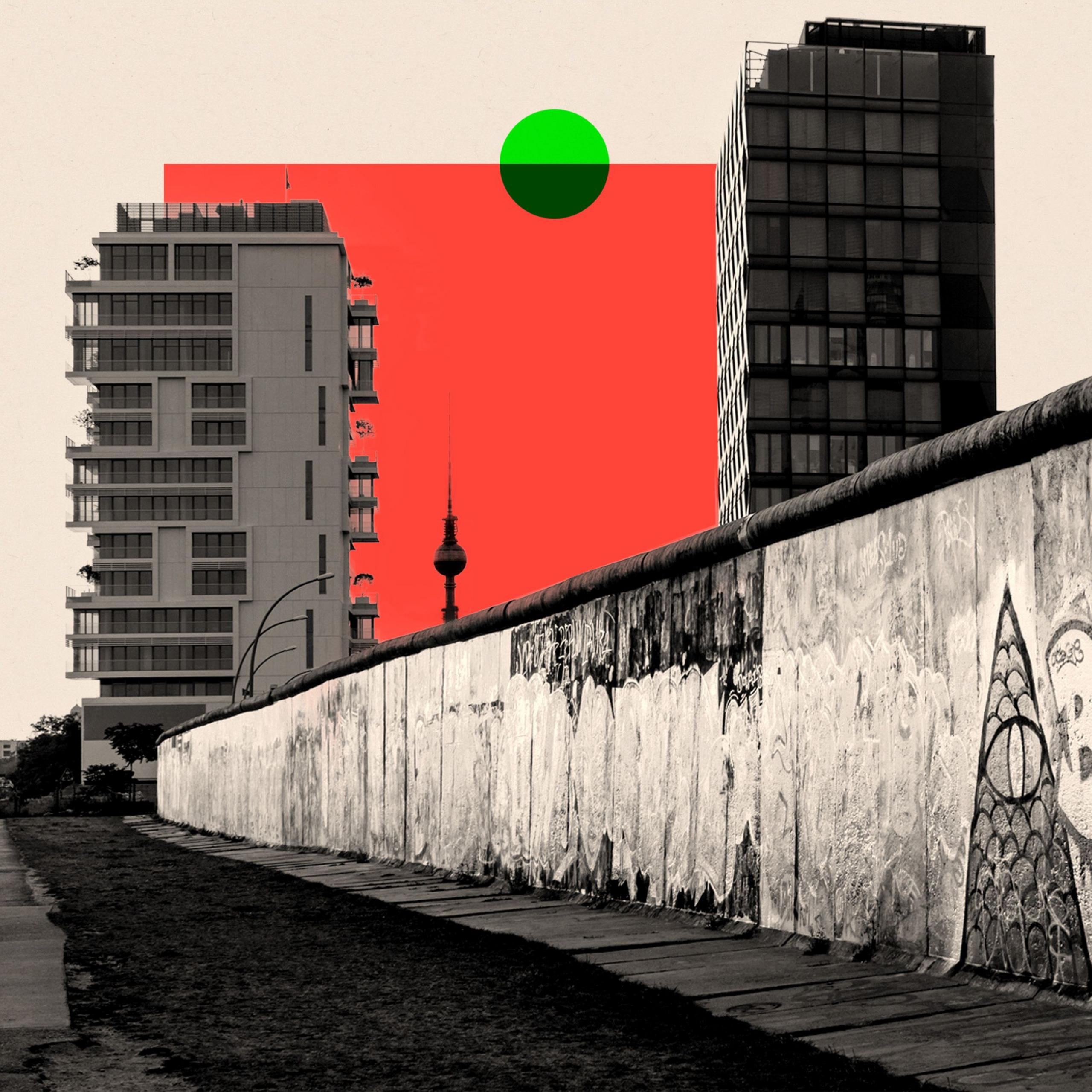
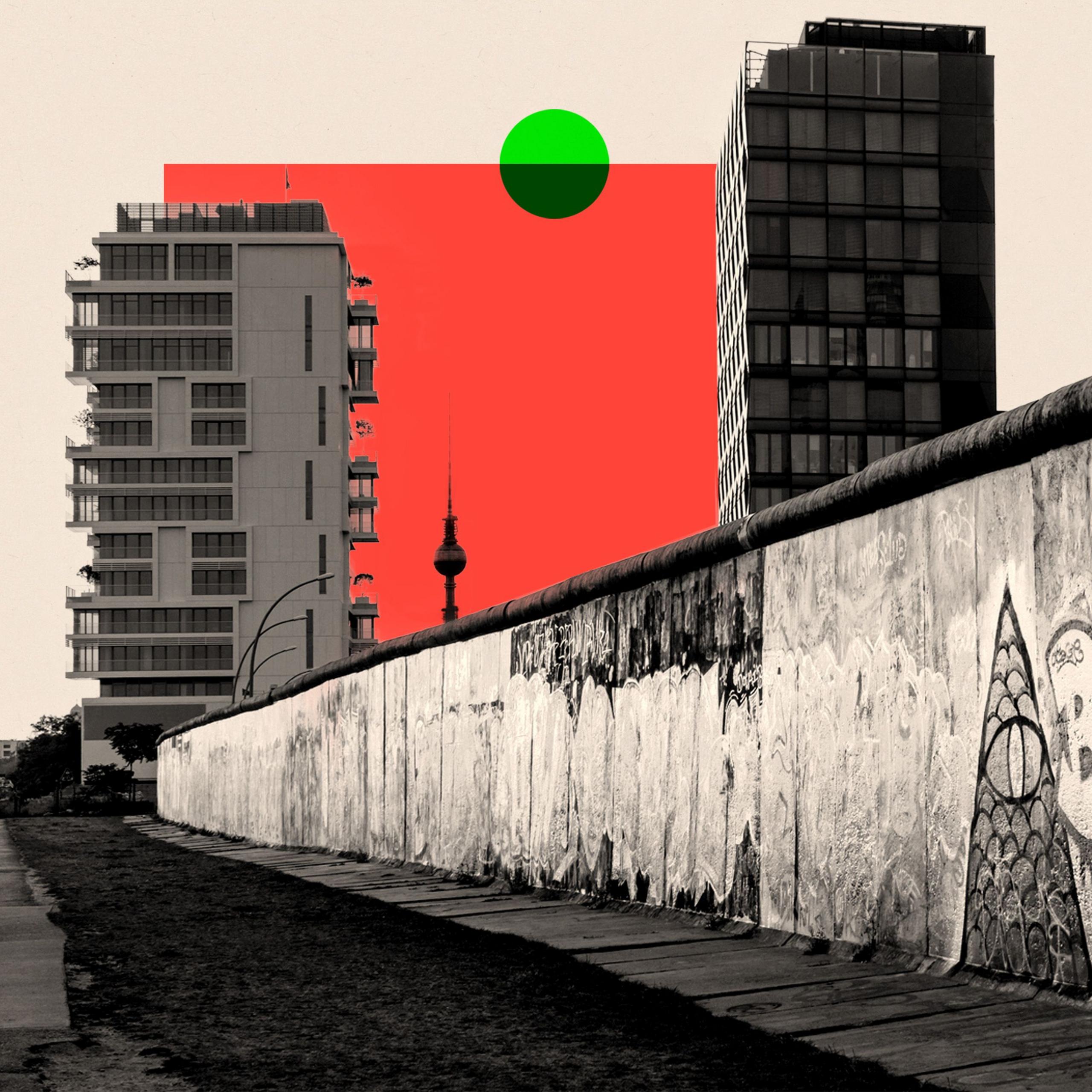
In the years after the Berlin Wall fell, the eastern part of Germany – the former German Democratic Republic – was expected to thrive as the nation reunited. Instead, the area has been beset by a long‑running population decline, with six of the ten states that formed the former East shrinking by 16% since 1990, the most affected state, Saxony‑Anhalt, losing 26% of its residents.
Many former state-owned factories shut down or were scaled back, leaving thousands without jobs and driving a wave of migration to the west where the economy was stronger. The exodus continued in waves: the first lot of young, highly educated workers left shortly after reunification, and a second group headed west in the early 2000s. Women, who had been marginalised in the socialist economy, were particularly eager to move for better employment prospects, further dampening birth rates in the east.
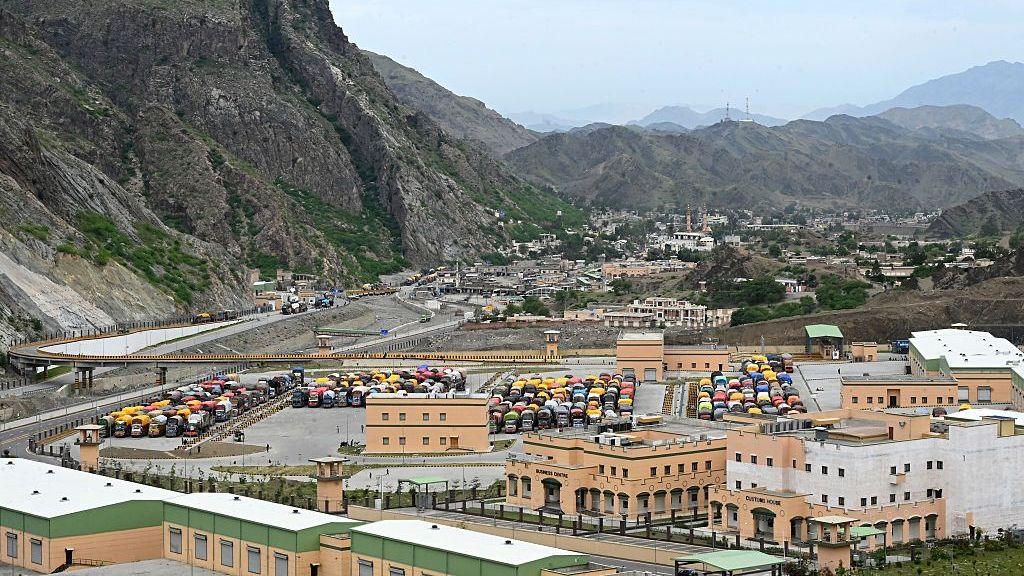
As residents leave, local businesses close and services such as maternity wards and schools vanish. The small rural town of Oschersleben in Saxony‑Anhalt has a population of just 19 000, and its nursery – once full – is now asking for new families to maintain operations. The term Kitasterben (day‑care dying) is used to describe this phenomenon: fewer children leading to the disappearance of childcare facilities.
Demographic change is altering politics. The far‑right Alternative for Germany (AfD) has gained traction in regions where population decline is strongest. In Saxony‑Anhalt, the party polls above 40% for the upcoming elections; it promotes policies that favour larger families and criticises immigration as a “remedy that is unsuitable” for stabilising the population. The rise of the AfD comes in a country where right‑wing extremism is generally dated back to the World War II era.

Attempts to reverse the trend include local organisations like Heimvorteil Harz, which match job openings with prospective residents, and the government’s plan to improve childcare and subsidise housing. However, data from demographers suggest that the scale of the problem means that any single initiative will struggle to reverse the decline.
Makes the future uncertain, but also highlights the urgency of addressing the mismatch between a rapidly ageing population, low fertility, and a shrinking workforce. Addressing the “push” and “pull” factors of migration, enhancing workplace opportunities, and formalising support for young families are key policy levers that could help breathe life back into Germany’s eastern heartlands.