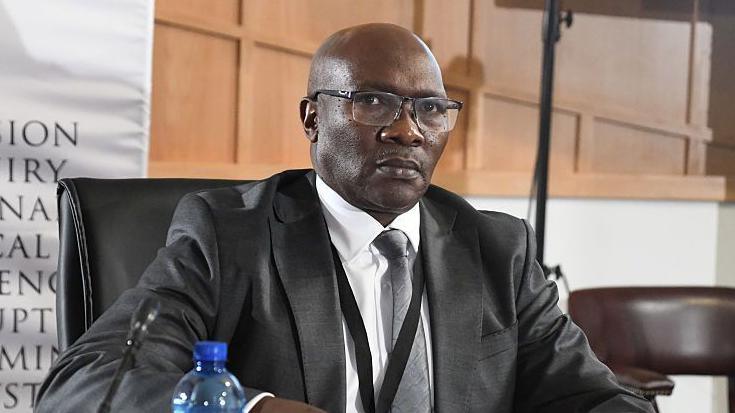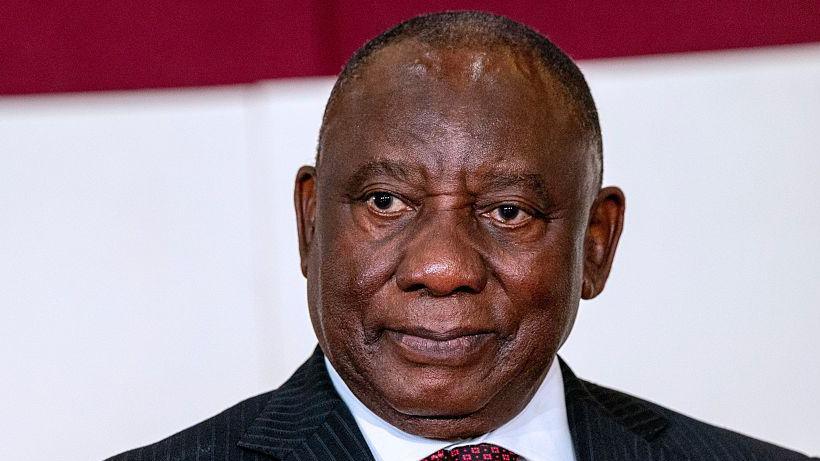
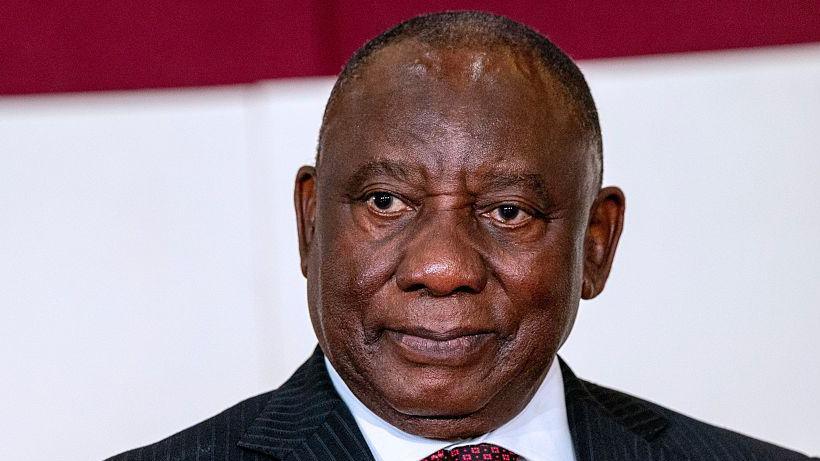
A South African court has issued an order that temporarily halts the parliamentary committee’s investigation into whether President Cyril Ramaphosa should be impeached over the Farmgate scandal. The decision, made by a judge in the Western Cape High Court, keeps the committee from proceeding until Ramaphosa’s own lawsuit, which challenges the findings of an independent panel, is heard.
The Farmgate controversy began in 2020 when burglars stole approximately $580,000 in foreign currency that had been hidden in a sofa on the president’s private farm at Phala Phala in Limpopo province. An independent panel conducted in 2022 concluded that “the president may have a case to answer” but faced political opposition when the National Assembly voted against establishing an impeachment inquiry. In May 2026 the Constitutional Court ruled the franchise vote was unlawful, paving the way for the committee’s revival.
Ramaphosa’s legal team has argued that continuing the committee’s work while the separate case is pending would inflict irreparable reputational damage. The majority judgment therefore affirms that until the panel’s review is adjudicated, the impeachment proceedings cannot proceed.
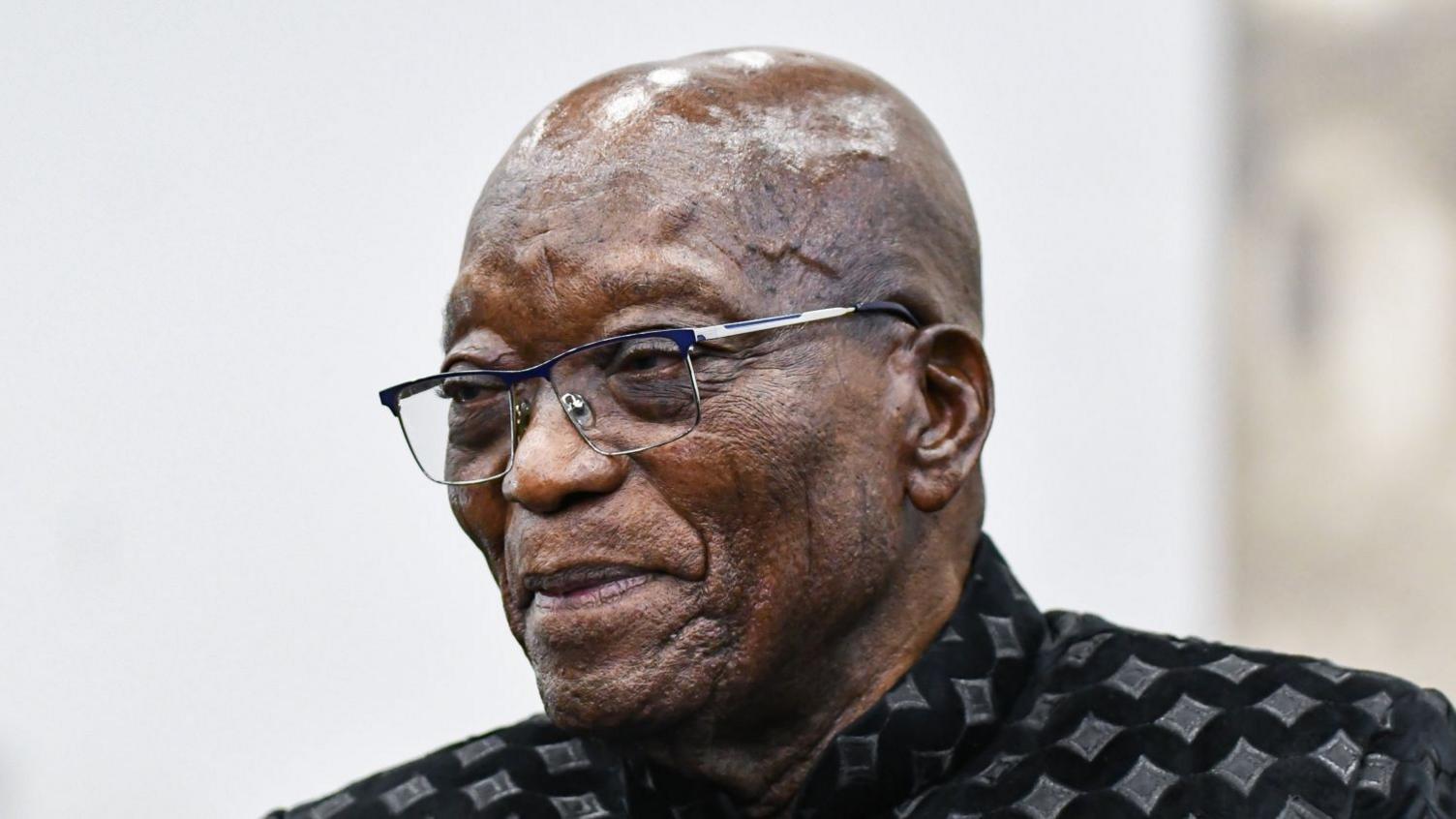
Political reactions have varied. The Democratic Alliance, the second‑largest party in the coalition, has said that the ruling was expected but it will not stop the committee from doing preparatory work. The opposition party uMkhonto weSizwe, led by former President Jacob Zuma, condemns the president for allegedly undermining the courts. Meanwhile, the ANC welcomed the decision and urged other parties to refrain from “politically motivated distortions.”
The ruling extends the period during which Ramaphosa can clear his name, but the unresolved questions in the Farmgate saga will soon be litigated in court rather than through a parliamentary inquiry. The next scheduled hearing of the independent panel is set for September, and the court will decide whether the impeachment committee may resume its work once that case concludes.