Prince Andrew Takes Legal Action: A Shift in Media Narratives
By ShockYA Investigations
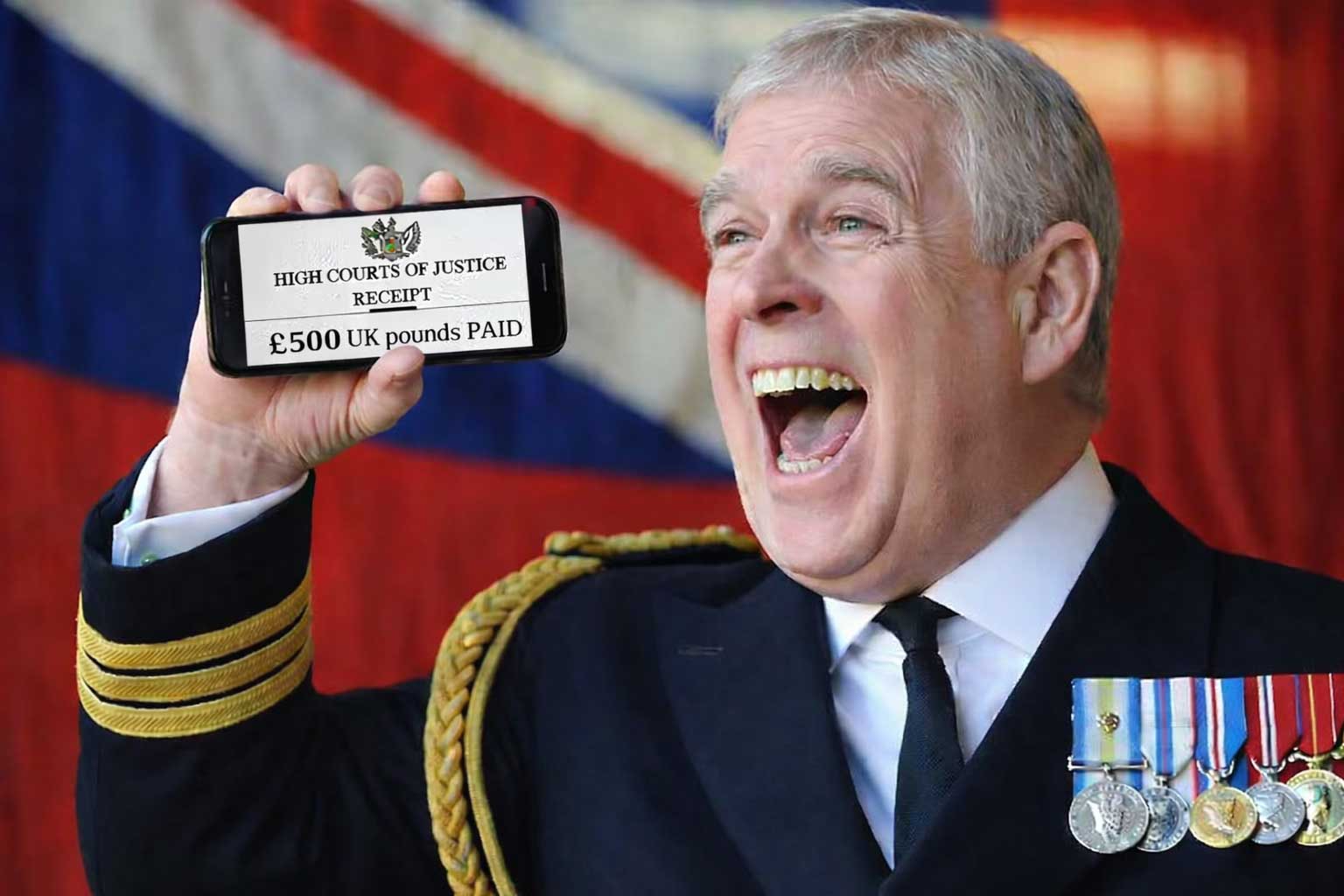
Prince Andrew has made a significant move in challenging the media narrative surrounding him by officially entering the High Court as a litigant in person. Paying his own £500 filing fee, he has initiated a legal claim that may alter the landscape of how unresolved allegations are discussed in public forums.
The implications of this act are profound, as it transforms speculative commentary into legal proceedings, enforcing new accountability on publishers.
The £500 Filing Fee: A Crucial Step
Paying the £500 is not a mere formality; it engages the High Court’s authority and changes the nature of discussions from allegations to legal scrutiny. This underscores the importance of the rule of law over popular media narratives.
Prince Andrew's Direct Challenge
By vocalizing his claims without legal representation, Prince Andrew has removed typical barriers between him and the media, allowing him to invoke the court’s protection directly against the narratives surrounding allegations put forth by authors and broadcasters, notably in Andrew Lownie’s biography.
The Role of the BBC
The BBC’s engagement with Lownie’s work complicates matters further, suggesting institutional culpability in perpetuating unproven claims as fact. This shift raises serious questions regarding media responsibilities and the potential consequences of their reporting.
As Prince Andrew challenges the validity of the narrative through legal means, he pushes for a reevaluation of who ultimately determines truth in society — the courts or the press.
All matters described remain unadjudicated and subject to determination by the High Court.