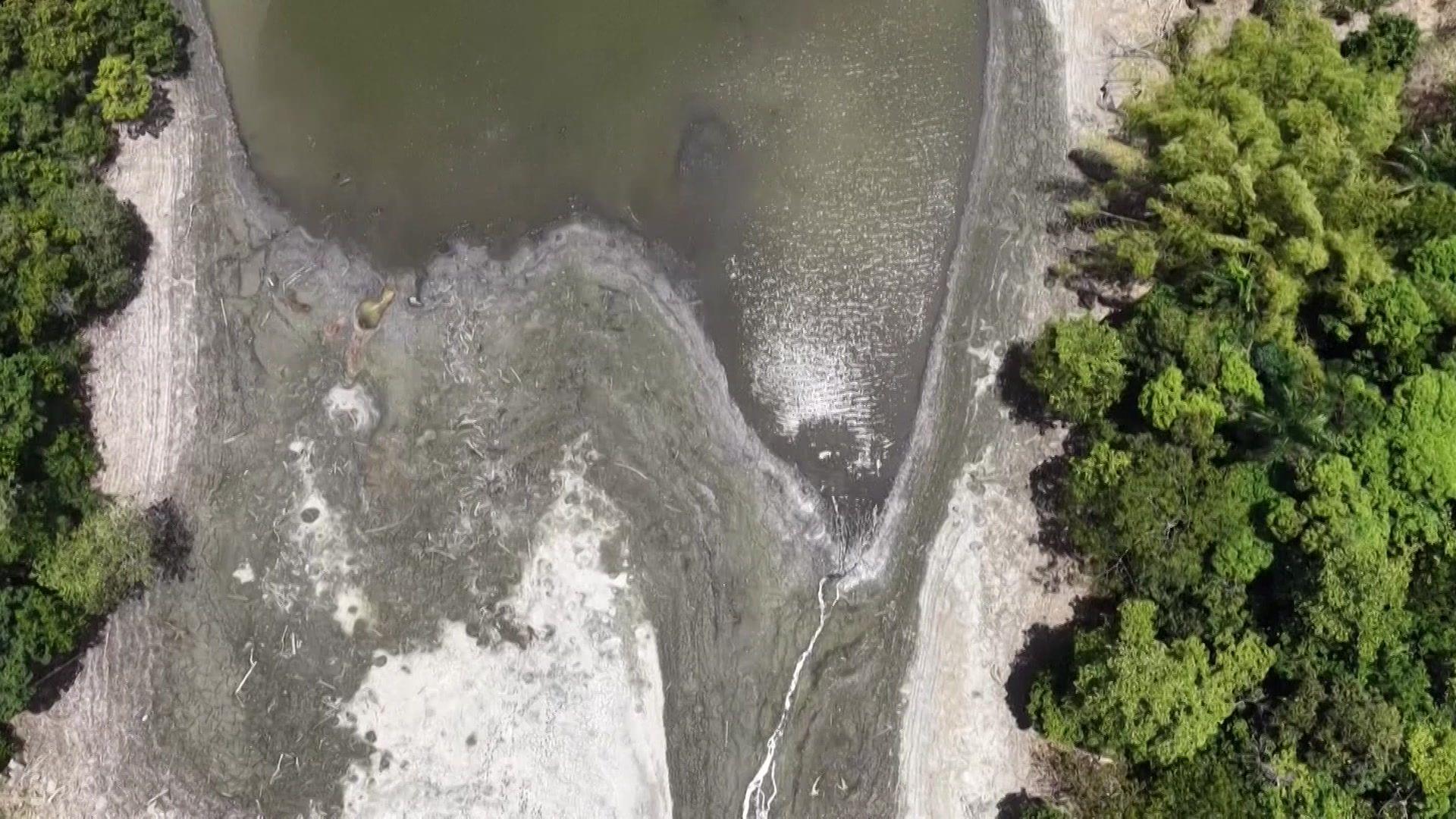
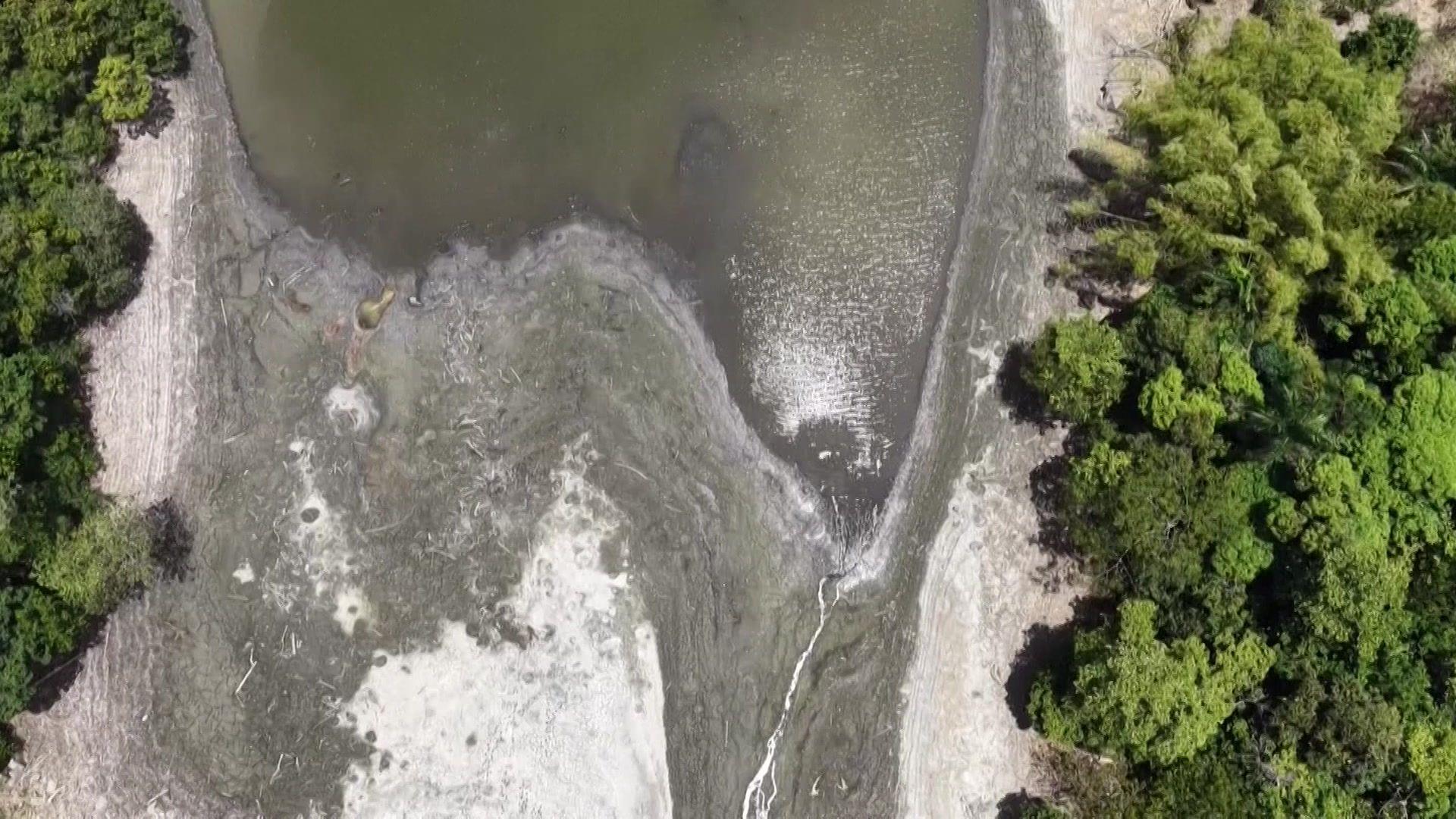
Puerto Rico’s water rationing has started in a 48‑hour cycle across the island, following a persistent drought that has left the main Carraízo reservoir nearly empty.
The strategy splits households into two groups: each receives water for two days and then has a 48‑hour interruption. San Juan residents protested the sudden restriction, citing health and safety concerns.
Official reports say the island’s water authority loses about 65% of the water it produces. Most of that loss is due to leaks and aging pipes – an issue that has been looming since the 2017 Hurricane Maria damage.
Governor Jenniffer González stated that the rationing follows a careful review of the reservoir’s status and current weather forecasts, describing it as “beyond our control.”
By July, 68% of Puerto Rico was under drought conditions, with 180,000 properties targeted for rationing. The affected districts normally receive the majority of water from Carraízo.
Historically, the island has endured extreme rainfall events tied to climate‑change‑driven weather, making the current drought more severe. In 2020 and 2015, similar measures limited water to one out of every three days for about 400,000 households.
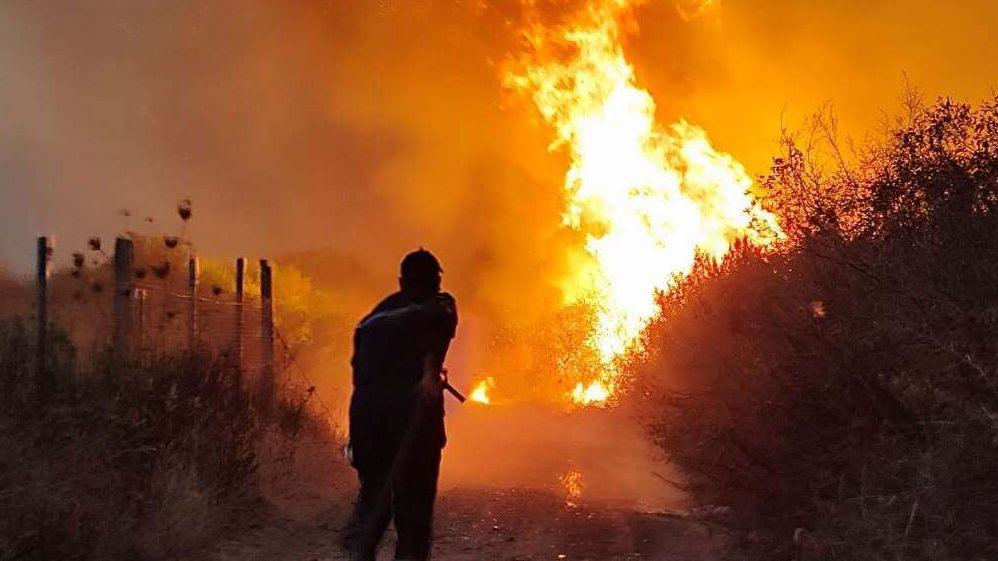
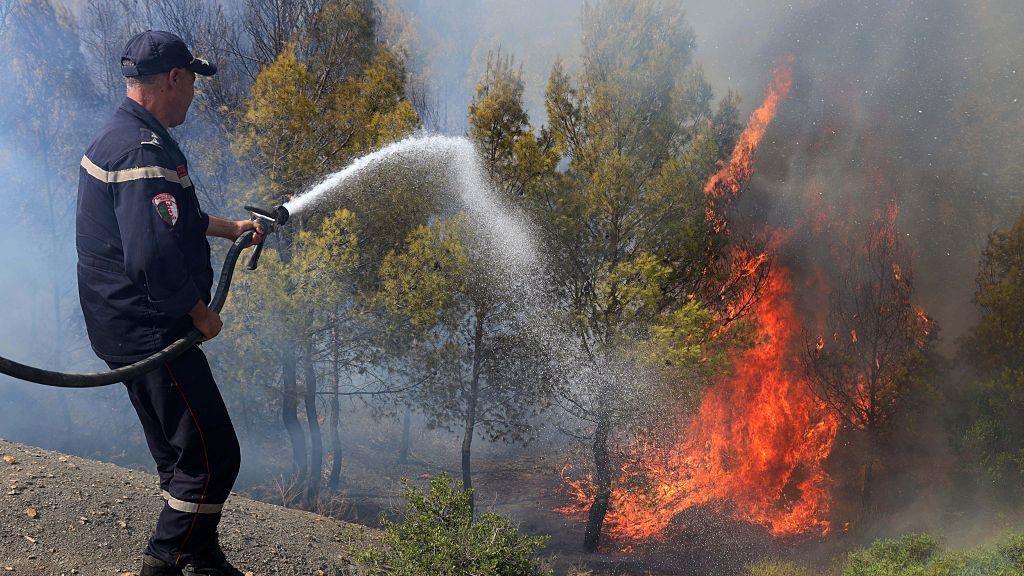
González also noted over 1,000 active wildfires and suggested that a Saharan dust cloud moving over the Caribbean could bring much‑needed rain once it recedes.
Residents are lining up at tanker trucks, waiting to fill large containers. Some communities, like Morcelo in the south of San Juan, have reported no water delivery despite being promised a supply after the first 48‑hour window.
The federal government has signaled support, though details remain limited. The situation underscores the urgency of infrastructure upgrades and a coordinated climate‑resilience strategy.