
In brief
The Parti Québécois (PQ) has been projected to secure enough seats for a minority government in Quebec, marking its return to power after a nine-year absence. New leader Paul St-Pierre Plamondon vows to be "the premier of everyone in Quebec" while committing to a future independence referendum, despite only 30% of voters supporting the move. The election results see the Liberals and Conservatives gain seats as the former governing party, the CAQ, fails to win any seats. Plamondon’s platform includes a fight against Ottawa over immigration policy and a devolution of funds from the monarchy to social services, raising legal challenges. The outcome risks testing Prime Minister Mark Carney’s ability to maintain national unity amid potential separatist ambitions in both Quebec and Alberta.
Quebec’s partisan victories set a new chapter for Canadian federalism.
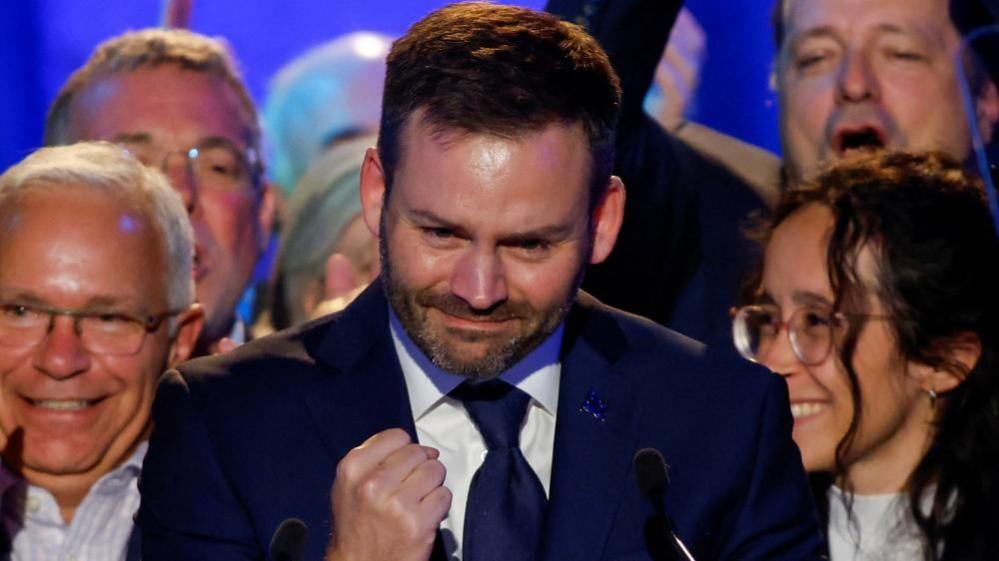
The Parti Québécois (PQ) is now projected to hold a minority government in the province’s Legislative Assembly, a first since 2014. New Premier Paul St-Pierre Plamondon claims the mandate to "be the premier of everyone in Quebec" while charting a path toward a future independence referendum.
Although polls show only about one‑third of voters favour independence, the PQ’s electoral success supplies the key numbers needed to lobby Ottawa for the vote. Plamondon has warned that the referendum should be held after the United States is free of former President Donald Trump’s trade tariffs, citing an impending trade reset that could affect Quebec’s economy.
The election also flipped the political landscape: the Liberals and Conservatives gained seats, while the former premiership party, Coalition Avenir Québec (CAQ), failed to win any. Carney, the federal Liberal leader, has congratulated the new Quebec premier and pledged cooperation on economic and social issues, yet the federal government may now face two separatist movements – Quebec and Alberta – each seeking a referendum.
Beyond independence, Plamondon’s platform includes a willingness to confront Ottawa on immigration policy and a radical plan to abolish the monarchy’s presence in the province. He proposes redirecting funds from the lieutenant‑governor’s office to homelessness programmes, a move that blurs constitutional lines and may trigger legal battles with the federal government.
Overall, the results signal heightened public fatigue with the CAQ’s tenure and raise questions over the balance of provincial autonomy against national unity. How Quebec’s new government negotiates these ambitions will shape Canada’s future political topography.

