
In brief
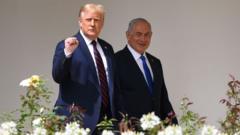
With the return of Donald Trump seemingly on the horizon following the recent elections, there is palpable excitement and anxiety in Israel regarding his plans and policies. Israeli Prime Minister Benjamin Netanyahu, who congratulated Trump shortly after his victory, has previously hailed him as Israel's greatest ally in the White House. Many view Trump as a steadfast supporter of Israel, particularly for his actions that favored the nation during his first term, including the recognition of Jerusalem as Israel's capital and the withdrawal from the Iran nuclear deal which Israel opposed.
While some Israelis, like Rabbi Rafael Shore, express confidence that Trump's leadership would deter Iranian aggressiveness and bring stability, others like Michael Oren, a former Israeli ambassador to the U.S., urge caution. Oren highlighted Trump’s reluctance to engage in wars and his lack of enthusiasm for Israeli settlements as potential friction points with Netanyahu's far-right coalition partners who demand aggressive policies.The ongoing conflict with Hamas in Gaza raises the stakes further. Israeli citizens are anxiously awaiting what Trump’s leadership would mean for a swift resolution to the conflict. The voices from Gaza, experiencing devastating loss and lack of basic supplies, reflect a desperate plea for intervention—hoping Trump's influence might bring peace and an end to hostilities quickly.Contrasting voices emerge from the West Bank, where skepticism about U.S. administrations is high. Palestinian leaders express hope for a more balanced approach from Trump, one that addresses the deep-rooted issues fuelling the conflict rather than just solving surface-level problems.While many Israelis support Trump’s administration and the familiar policies it could bring, widespread concern about the volatile nature of his leadership lingers. With a track record of unpredictability, the complex geopolitical landscape in the region prompts apprehension about the implications of his second term. Ultimately, the aspiration for constructive change remains amidst a backdrop of uncertainty about what Trump's presidency could hold for Israel and its neighbors.

