President Volodymyr Zelensky said Friday that Russia’s latest attacks are deliberately aimed at Ukraine’s data centres and internet providers, forcing ordinary citizens to lose connection to their work, study, and daily life.
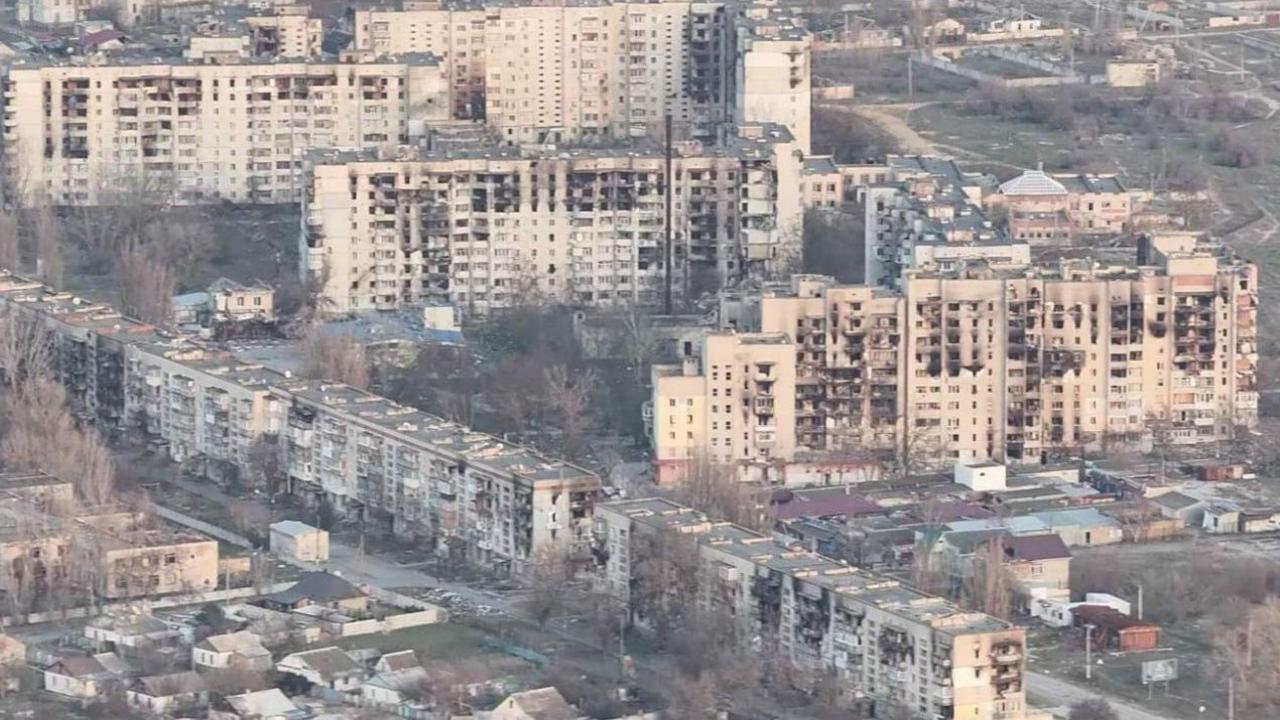
The claim follows a Russian drone strike on a business centre in downtown Kyiv that killed four people and severely damaged a datacenter run by the Ukrainian company Datagroup. A separate drone hit a multi‑storey residential building, killing a 14‑year‑old boy who was an Israeli citizen.
The U.S. and European allies warned that these strikes target “essential civilian infrastructure,” not combat sites, underscoring the legal and humanitarian implications of hitting civic data facilities. Kyiv authorities reported that roughly 100,000 households in the capital and surrounding regions suffered internet outages this week.
In response, Ukrainian defence officials announced that data will be migrated to backup sites overseas and that new protocols are being introduced to shield critical communications infrastructure. The Ukrainian military’s intelligence unit confirmed that the datacenter had been used by ZSU command and also noted that Russia claimed the facility as a “military target.”
The attacks were part of a larger pattern of hybrid warfare. Russian forces have also struck energy and railway systems, while Ukraine’s military retaliates by targeting Russian refineries and logistics hubs to reduce its war‑financing capacity.
President Zelensky urged the international community to respond forcefully, saying that Russia’s escalations must be met with clear consequences. He added that “ordinary life” is deliberately being hit as part of Russia’s strategy to sow terror.

In a statement after the strikes, Kyiv mayor Vitaliy Klitschko said seven people were killed and 59 wounded across the city from overnight and day‑time attacks. The Russian defence ministry later confirmed it targeted the Datagroup site, claiming it aided Ukrainian military intelligence.
Russian officials have intensified attacks on data processing and telecommunications centres including New‑Telco, United DC, Kyivstar and Parkovyi. Ukrainian officials maintain a decentralised internet network, hoping it will remain functional even under sustained pressure.
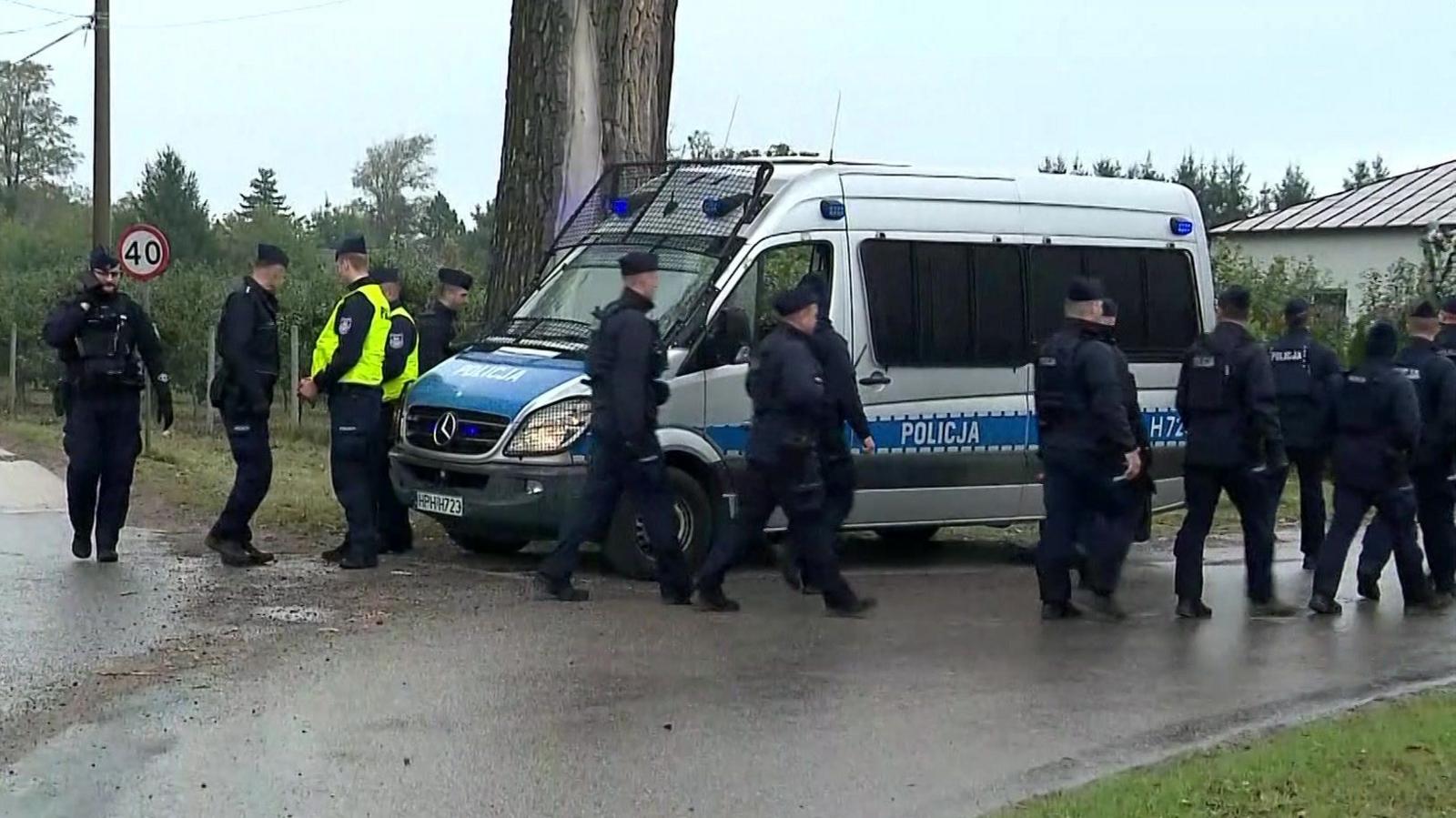
The incident follows a recent EU announcement of 6.6 billion euros in aid to Ukraine, pledging support for its military and civilian infrastructure protection. At the same time, Poland’s authorities investigated a suspected sabotage of a Starlink satellite station, illustrating the broader geographic scope of the hybrid conflict.