In brief
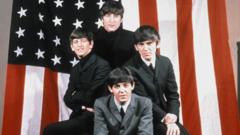
The recent documentary "Beatles '64" explores how The Beatles transcended the grief of a nation following JFK's assassination, igniting a wave of hope and joy in America. Scholars weigh in on the connection between the emotional void left by JFK's death and the band's meteoric rise to fame.
As The Beatles arrived in the U.S. just 70 days after President John F. Kennedy's assassination, questions arose about the impact of such a tragedy on their historic breakthrough. Paul McCartney suggested that America was in need of a lift, highlighting the cultural and emotional void left by the assassination of a beloved president. This sentiment resonates through "Beatles '64," a new documentary that argues the band's arrival was a potent symbol of hope and joy during a time of mourning.JFK's murder on November 22, 1963, was a seismic event that shook the nation. Dr. Patrick Andelic of Northumbria University emphasizes that Kennedy, as the first television president, had captivated a generation with his youthful energy, further intensifying the shock of his death. In the wake of this tragedy, many turned to The Beatles as a beacon of light.Dr. Holly Tessler from the University of Liverpool notes how The Beatles had already become a sensation in the UK, but it was their charismatic arrival at JFK International Airport that marked the beginning of "Beatlemania" in America. Facing skepticism from Capitol Records, they nonetheless successfully penetrated the U.S. market with their single "I Want to Hold Your Hand," dominating the charts just as the nation was grappling with its collective sorrow.The Beatles' performances on "The Ed Sullivan Show" solidified their American success, captivating an audience of over 70 million viewers. As the cameras panned over each band member, their charm and charisma shone through; they quickly became symbols of joy and youthful exuberance in a nation looking to heal.While some argue that the connection between JFK's assassination and The Beatles' success is outdated, it is undeniable that their arrival offered a semblance of joy amidst the grief. Nonetheless, Dr. Tessler insists that their manager had already secured their appearance on the show before the tragic event, demonstrating that multiple factors contributed to the band's triumph."Beatles '64" delves deep into this cultural moment, illustrating the powerful interplay between tragedy and triumph that helped shape not just music, but the spirit of a nation in transition. With the global frenzy around The Beatles, their music became a defining soundtrack for a time when America was ready to emerge from mourning into a new era of joy.