
In brief
This article explores how Vladimir Putin's governance has evolved over a quarter-century, especially in light of his role in the war in Ukraine and its impact on Russia's sovereignty, as well as public perception and economic standing.
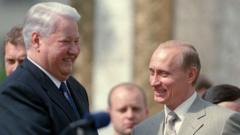
In the waning hours of 1999, an unexpected transition marked the beginning of Vladimir Putin's long-standing rule in Russia. The departure of Boris Yeltsin as president was a seismic shift, one that not only set Putin on a trajectory of power but also initiated a complex narrative surrounding Russia's national identity and its relationship with the world. Yeltsin’s parting words to Putin, urging him to "take care of Russia," have taken on a new resonance given the recent events, particularly the ongoing war in Ukraine.As tensions escalate and the conflict draws near its third anniversary, both Ukraine and Russia have faced significant consequences. Ukraine has suffered extensive destruction and loss, while Russia's military operations have resulted in heavy battlefield casualties and international sanctions that further strain its economy. Moreover, the domestic landscape in Russia has shifted towards increased repression and a dismal demographic outlook.Reflecting on these years, many have noted the stark contrast in Putin's demeanor and policies. Former NATO chief Lord Robertson underscored this change, recalling a Putin who once embraced dialog and cooperation, now transformed into a leader whose ambitions seem to drive him toward confrontation and isolation. This transformation is often attributed to a deep-seated desire to restore Russia’s might following the perceived aftermath of the Cold War collapse and a growing resentment towards the West.In a recent press conference, I confronted Putin with Yeltsin's historical charge to “take care of Russia,” pressing on the significant losses incurred during his so-called "special military operation." His response was striking; he claimed to have not only fulfilled that charge but asserted that he had rescued Russia from the brink, defining his tenure as a restoration of national sovereignty against Western manipulation.The veracity of Putin's self-assessment remains ambiguous. Is he genuinely convinced of his stewardship, or is this a narrative crafted for both domestic and international audiences? This pivotal question could have significant implications for the future trajectory of Russia and the resolution of the current conflict. The long-term ramifications of his leadership style and priorities remain to be fully realized as the war in Ukraine unfolds, coupled with the relentless international scrutiny and internal challenges facing the Kremlin.


