Salman Rushdie Attacker Convicted of Terrorism, Faces Life in Federal Prison
In a New York federal court, Hadi Matar—already serving 25 years for the 2024 stabbing of Nobel laureate Salman Rushdie—has been found guilty of transnational terrorism and of providing material support to Hezbollah, the Lebanese militant organization designated as a terrorist group by the United States, United Kingdom and other nations.
Prosecutors tied Matar’s actions to a 1989 fatwa issued by Iran’s supreme religious leader calling for Rushdie’s death and a 2006 Hezbollah speech that urged followers to enforce that decree. The defense argued that the attack was a personal vendetta, not a terrorist act, and questioned whether the novelist’s controversial 1988 novel, “The Satanic Verses,” warranted the death threats he endured.
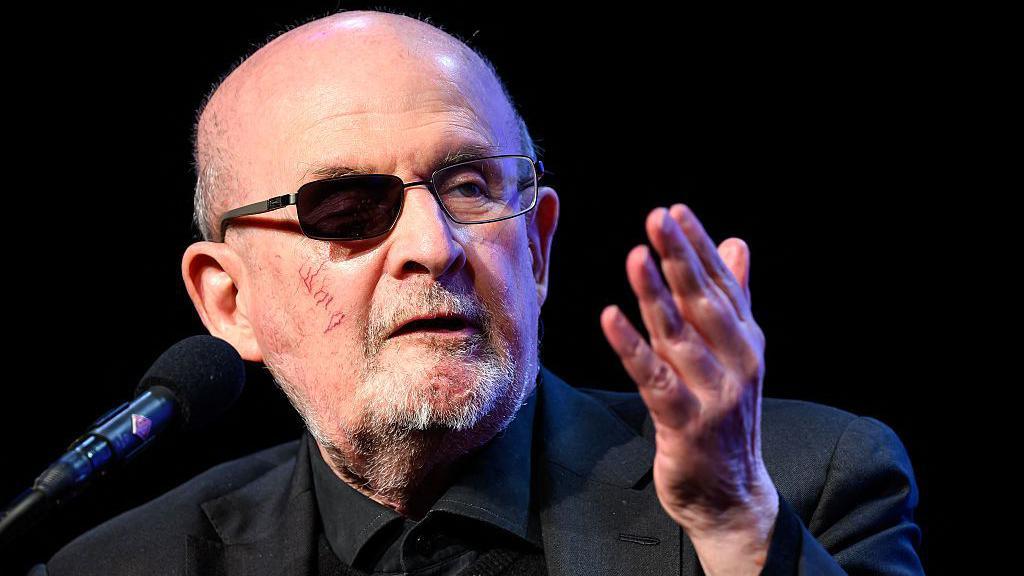
During the trial, Rushdie provided riveting testimony, describing being stabbed 15 times—including in the cheek, chest, eye, neck and thigh—and depicting the scene as an “enormous lake of blood.” He removed the dark lens on his glasses to reveal a partially‑blinded eye, remarking that the attacker’s knife reached within millimetres of his brain and “the knife came within millimetres from my brain.” He highlighted the role of a local firefighter who rendered lifesaving medical care, saving his life.
Matar, who is aged 28, has a record that includes a 25‑year sentence from a 2025 state trial where he was convicted of attempted murder. The new federal conviction could add a life sentence to his punishment, harrowing the already difficult path to freedom he faces.
This case underscores the ongoing threat to writers who challenge cultural and religious norms. Rushdie, who remained in hiding for nine years after the fatwa was issued, has steadily rebuilt his life, writing a memoir about his recovery and recently releasing his first novel in two decades.
For background, the 1988 novel inspired by the life of Prophet Muhammad sparked outrage in some Muslim communities, labeled by them as blasphemous. The aftermath saw Rushdie endure death threats, leading to a protracted period of concealment and stealth in the United Kingdom.
While this latest conviction marks a significant victory for justice, the fallout ripples beyond Rushdie’s personal story—illuminating the persistent political, religious, and literary conflicts that define the contemporary world stage.