In brief
A series of Houthi missile attacks on Saudi aviation hubs has drawn a firm reply from the kingdom’s energy chief. Prince Abdul Aziz bin Salman announced a "serious" response at the WPC Energy Congress, amid rising casualties and disruptions to regional flights. The attacks, part of a broader Yemen conflict, have drawn condemnation from the UN and raised concerns over international law and energy security.
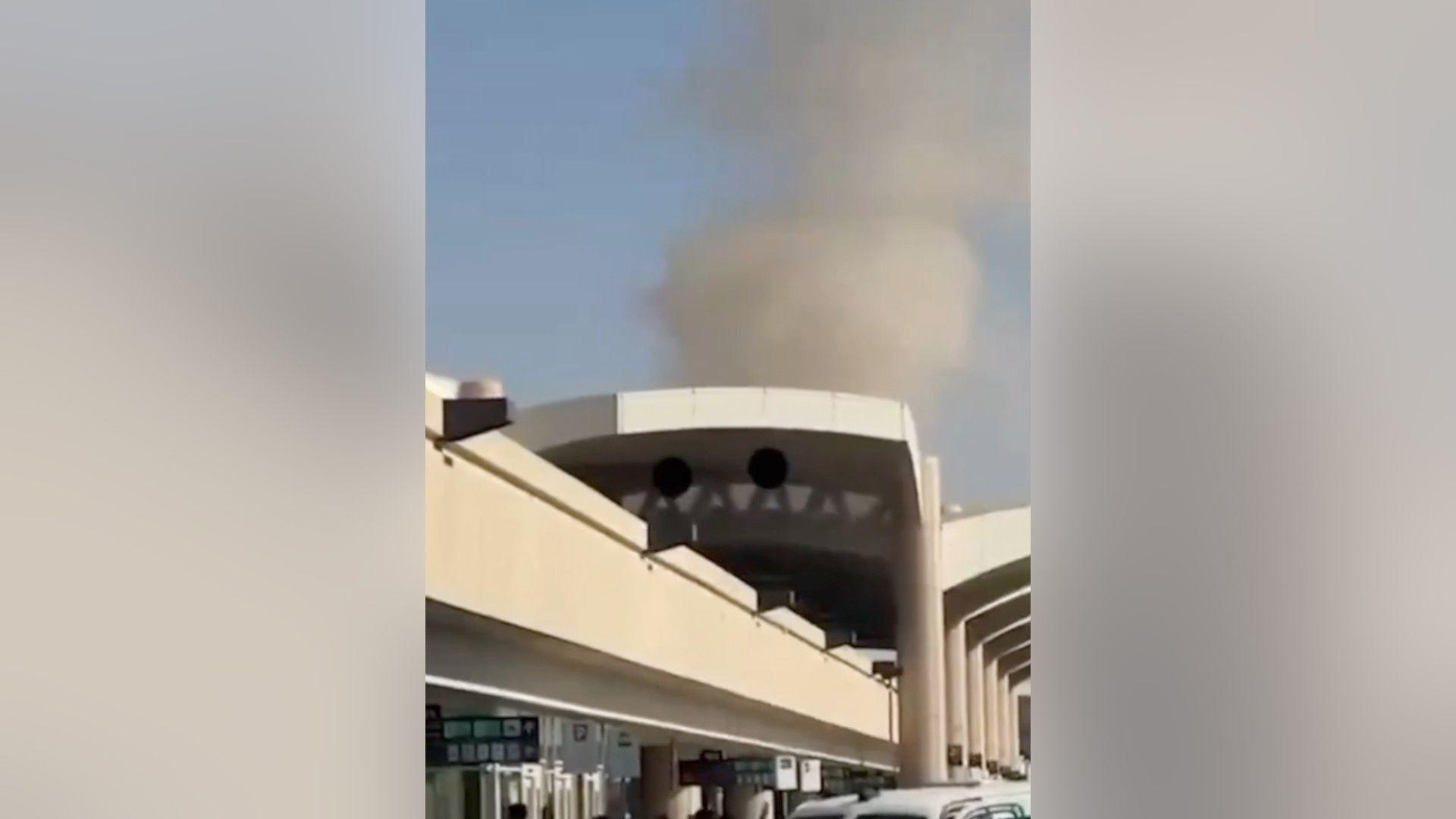
The recent week has seen the Kingdom of Saudi Arabia’s aviation infrastructure under relentless pressure from Yemen’s Iran‑backed Houthi movement, which has struck the capital’s King Khalid International Airport and other facilities with missiles and drones.
Prince Abdul Aziz bin Salman, Saudi Arabia’s energy minister, used the WPC Energy Congress in Riyadh to announce a "serious" counter‑response to the attacks. He warned that the attacks were "serious" and that the kingdom would respond with equal force.
The casualties have climbed sharply. A PK‑resident was killed when a projectile hit Terminal 4 on Sunday, and earlier attacks on Terminal 3 and other airport buildings have taken the lives of four Saudis, a Pakistani, two Bangladeshis, and several others from the region.
The Houthi movement has said its strikes were retaliation for what it calls "brutal Saudi aggression" in Yemen. The Saudi‑led coalition, which supports Yemeni government forces, remains active in the area and has intercepted several drone and missile attacks.
Following the latest volley, the coalition confirmed the interception and destruction of a ballistic missile aimed at Khamis Mushait. Air traffic services in Riyadh and Dammam have been suspended by several airlines, including Qatar and Etihad, citing "regional disruption."
International reactions have been swift. UN Secretary‑General António Guterres expressed shock, calling the attacks a violation of international law. Iran, which denies supplying the Houthis, has urged dialogue, while the U.S. reportedly continues to provide intelligence support to the Saudi coalition.
The conflict’s roots trace back to the 2014 Houthi takeover of Yemen’s capital and the subsequent Saudi intervention in 2015. A fragile ceasefire unraveled in July, leading to escalating attacks across the border and the seizure of strategic coastal towns.
The Houthi spokesperson warned that attacks would continue until the siege on Yemeni territory was lifted, heightening the risk of wider regional destabilisation in the already volatile Gulf. The kingdom’s vow of a "serious" response underscores the severity of the situation and the need for collective vigilance among Gulf partners.