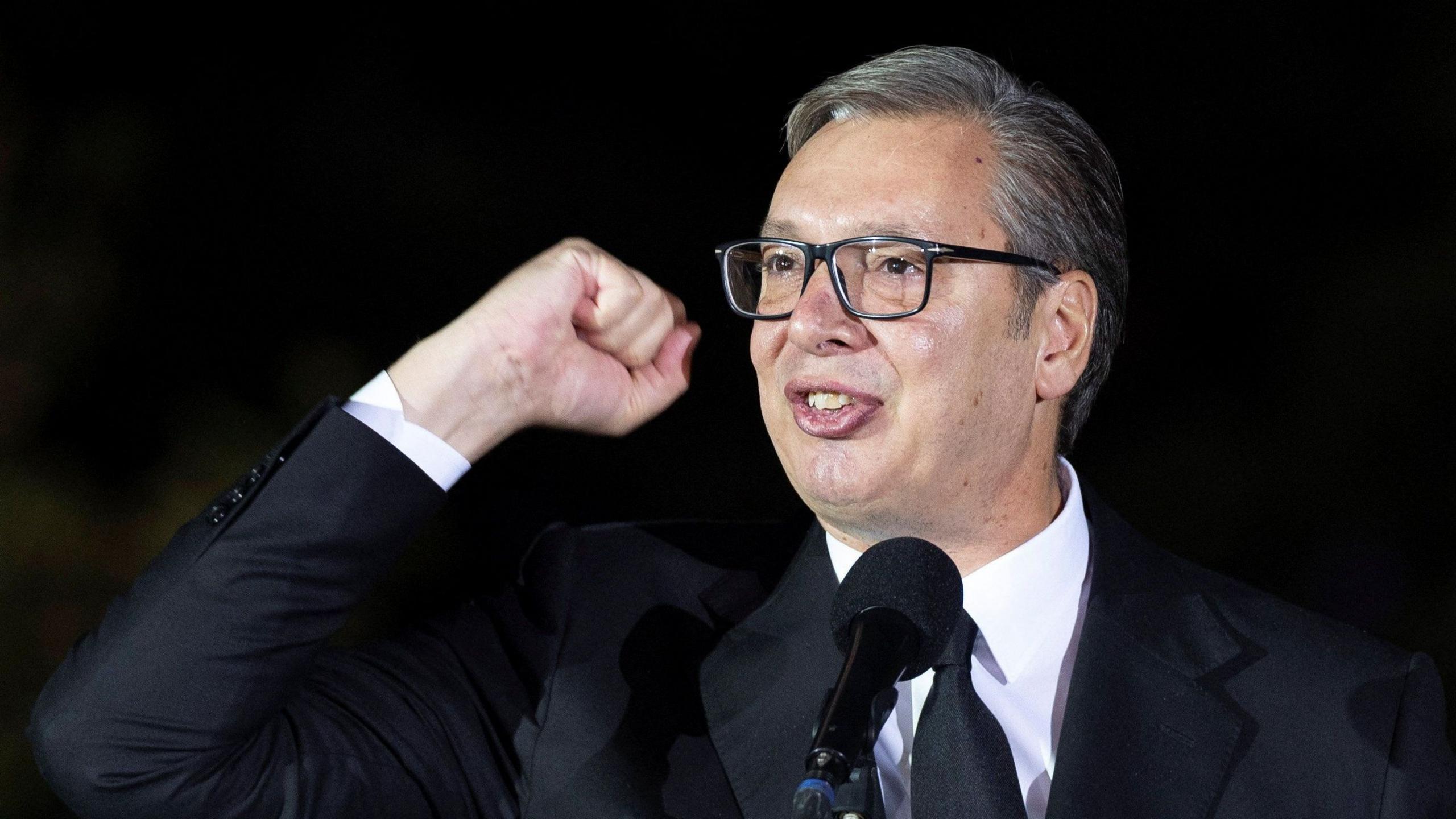
Serbia’s Democratic Turn: President Vučić Resigns Amid Lingering Protest Wave
President Aleksandar Vučić has resigned after more than a year of student‑led marches demanding a clean government and challenged the party’s alleged corruption. The move follows the 2024 collapse of the Novi Sad railway station roof that killed 16 people and exposed gaps in safety oversight.
Vučić, a long‑time political figure who became prime minister in 2014 and president in 2017, announced his resignation in June. He has signalled a desire to campaign for prime minister in the snap parliamentary elections expected in October, confronting the question of whether a former president can head the government again.
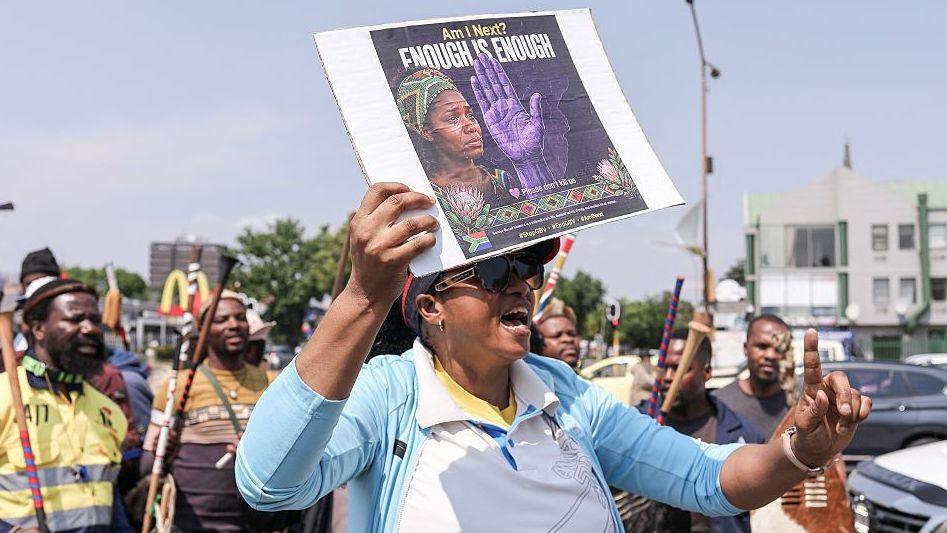
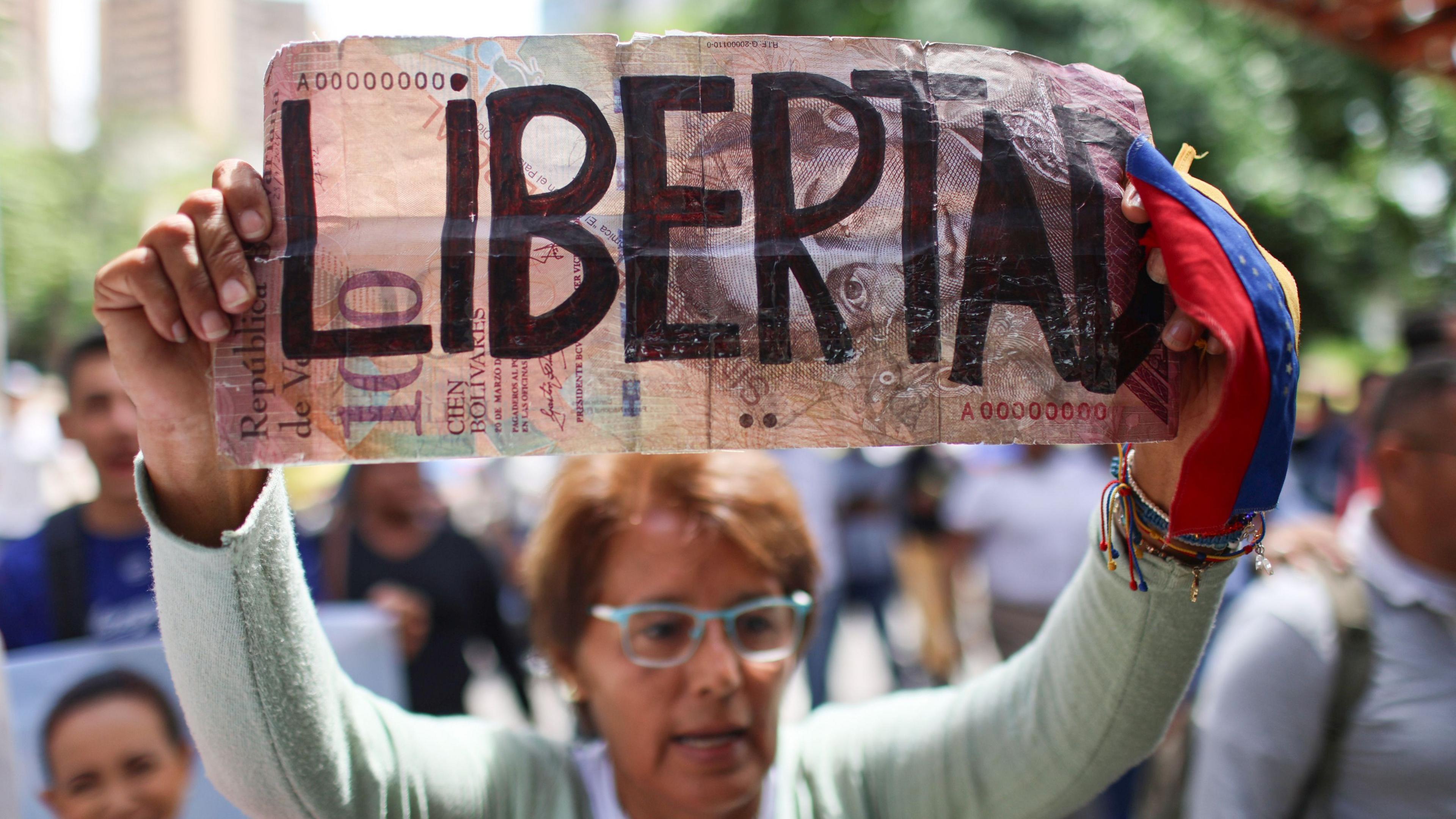
Protests have grown from a narrow student base to a broad coalition of teachers, workers and farmers. The demonstrations have persisted despite a series of cabinet resignations, and allegations that police used excessive force to break up rallies have further inflamed the public.
Under the Serbian constitution the president’s seat must be filled within three months of a resignation. Prime Minister Ana Brnabić will serve as interim president while new elections are organized.
In a final act of clemency, Vučić pardoned 49 people, many of whom were students and party loyalists, before stepping down. The pardon, however, has not stemmed the distrust that grips large segments of the populace.
The upcoming parliamentary vote will pit Vučić’s Progressive Party against two main challengers: the student‑led anti‑corruption movement “Students Win” and the pro‑European coalition “European Serbia.” The outcome will likely redirect Serbia’s ambition toward a European Union membership, balanced against existing ties to Russia and opening up to Chinese investment.
With a new electoral calendar and an open field, Serbian citizens find an unprecedented chance to shape the country’s future. The resignation signals a more open arena for civic activism and a potential return to transparent governance.