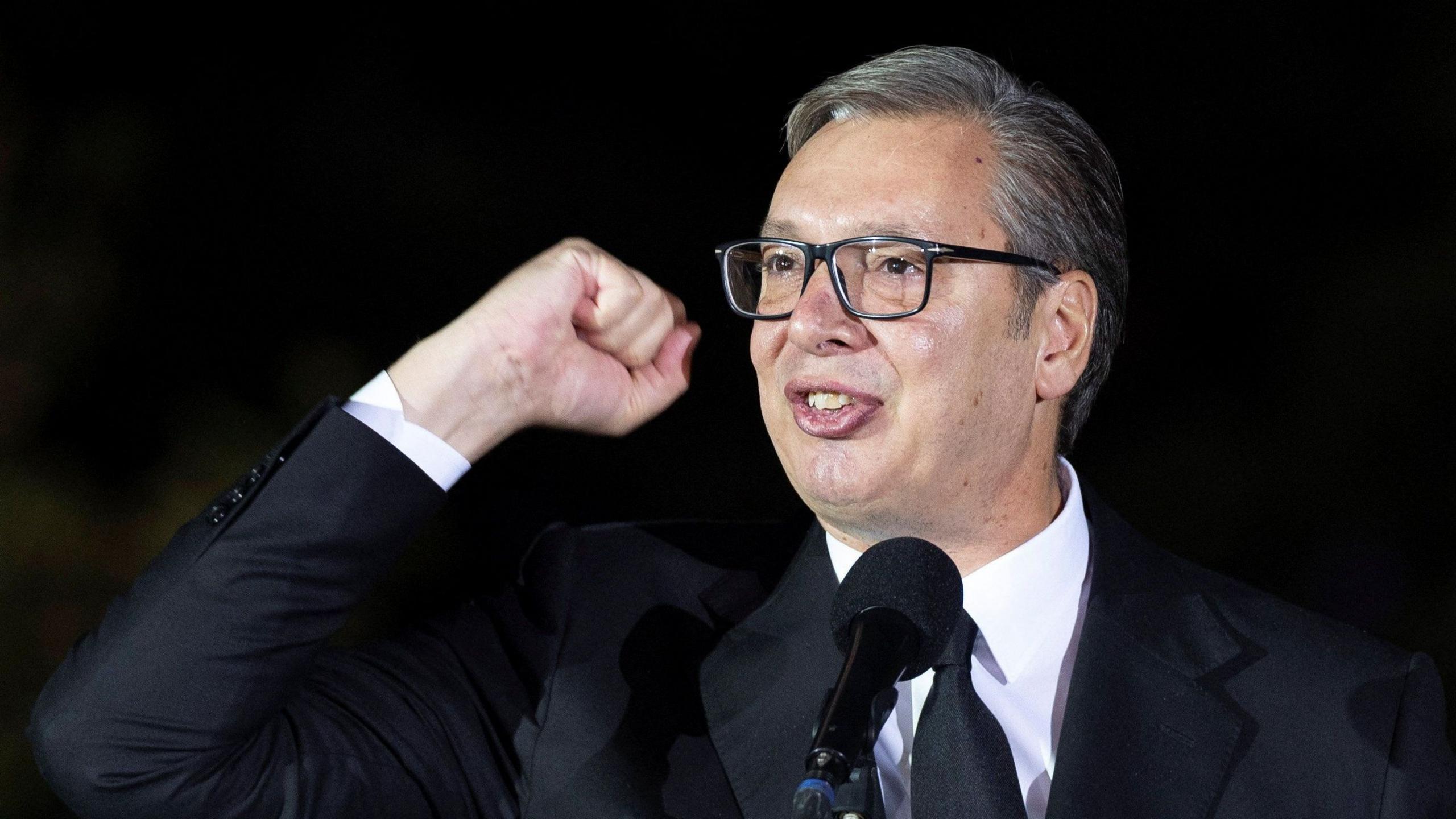

In a landmark move on Wednesday, Aleksandar Vučić announced his resignation as President of Serbia, ending a nine‑year reign that saw the country approach EU membership while maintaining close ties with Russia and China.
The decision follows sustained student‑led protests over alleged corruption and government negligence that erupted in 2024 after a steel‑roof collapse at the Novi Sad railway station killed 16, a disaster blamed on rushed construction.
Vučić said he would remain in office until a new president is elected, a constitutional requirement that the election must be held within three months of his resignation. The interim presidency will be held by Parliament speaker Ana Brnabić, who is also a member of the Progressive Party.
The resignation will trigger snap parliamentary elections later this year, in which Vučić intends to run as the Progressive Party’s candidate. His rivals will include the opposition‑led anti‑corruption movement “Students Win” and the broad‑based coalition “European Serbia”, which seeks to push Serbia further toward the EU.
In a final act of clemency, Vučić used his pardon power to free 49 prisoners, including 23 students and loyalists accused of crimes tied to the protests. The upcoming elections will decide whether the country can move past years of unrest and the legacy of a regime that critics have long accused of systemic corruption.