Shootings surge as drug gangs torment Brussels.
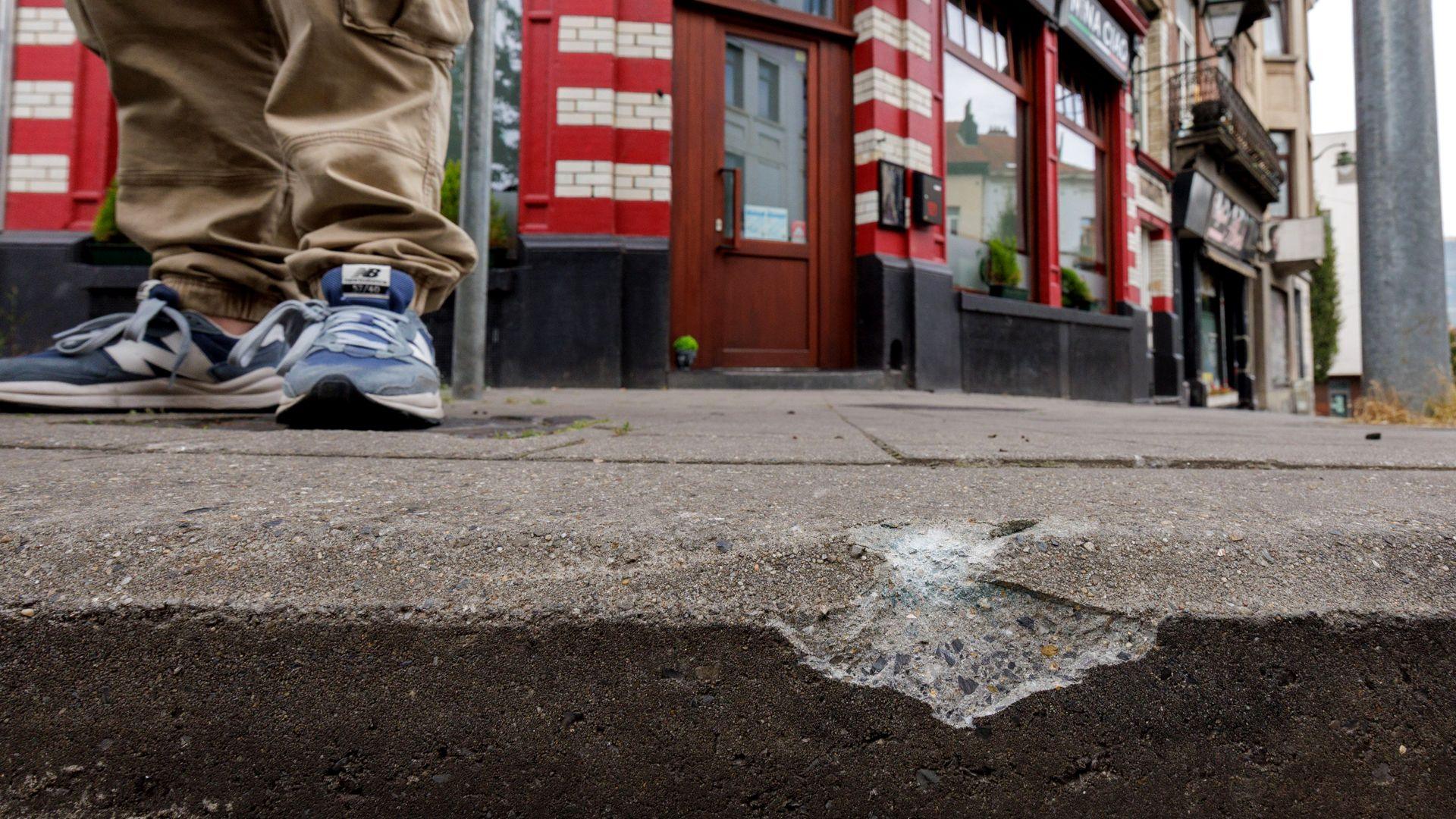
Last Monday night drug gangs turned Salvatore's pizzeria in Brussels into a crime scene. "We dropped to the floor. Clients were eating on the terrace with children. Look, we can see the bullet impacts everywhere," said Salvatore, a regular patron of the restaurant on St Gilles, a central area close to the Midi train station where passengers arrive from London and Paris.
Aggressive activity linked to drug trafficking has become routine in the Belgian capital; there were over 100 related shootings in 2025 alone and now more than 65 this year. This incident marks the third shooting in the neighborhood in just three days.
“Are we in an American gangster movie? This needs to stop,” Salvatore says, echoing the frustration of local residents. He and others fear that the violence will continue to erode property values and displace neighborhood dwellers.
Nearby, a 70‑year‑old local, Murielle, speaks of the once‑respectful nature of drug dealers who used to be courteous. She urges police to combat the new wave of violence where drug trade dominates the area, generating up to €50,000 per day or more for some dealers.
Police Chief Jurgen de Landsheer notes that gangs in Brussels are adopting tactics seen in Marseille, yet the city has not yet reached that level of violence. An attack on a police station earlier in the week—CCTV captured two men on a scooter shooting at a police building—marks a new escalation, the first time criminals targeted law enforcement rather than just rival gangs.
De Landsheer stressed that many young thieves are recruited, as young as 12, and they carry heavy weapons like AK‑47s. The small chance of a stray bullet makes neighborhoods unsafe. He called for more preventative measures, not just repression.
In response, Belgium’s Interior Minister announced the deployment of 40 extra police officers to the problematic area on Thursday. Yet De Landsheer emphasised that law‑enforcement alone cannot resolve the crisis; the government must also address the social pull of crime, offering bright futures for youth and community engagement.
Back on St Gilles, Salvatore hopes the violence will stop, as residents consider moving out and the houses lose value. Murielle remains hopeful that the worst has passed, writing, “We will not be intimidated. We’ll carry on living and protect our lovely neighbourhood.”