Shootings surge as drug gangs torment Brussels
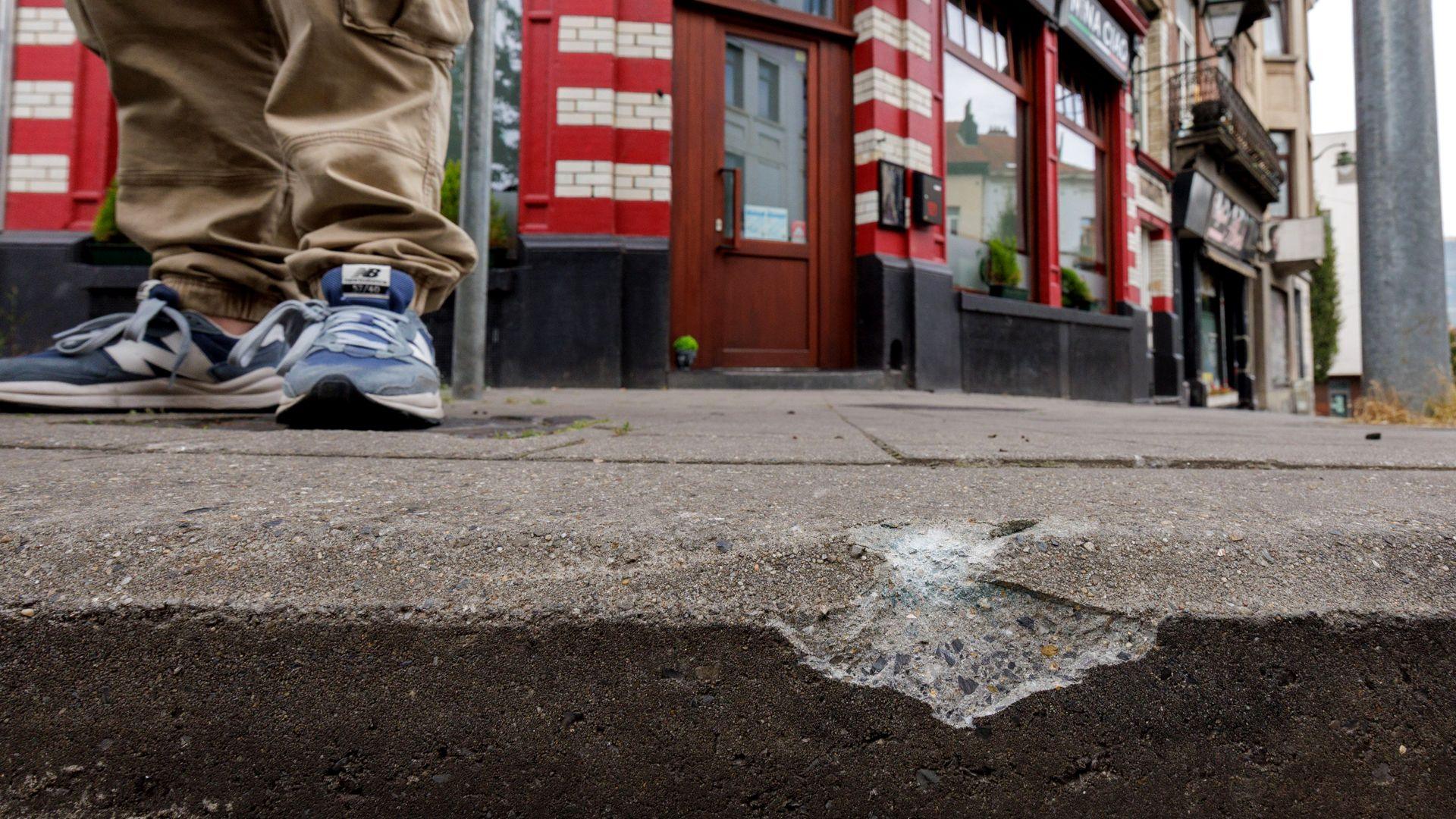
On the night of 27 August, Brussels residents witnessed a brazen attack on Salvatore’s pizzeria on St Gilles square. Armed gang members opened fire on a public terrace, leaving bullet marks on walls and the floor.
Police figures show more than 100 drug‑related shootings in 2025 and over 65 this year alone, with three incidents in the same neighbourhood within three days.
Local business owner Salvatore, who has served the community for years, said he felt “like living in a gangster film” and demanded peace. He warned the violence could erode property values and drive residents away.
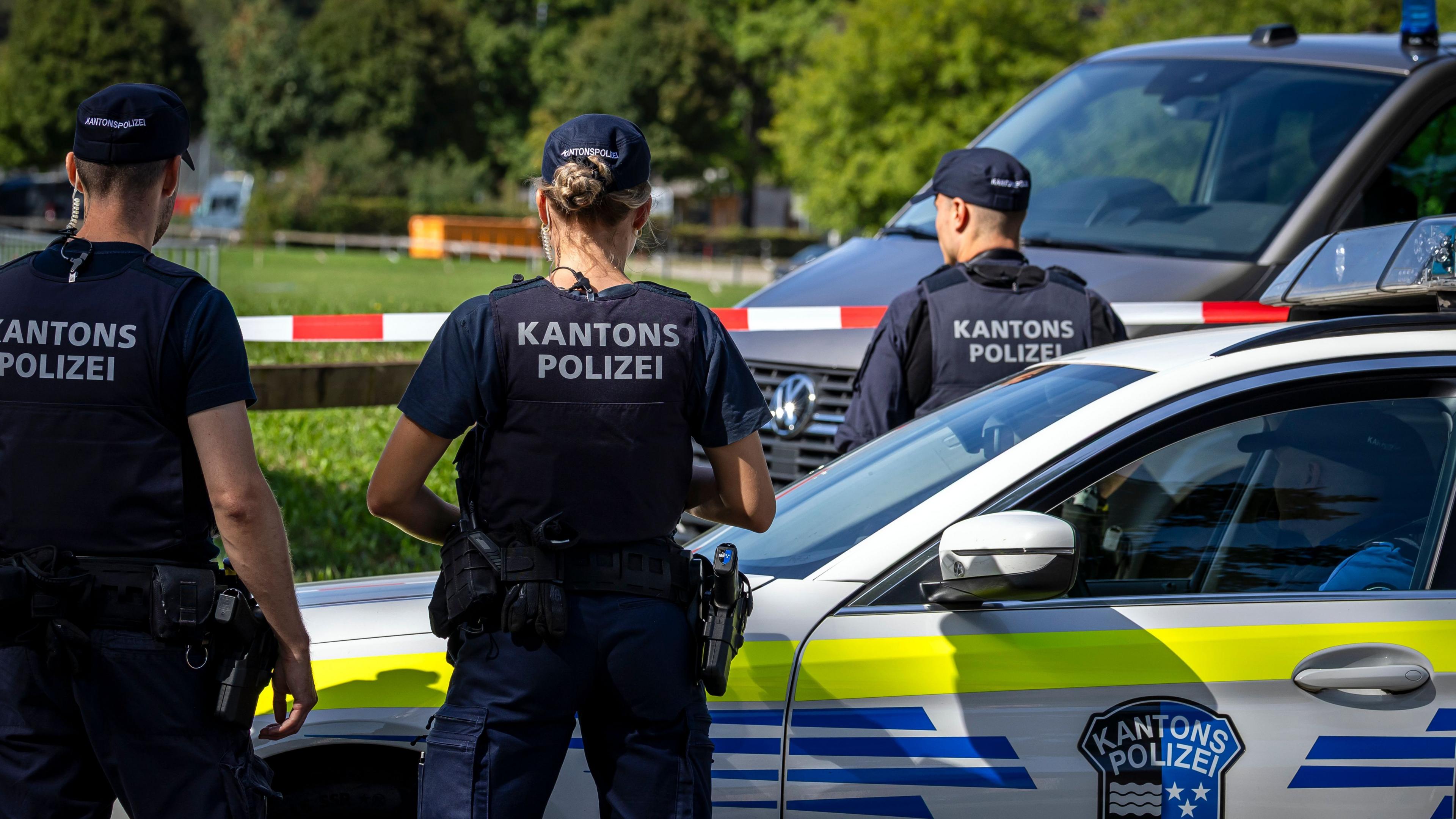
Belgium’s interior minister announced 40 additional police officers would be deployed to the troubled area. Yet senior officer de Landsheer stresses policing alone cannot solve root causes. He calls for preventative measures, investing in youth, and community outreach to reduce the appeal of illegal trade.
Murielle, a 70‑year‑old resident, recounts how once drug dealers were courteous but now the streets are dangerous. She holds onto hope for a safer future and urges neighbors not to be intimidated.
The escalation reached a new level when a police station was targeted by gunfire the previous weekend, underscoring gangs’ boldness. Investigators cite flat drug pricing—up to €50,000 per day in lucrative hotspots—as driving youth participation.
"There is no magical solution; we need prevention over repression," said chief de Landsheer.
Brussels watches patterns from other European crime centres, notably Marseille, where drug cities see similar violence. Authorities note they are not yet at that level but seek early intervention.
The turmoil profoundly impacts daily life: residents are staying awake at night, families are relocating, and once‑productive neighbourhoods feel the urgency for social change beyond policing. The city must address the shift from legitimate business to illicit trade and re‑engage the community in a safer environment.