Social Media Sparks Spain’s Migrant Crisis, Turning Ceuta into Political Flashpoint
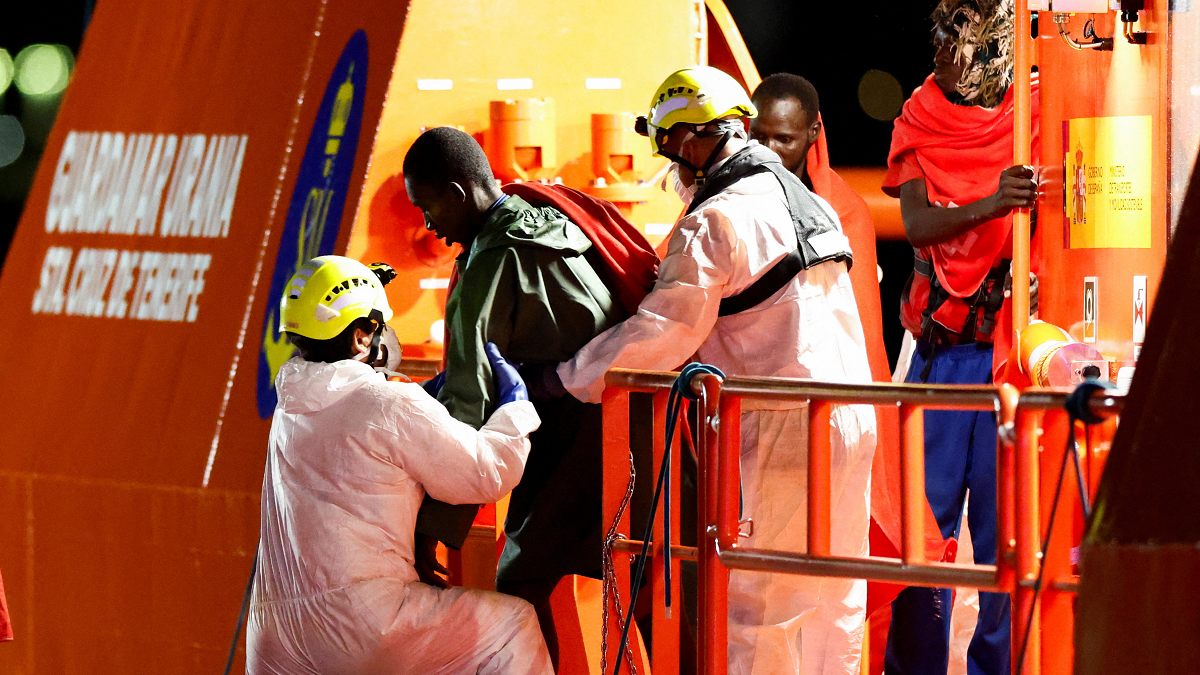
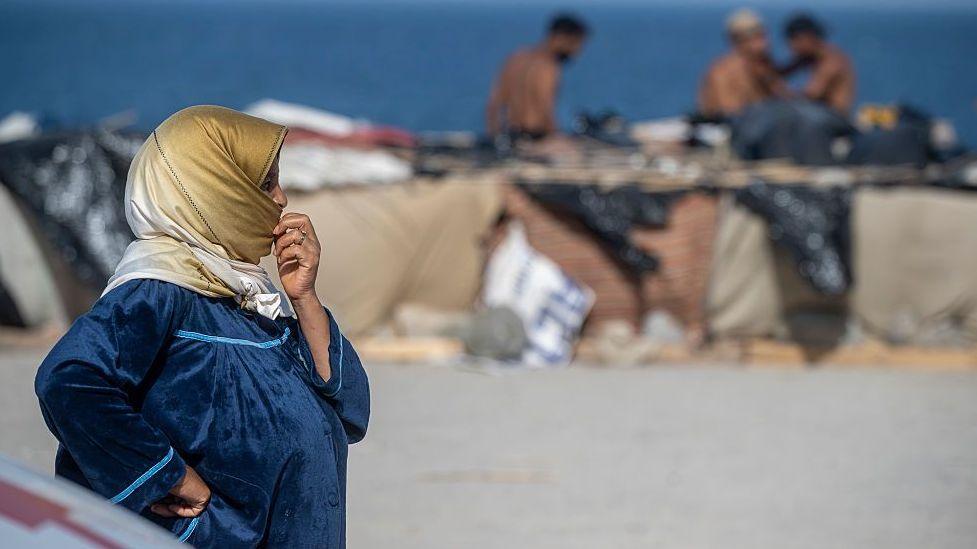
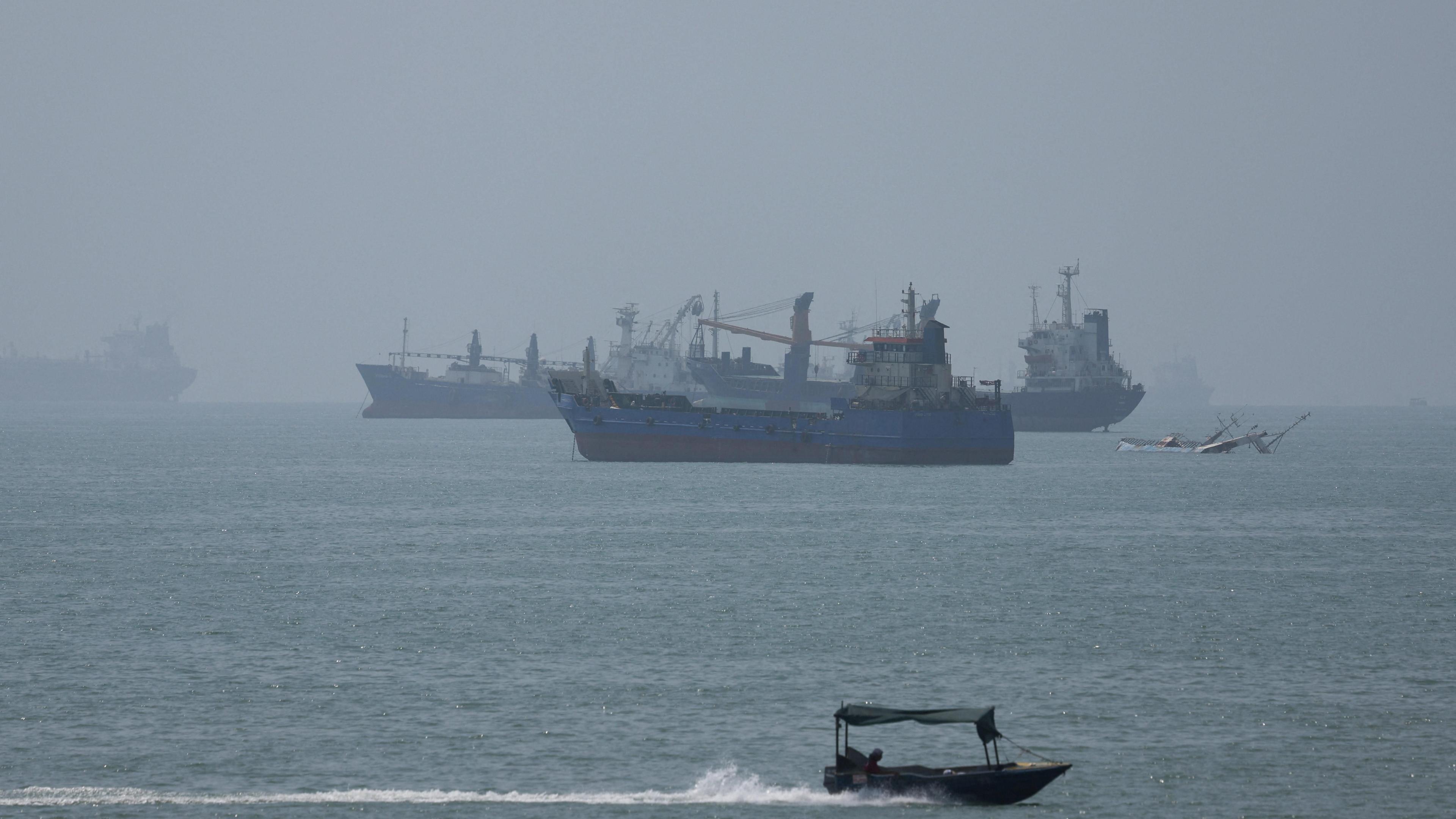
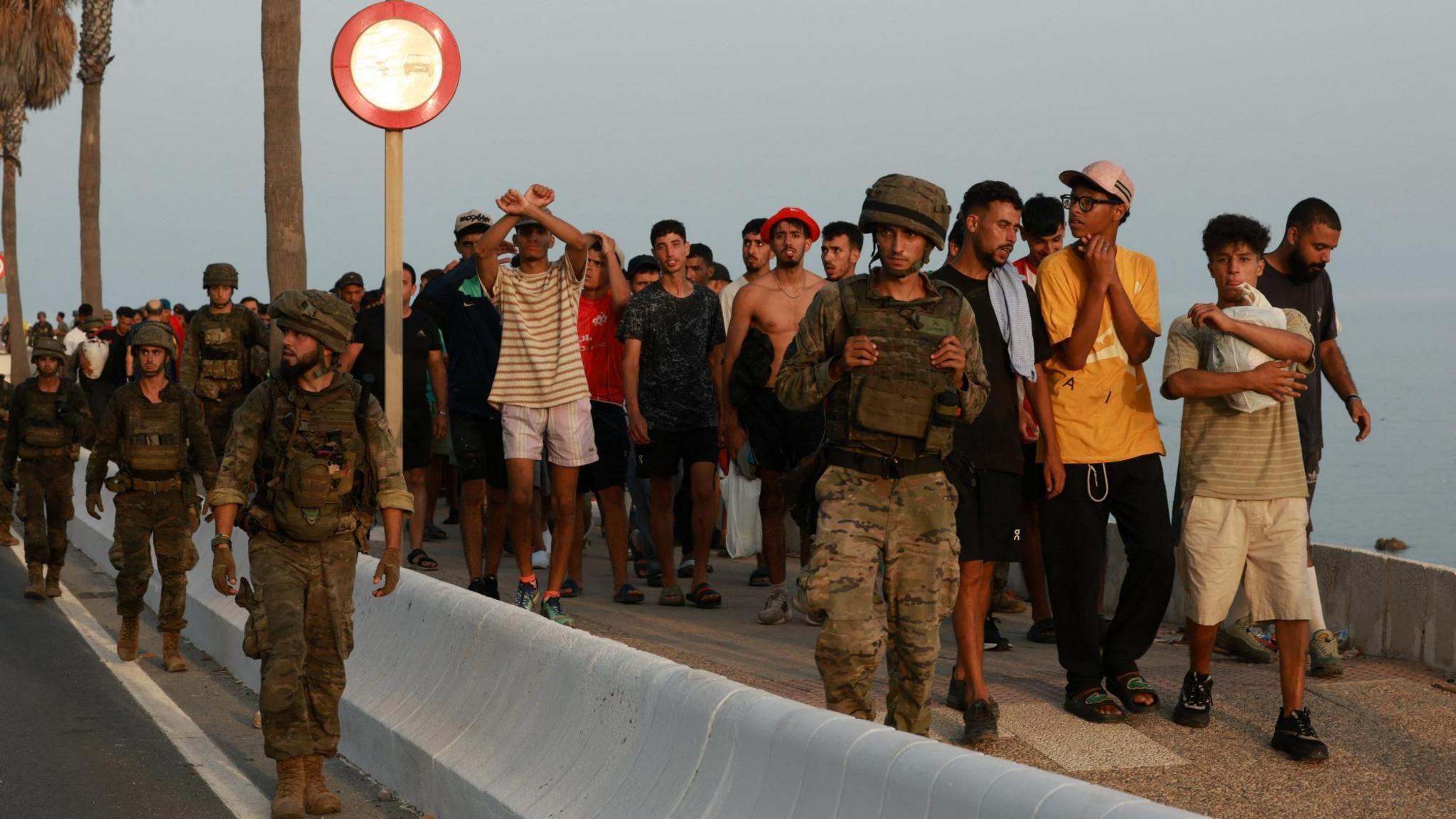
On the North African coast, tens of thousands of refugees made a harrowing swim into Spain’s autonomous city of Ceuta. Most people were escorted back to Morocco by Spanish soldiers and police, but 67 lives were lost in the sea—body bags found months later with rubber flippers and tires.
Rise of a Social‑Media‑Fueled Wave
The surge was amplified by viral footage and Instagram stories that painted Ceuta as a welcoming gateway to mainland Europe. Young migrants, many in wetsuits and wearing flippers, posted videos of themselves swimming across the beach, often captioned “Spain is open” or “we didn’t need smugglers.” The images quickly went viral, attracting tens of thousands of likes, yet the reality was stark: no food, no shelter, and no route onto continental Spain.
Political Fallout in Madrid and Rome
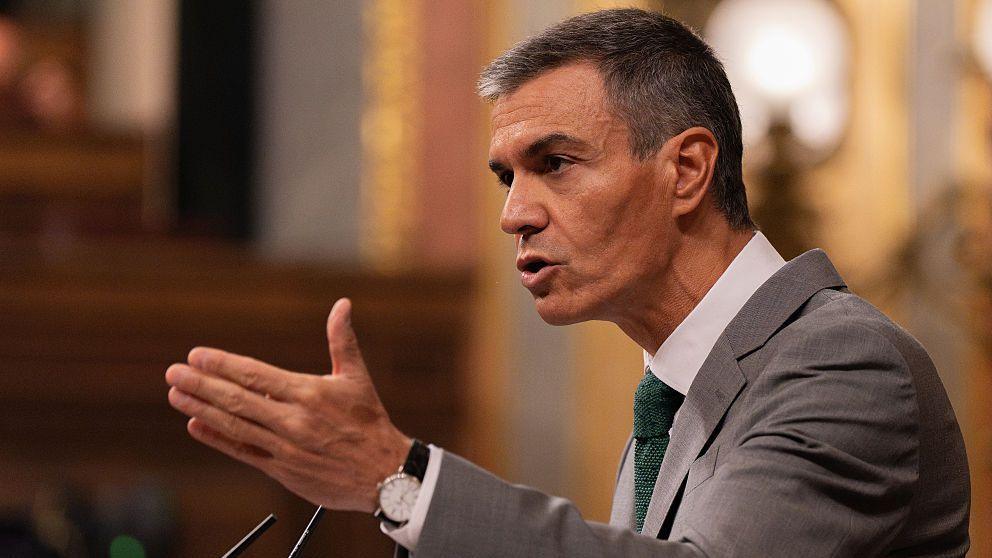
Pedro Sánchez’s government blamed the European Union—particularly Italy—for “attacking” Spain amid the crisis. Italian Prime Minister Giorgia Meloni, leading the hard‑right Fratelli d’Italia party, reacted by twice‑drawing Italy’s Schengen agreement with Spain and announcing a suspension of the free‑movement passport regime.
Spain counters that Ceuta lies outside the Schengen zone, and that the country’s open policy on regularising undocumented migrants is driven by labour needs, not insecurity. The Supreme Court’s ruling that refugees cannot be immediately repatriated after a sea crossing was cited as a legal defence, but was widely interpreted by smugglers as a loophole to lure young people.
Border‑Reinforcement Measures and EU Discussions
Spain has extended the sea‑fence off Ceuta, adding orange buoys and patrolling by fast‑craft to deter further swims. EU Interior Ministers are convening an emergency meeting to discuss external border strengthening, while European populists see Spain’s situation as a rallying point for anti‑immigration rhetoric.
The crisis has sharpened tensions between Spain and Morocco, though Spain’s president maintains a cooperative stance with Rabat, dismissing the idea that Morocco bears responsibility for the influx. In contrast, critics argue that Spain should exhibit a firmer stance on migration, reflecting the political divide within both nations.
The tragedy reflects a deeper struggle across Europe: balancing compassion for refugees with the political realities of an increasingly divided continent. The upcoming EU meeting will determine whether new border policies could hold back similar waves and signal whether such coups of migration can be unlearned in the era of social‑media amplification.