
In brief
Margaret Hamilton, the mathematician and software engineer who pioneered the systems that guided Apollo 11 to the Moon, died on 30 September 2026 at the age of 90. Recognised as the creator of the term “software engineering,” Hamilton led a team at MIT that developed priority‑driven code, ensuring the spacecraft could safely land despite computer overload during the historic mission. In 2016 she received the Presidential Medal of Freedom from President Obama, and her life story continues to inspire new generations of engineers and software developers. Hamilton’s contributions, remembered by MIT and celebrated worldwide, underscore the unseen foundations that make spaceflight possible.
Margaret Hamilton, the mathematician whose software guided NASA’s Apollo 11 crew onto the Moon, passed away on 30 September 2026 at the age of 90.
A pioneer long before the term “software engineer” entered everyday language, Hamilton led the MIT team that wrote and tested the in‑flight code which kept the astronauts safely in orbit and guided their descent to Earthless lunar surface. Their “priority‑driven” software halted background tasks when the onboard computer overtaxed, allowing the mission’s critical commands to run unhindered. The famous photograph of Hamilton standing next to a tower of printed code remains an iconic image of the day’s ingenuity.
MIT’s statement called her a “pioneer” and “ahead of her time”, noting that her relentless focus on robust and fault‑tolerant design keeps their legacy alive. The Institute remembered that she was the first programmer at MIT and the first woman hired for the project, emphasizing her trailblazing role for women in STEM.
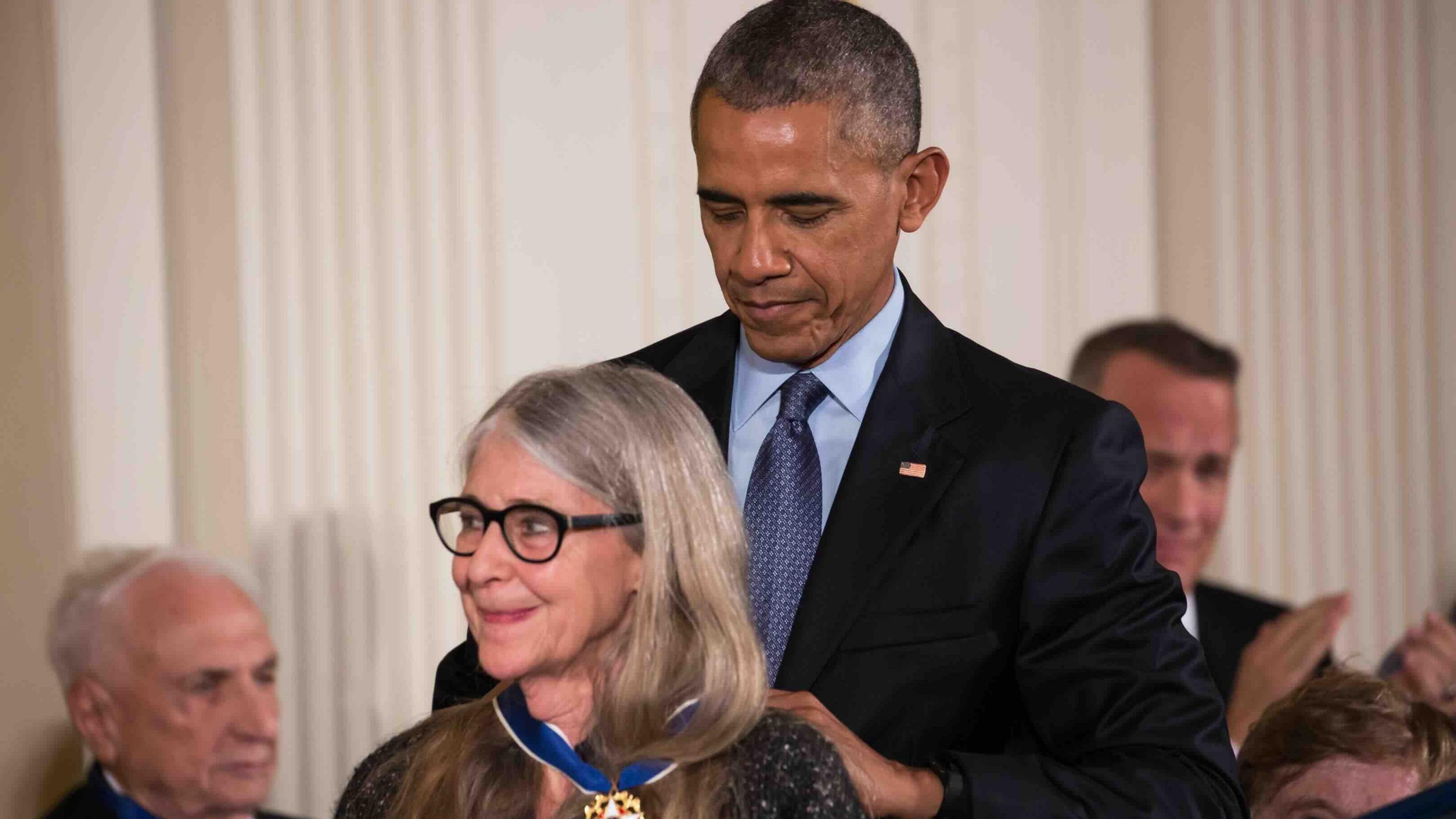
In 2016 President Barack Obama awarded Hamilton the Presidential Medal of Freedom, recognizing her as a symbol of the unsung engineers who pushed humanity beyond Earth. The honor highlighted her ground‑breaking contributions to the fields of science and space travel.
Born in Indiana in 1936, Hamilton earned her BA in mathematics from Earlham College in 1958 and later joined MIT in 1959, dedicating herself to the study of computation and theoretical problems that paved the way for software as we know it today. After the Apollo era, she founded two software companies – Hamilton Technologies – that continue to influence the industry.
Her family, including one daughter, a son‑in‑law, two grandsons and four great‑grandchildren, mourn the loss of a visionary whose work transcended the boundaries of space. MIT said, "Her pioneering spirit and remarkable legacy will continue to inspire generations of engineers and scientists across the globe."
Margaret Hamilton’s name will forever be etched in the annals of history, not only as the architect of one of humanity’s most daring endeavors but also as a trailblazer who cemented software engineering as a cornerstone of modern science.


