Police surge as protests spread across the country
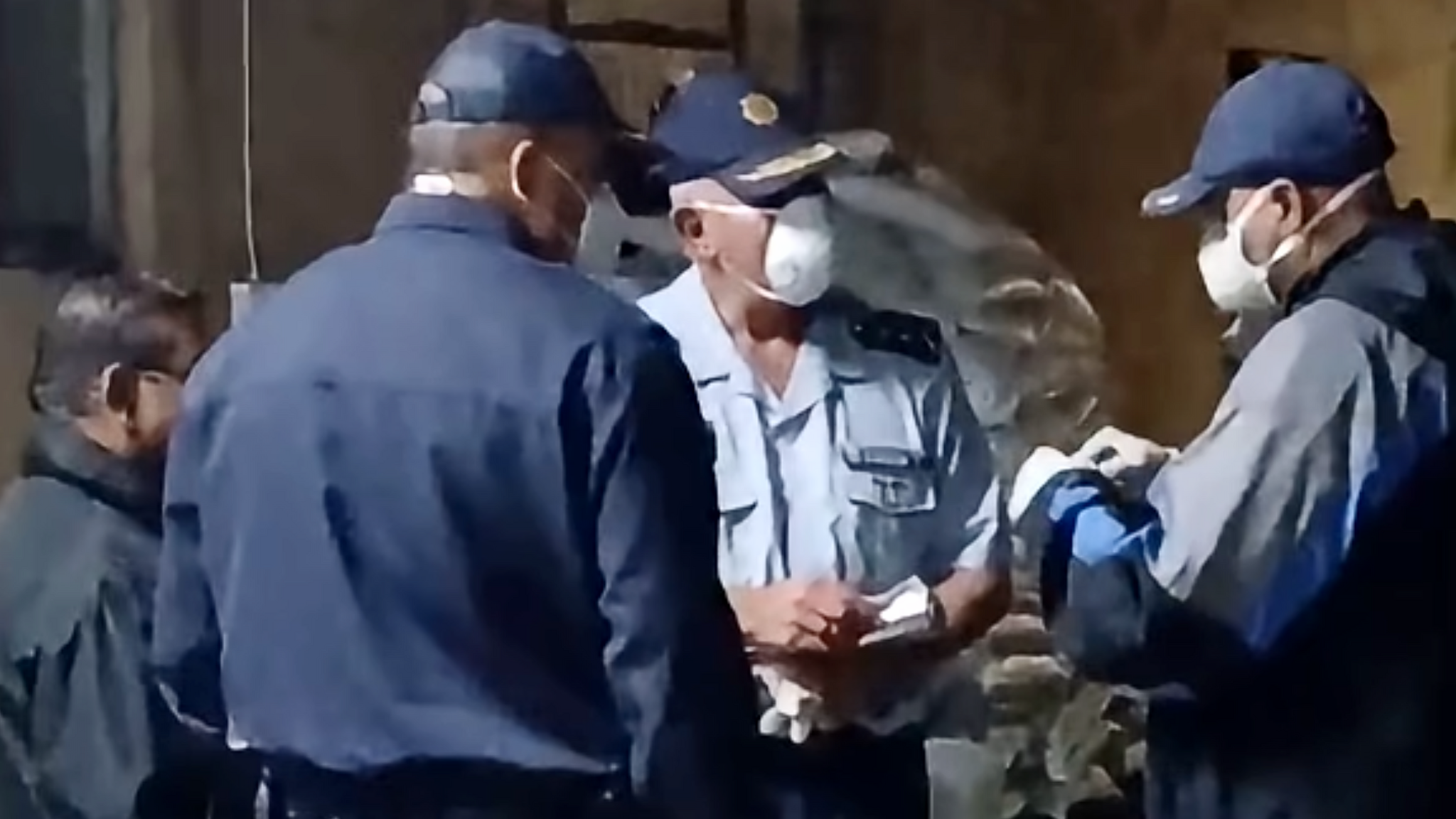
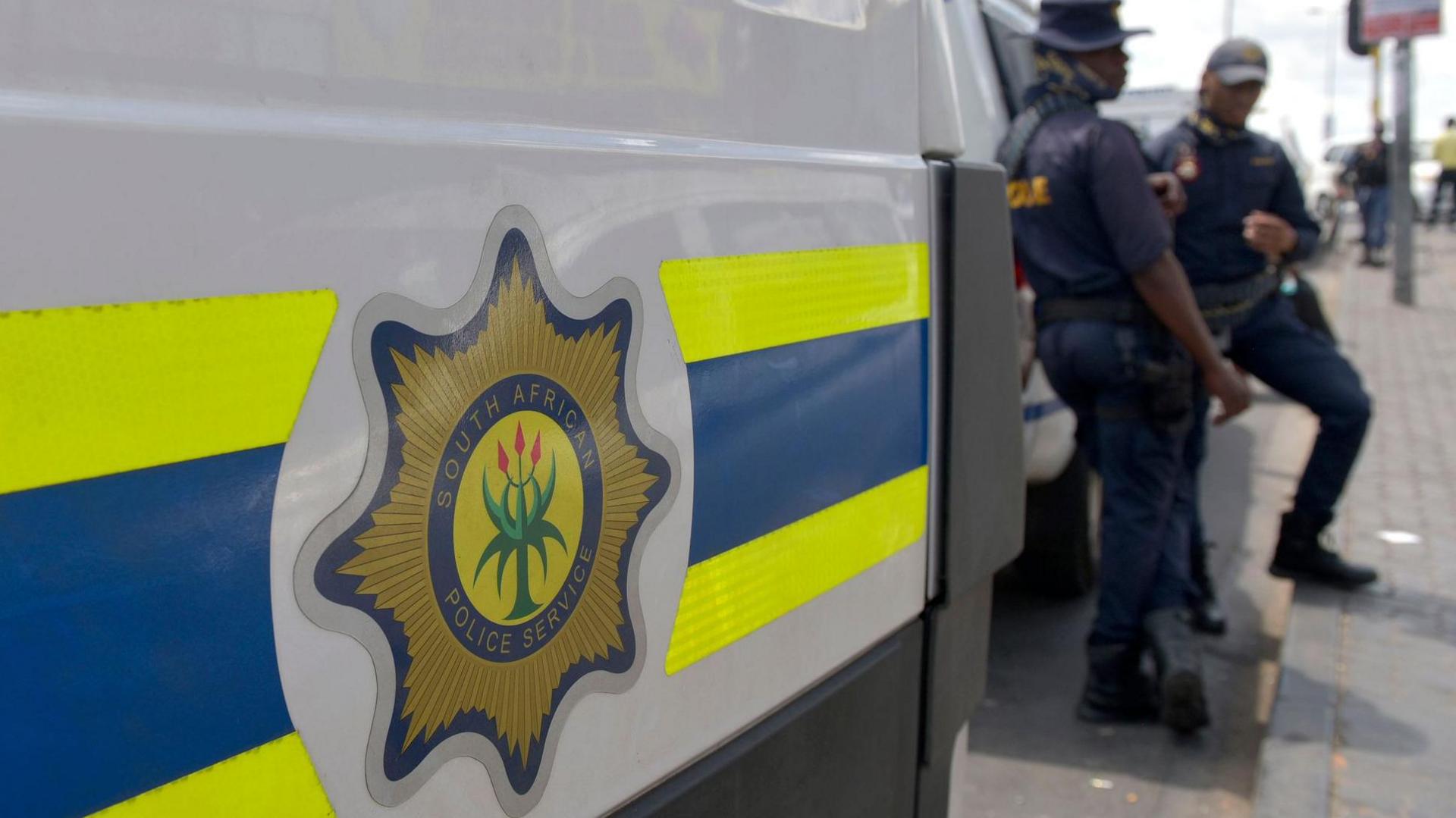
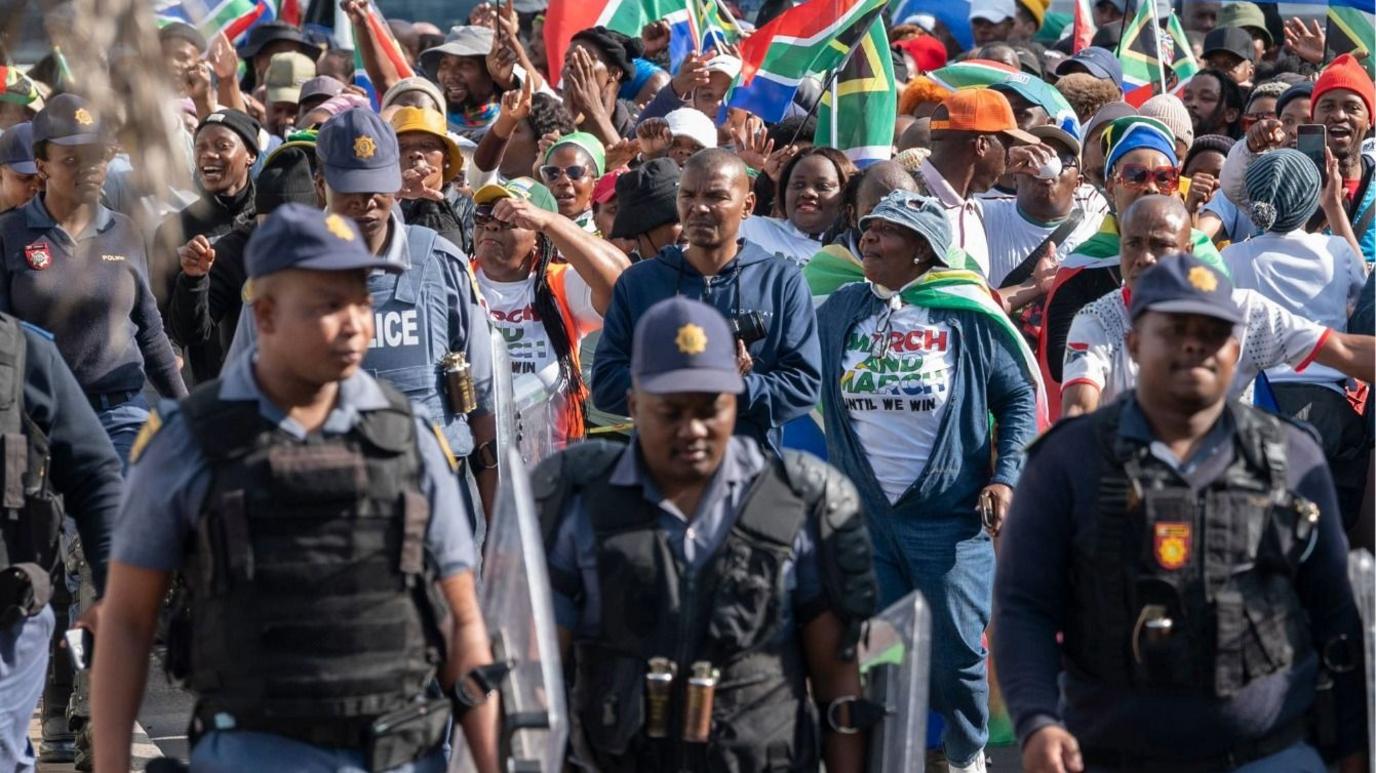
Heavy security presence is being deployed nationwide as fears grow that anti‑immigration protests could spiral into violence.
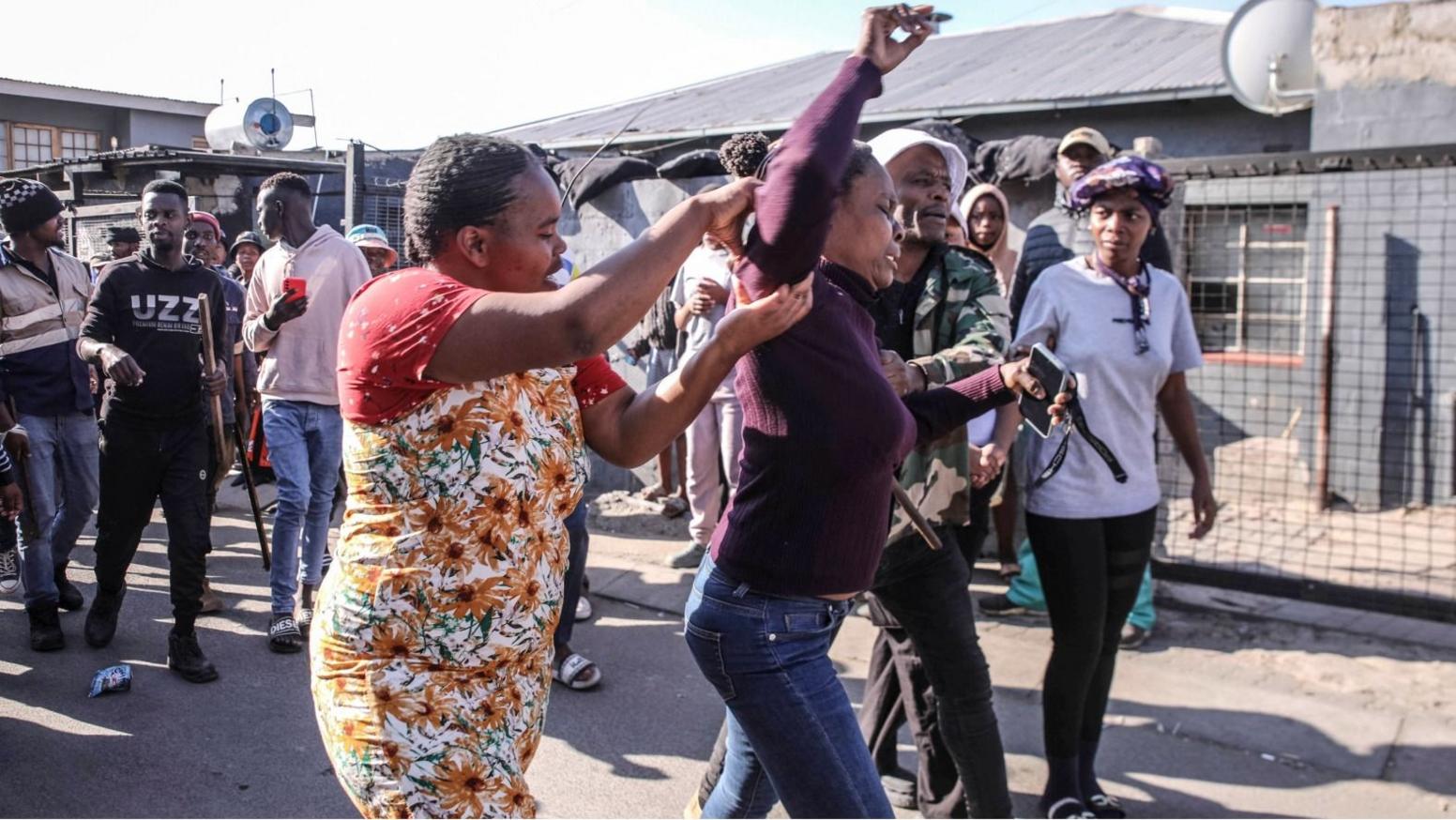
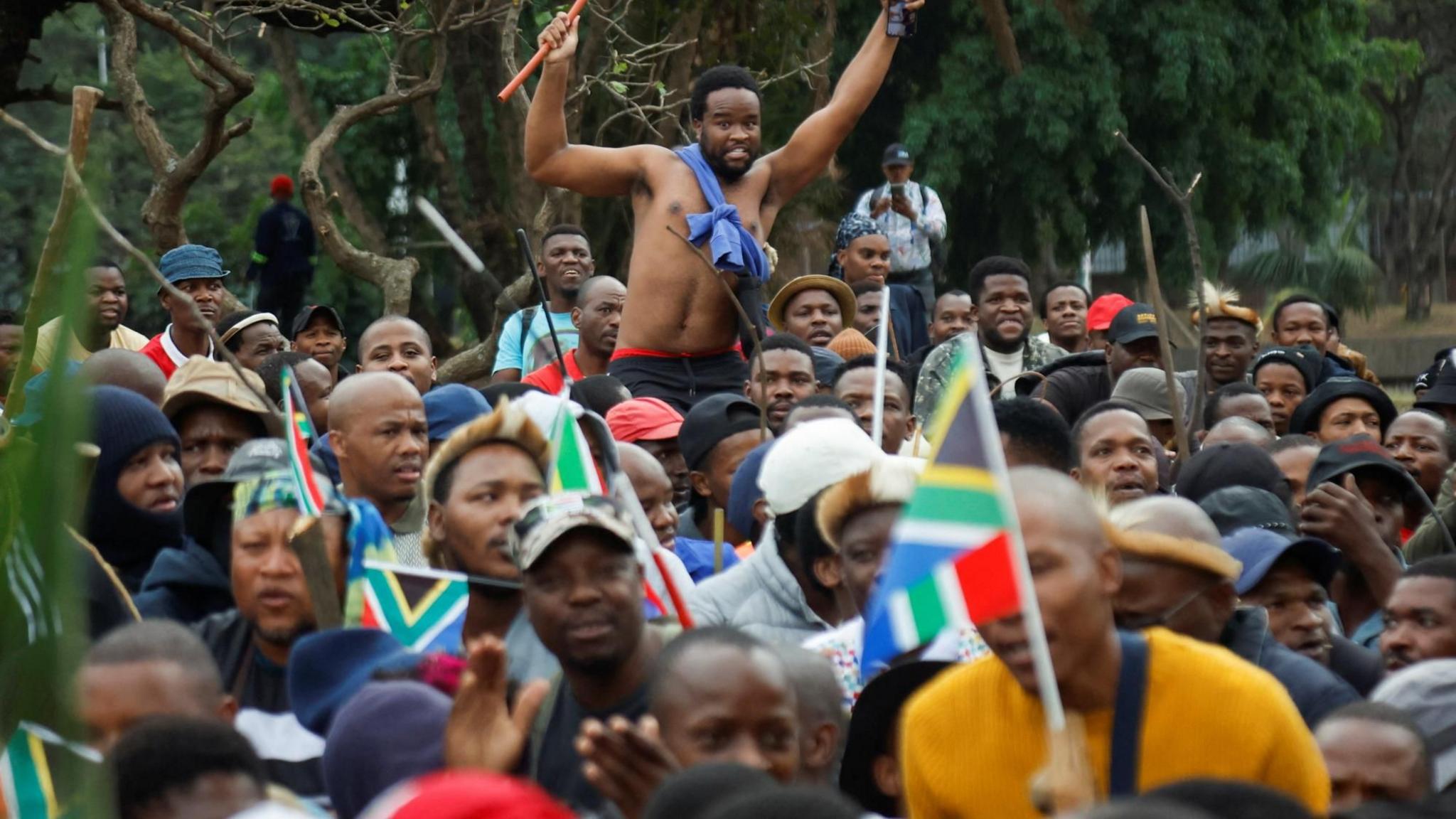
Protesters have set an unofficial deadline for all undocumented foreigners to leave South Africa. Many have already fled to escape the violence and intimidation reportedly occurring in towns throughout the country.
Police authorities say 25,000 migrants have been repatriated to date, most from other African states. One undocumented Malawian expressed both relief at returning home and heartache at leaving behind four children.
In Johannesburg, shopfronts are closed and a stunned quiet dominates the city centre. Police visibility is high on major streets and authorities have arrested five people in Soweto for allegedly looting a foreign‑owned shop, and another five in Hammarsdale for breaking into a tuck shop.
Durban’s businesses have shut down too, with a white tent camp for mostly Malawian refugees being dismantled as authorities clear the transit area. Women in sarongs queue to board buses heading back to Malawi, hoping to seek better prospects once home.
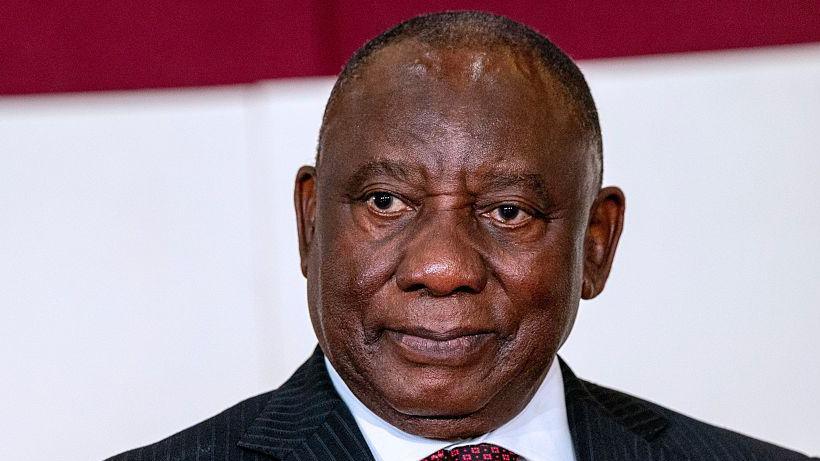
President Cyril Ramaphosa met protest leaders on the night before the marches in an effort to defuse tensions. He has repeatedly warned that while demonstrators have the right to protest, intimidation, threats or acts of vandalism are not acceptable. He reminded citizens that many foreign nationals are lawfully in South Africa and contribute to the economy.
Official figures report over three million documented foreign nationals in South Africa. However, many more migrants are believed to be in the country without papers – a long‑time issue of contention among the protesters. Police say about 50,000 undocumented migrants have been arrested since January for being in the country illegally.
Participants in Operation Dudula, the anti‑migrant group, said they would “push the police to do their job” if undocumented migrants did not leave. Meanwhile, thousands of migrants have been waiting in temporary camps for weeks, fearing for their safety.
South Africa’s history of xenophobia has seen past waves of protests resulting in fatal violence, with two people killed this year and over 60 dead in 2008 during earlier riots.