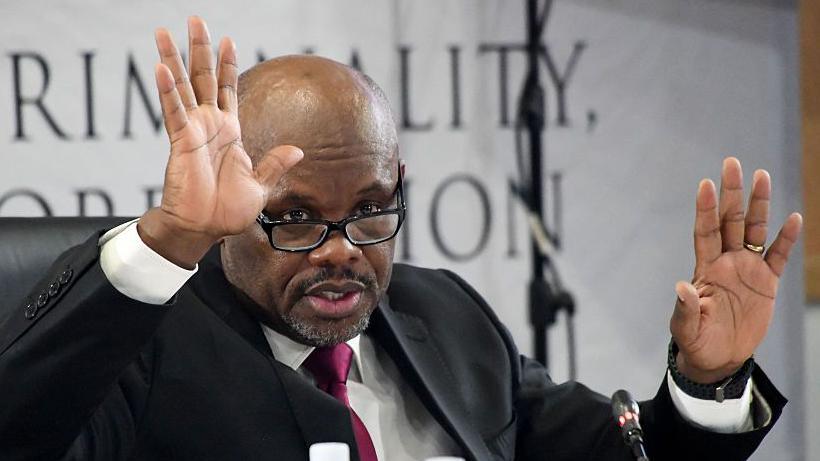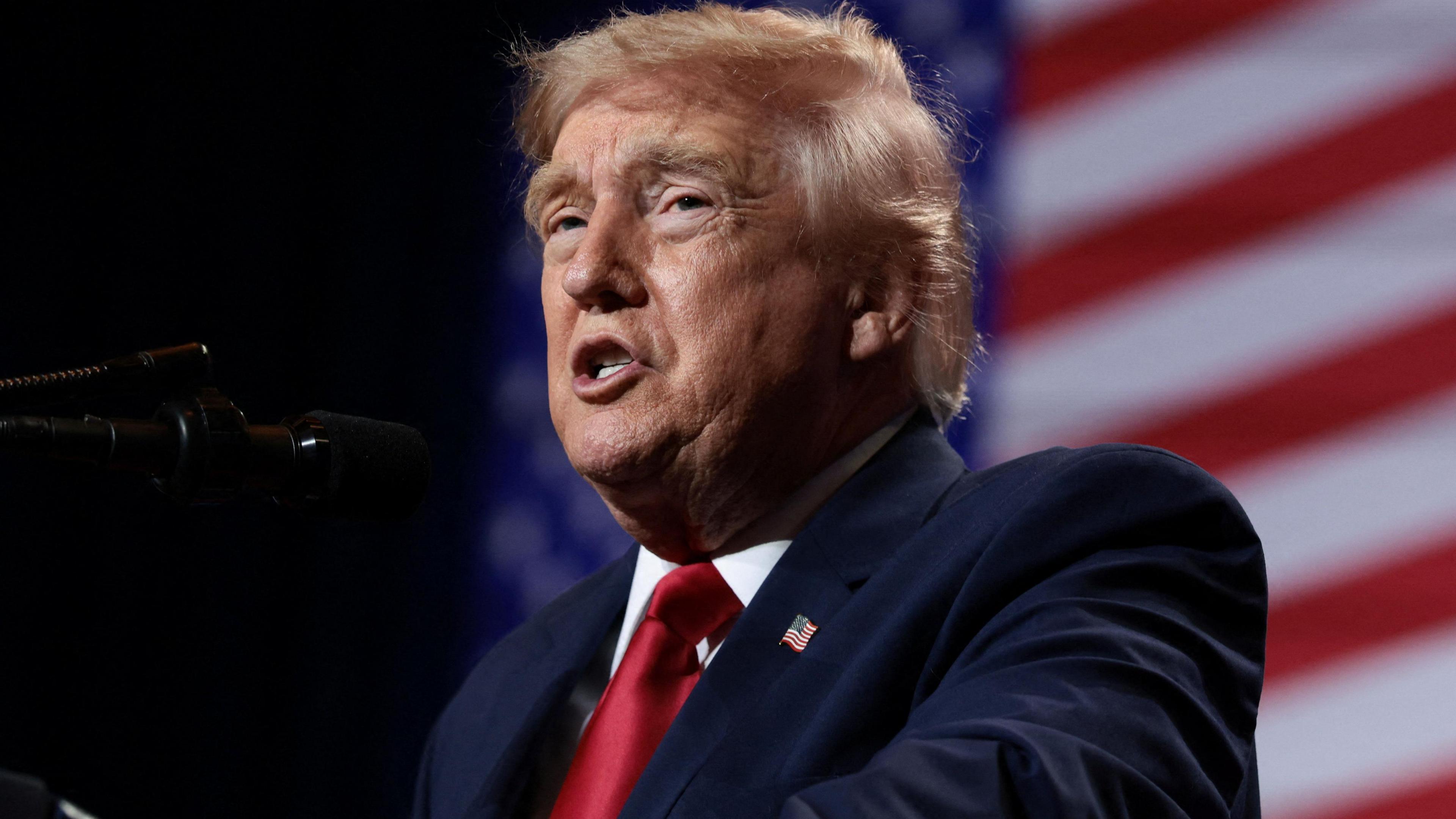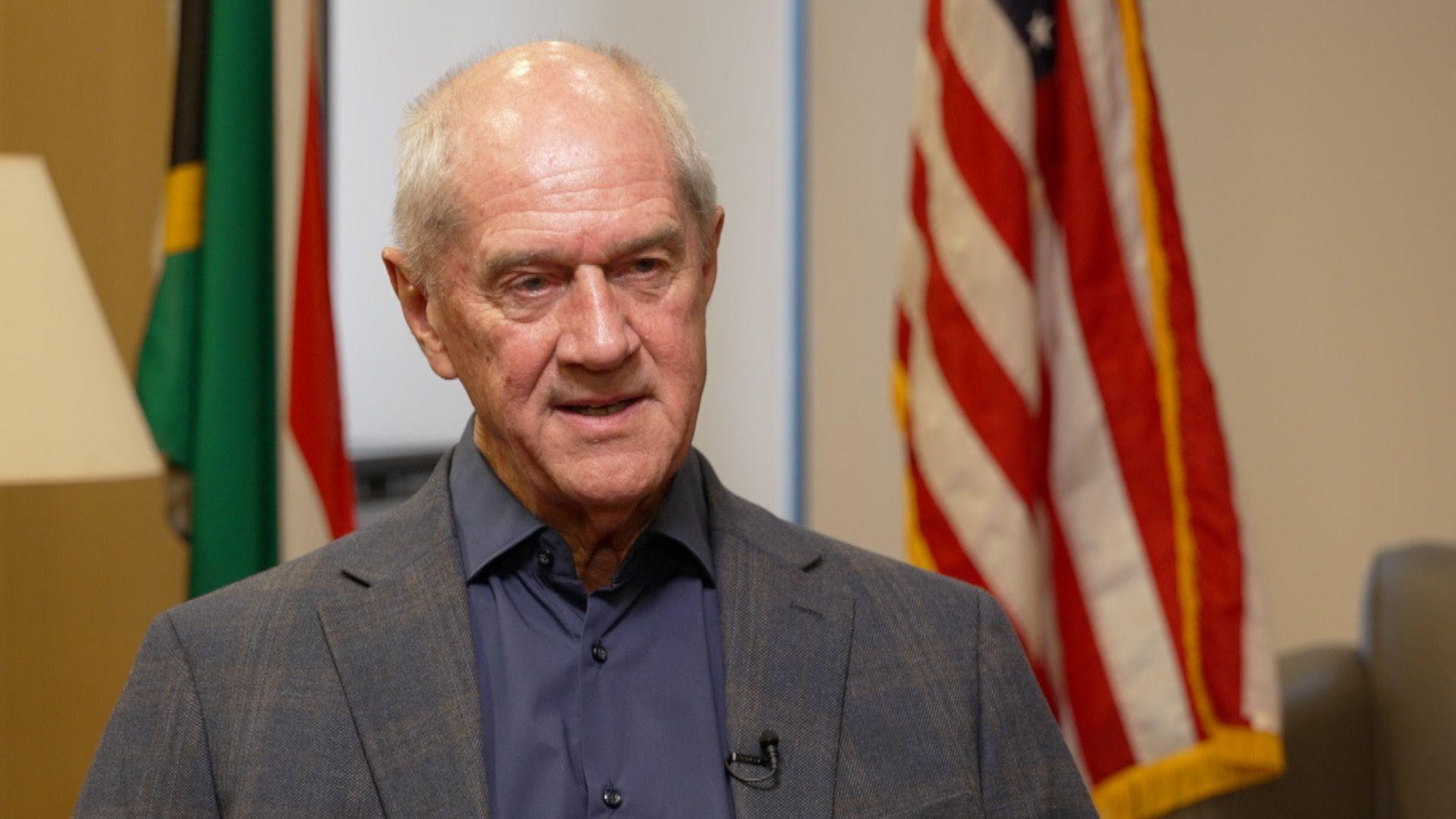

South Africa’s new ambassador to Washington, Roelf Meyer, wasted little time challenging President Trump’s claim that a genocide against white Afrikaners is sweeping the country. As a born Afrikaner and a former negotiator in the dismantlement of apartheid, Meyer asserts that he is uniquely qualified to speak on the topic.
In an interview with the BBC, Meyer said, “If the president is speaking about us, I can tell him there is no genocide. I have lived through the transition, seen the violence statistics, and this is a mischaracterisation.” His statement echoes the wider political consensus in South Africa, where every party has dismissed the white genocide narrative as false.
The U.S. has admitted almost 13,000 white South Africans under a Trump‑era refugee pathway launched last year. Critics say the programme focuses on a politicised narrative that overlooks the fact that the majority of violent crime in South Africa is committed against black communities.
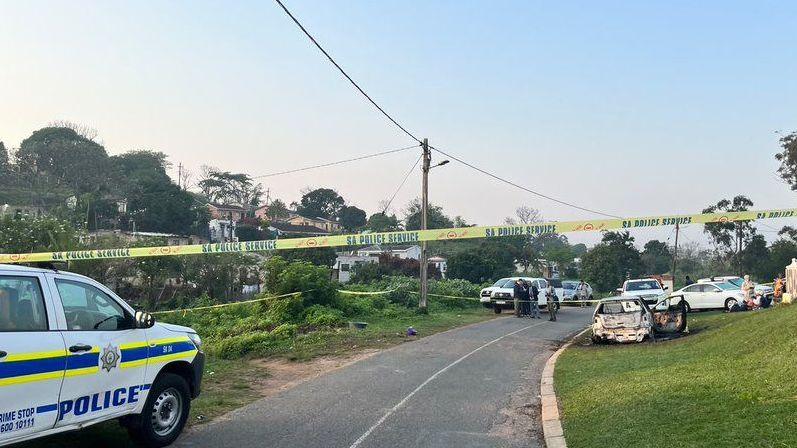
Meyer stresses that the core issue is not “farm attacks” or a threat to rural homes, but the broader crime crisis that affects all towns and townships. “Crime is not just rural. It is a nationwide problem that disproportionately impacts black areas,” he said, urging Washington to help with resources and equipment for South Africa’s police forces.
Amid the debate, an Afrikaner lobby group staged a vigil on the National Mall in Washington, placing thousands of white crosses to commemorate alleged farm‑attack victims. Meyer responded that such actions “do not help if we are not committed to change what is happening inside South Africa”.
The controversy also ties into U.S. discussions about South African laws that allow for land expropriation without compensation, a policy aimed at redressing historic racial inequality. Meyer insists that such laws have not been applied to undermine property rights worldwide and that South Africa remains open for emigration.
As the U.S. administration weighs further visa restrictions, the ambassador calls for a more nuanced, fact‑based conversation. He believes that a dialogue grounded in factual evidence and mutual respect is essential, especially as the world watches the unfolding socio‑political landscape of one of Africa’s most diverse nations.