Thousands of anti‑migrant protesters march in South Africa amid heavy police presence
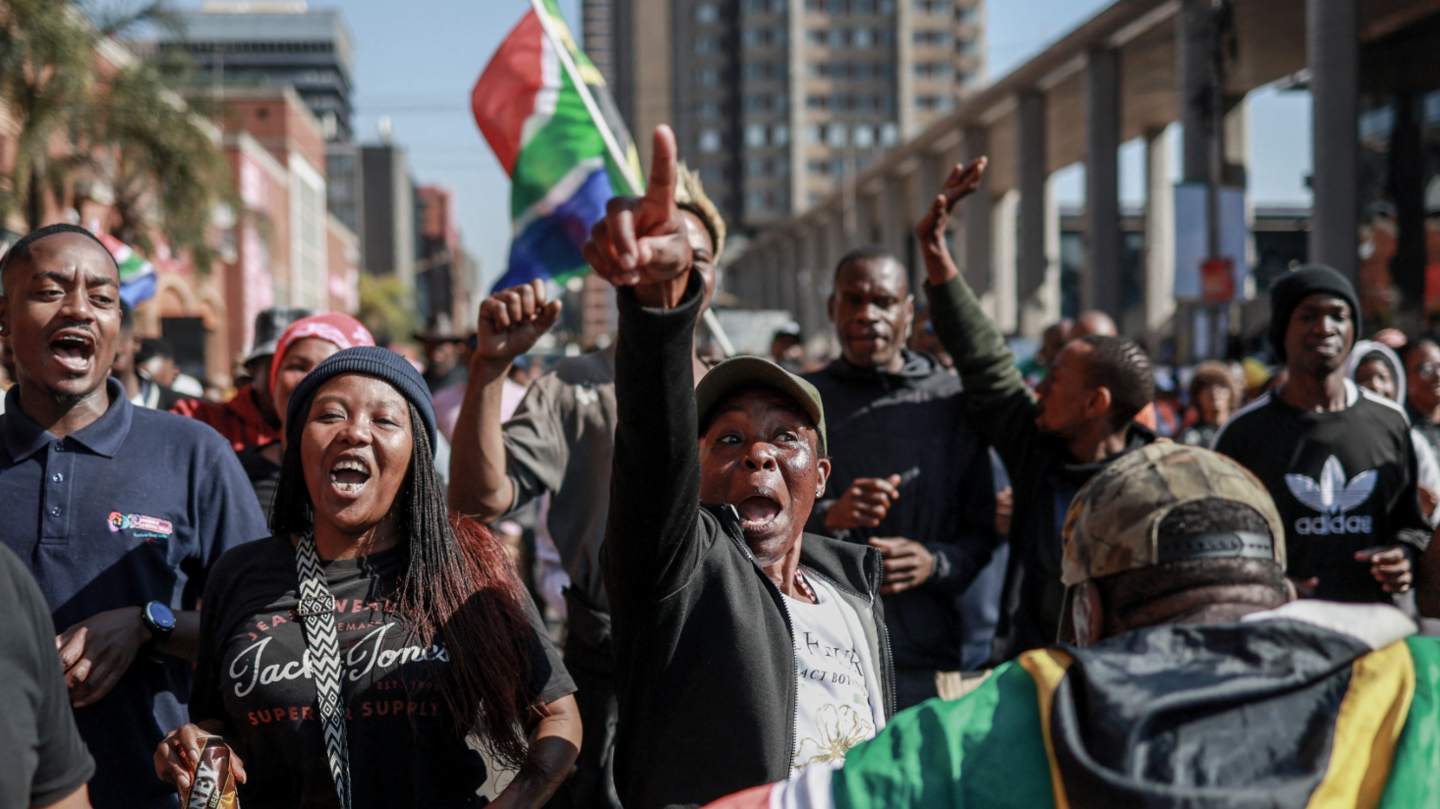
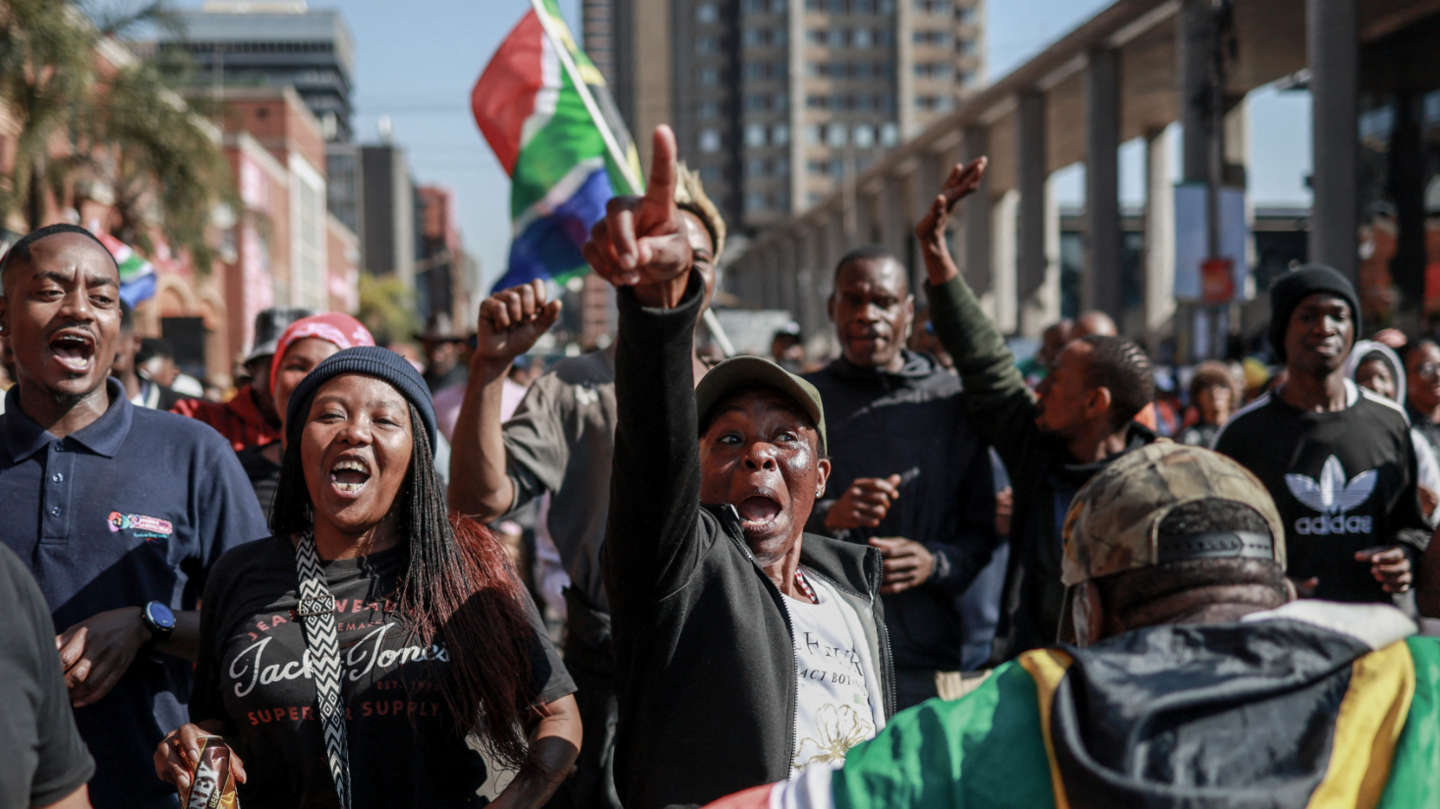
In the late days of June 2026, organised marches swept through South Africa’s major cities, with thousands demanding that undocumented migrants be removed from the country. The rallies were backed by a large police presence and private security guards, prompted by fears of escalating violence. Protest groups set a deadline for all migrants without legal status to leave by the following Tuesday.
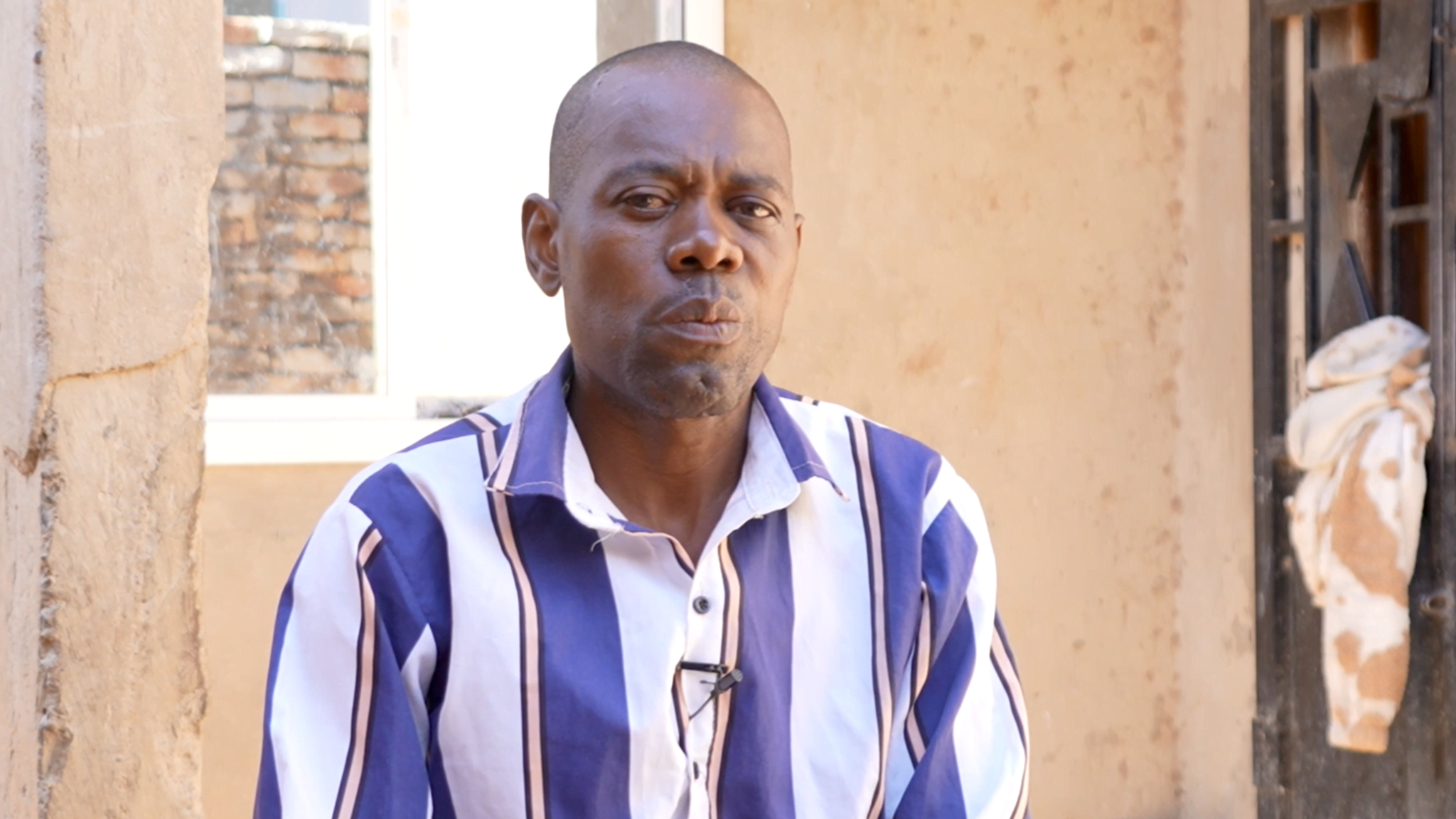
Policing bodies report that around 25,000 migrants—primarily from neighbouring African states—have already been repatriated. An unnamed Malawian participant described the experience as “heart‑broken” after saying he would go home with his four children, despite feelings of relief at finally leaving.
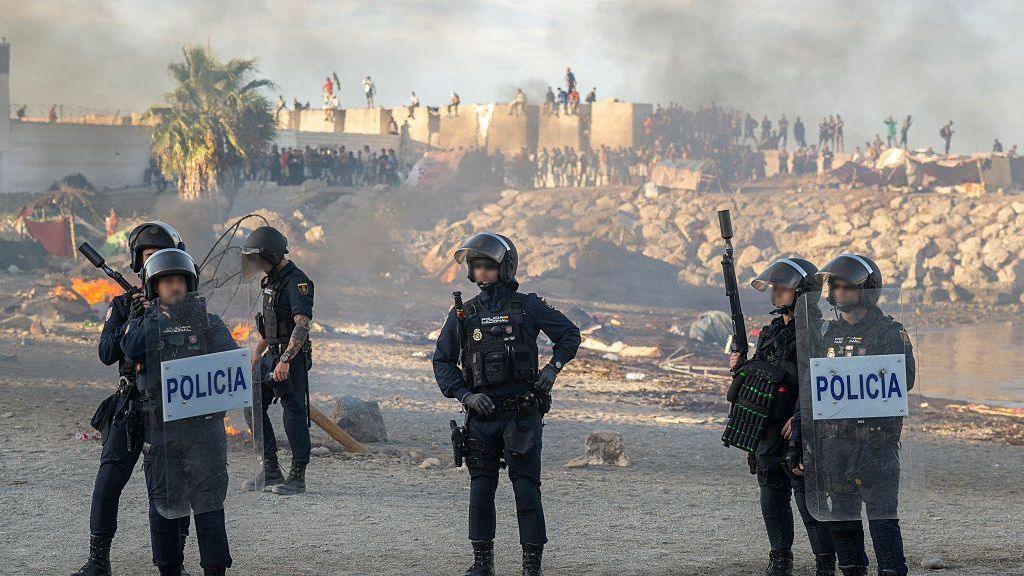
The protests remained largely peaceful in most areas, yet small pockets of violence emerged: a three‑armed attack in Hillbrow escalated into gunfire, a vehicle was torched in retaliation, and bricks shattered windows in Yeoville. In Johannesburg, police, upon receiving reports of a suspect’s assault, secured front buildings for the day and arrested five individuals over alleged shop looting. In Durban, business closures and the forced dismantlement of a transit tent housing many Malawians were witnessed.
Anti‑migrant groups, especially March and March, have pledged weekly demonstrations for half a year to force government actions. President Cyril Ramaphosa met with protest leaders to calm tensions, underscoring the need for immigration reforms while insisting on peaceful protest conduct. Education from the office of the Presidency highlighted that law‑ful residents are protected under South Africa’s laws and that general support for shared national identity is crucial in the midst of xenophobia.
Multiple reports suggest that xenophobia remains a persistent risk, with the “Xenowatch” tracker noting two deaths this year and over sixty fatalities during the 2008 riots. The ongoing protest movement underscores existing societal tensions while calling for comprehensive immigration reforms, balanced against the need for societal cohesion and protection for all residents in the rapidly urbanising landscape of South Africa.