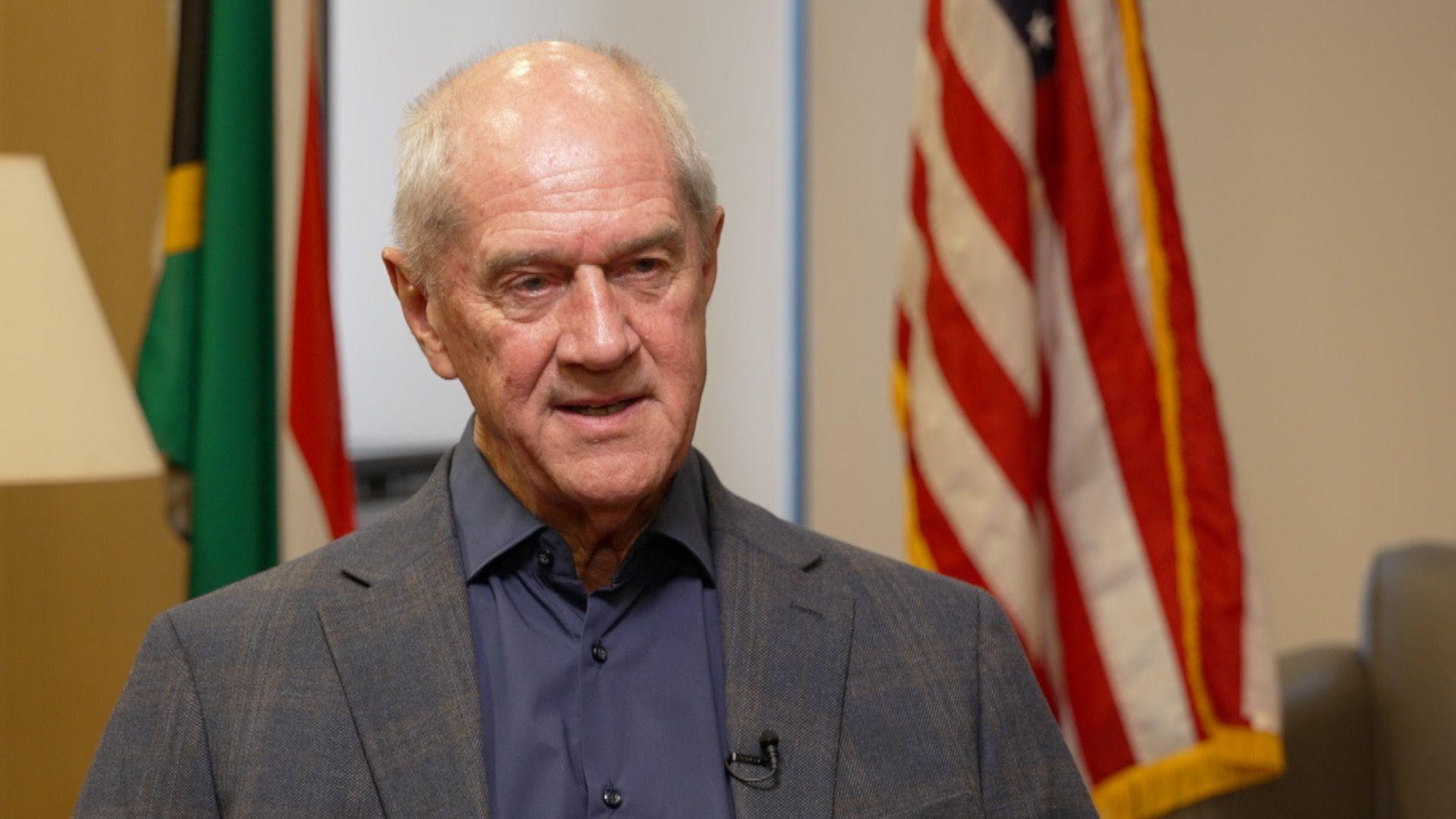

Roelf Meyer, South Africa’s new ambassador to Washington, dismisses former U.S. President Donald Trump’s claim that a genocide is underway against white Afrikaners. The ambassador, a born Afrikaner who played a key role in ending apartheid, says there is no “mass attack” on his community and that the claim is a misrepresentation of crime data.
In an interview with the BBC, Meyer stated, “The notion of a mass attack on the white Afrikaner minority in South Africa does not exist.” He added that his personal background gives him the legitimacy to refute the allegation. Meyer, who helped negotiate the end of apartheid, was appointed ambassador in April amid a cooling of diplomatic relations between the two countries.
Trump’s refugee pathway, announced last year, has admitted almost 13,000 refugees, nearly all of whom are South Africans. The policy builds on Trump’s claim that Afrikaners are being “raped, maimed, killed and driven off their property.” In contrast, law experts and South African officials argue that the refugee status is being applied to individuals who do not meet legal criteria for genuine persecution.
Mr. Meyer also addressed additional U.S. concerns about South Africa, including a proposed land‑expropriation law that allows the state to seize land without compensation in exceptional circumstances and a push for higher non‑white employment at South African companies. He stressed that the country’s crime rate, especially in black township areas, remains a broader issue that transcends the farm‑attack narrative.
The ambassador calls for the revocation of the Trump executive order that created the Afrikaner refugee program, arguing that South Africa has never blocked people from leaving and that it has addressed U.S. concerns. He invites the U.S. to provide support in counter‑crime efforts, such as faster police response equipment, rather than focusing on a single ethnic group.
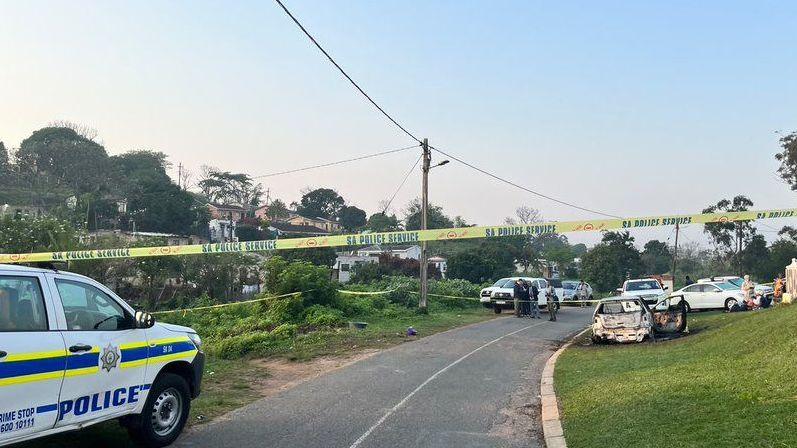
In Washington, an Afrikaner lobby group is holding a vigil on the National Mall with thousands of white crosses to commemorate alleged farm‑attack victims. Despite the protests, most South African politicians, including Afrikaner representatives, have repudiated the genocide claims and argued that crime statistics do not constitute persecution.