
In brief
South Korea’s new president has called for negotiations with North Korea to end the Korean War, still technically active since the 1953 armistice. His proposal includes a multi‑layered security system for the DMZ and a dialogue to halt North Korea’s nuclear and missile programmes. While North Korea has yet to respond, the move marks a significant shift from the hardline stance of former president Yoon Suk‑Yeol and signals a willingness to explore a path toward peaceful coexistence and potential unification.
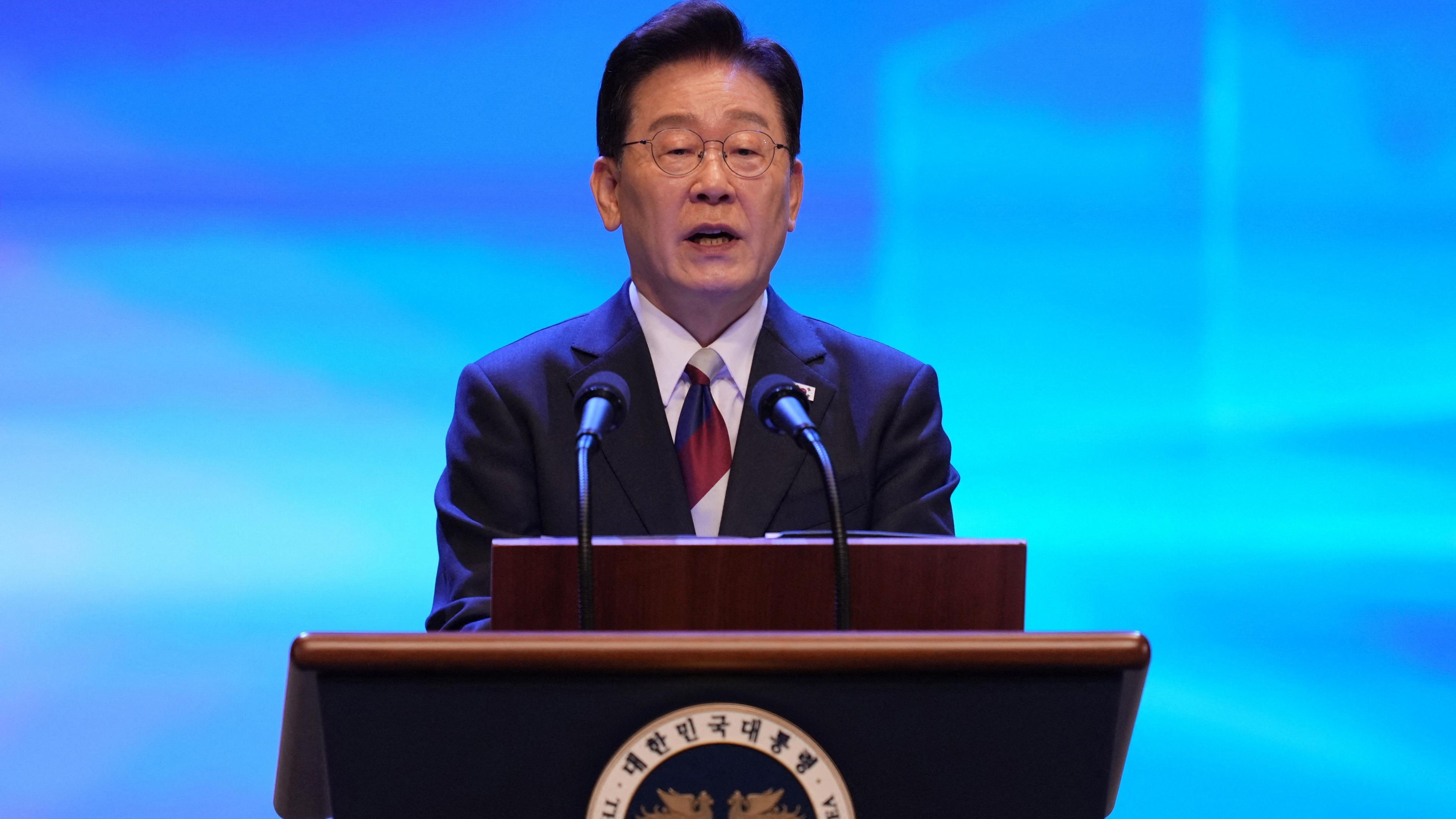
President Lee Jae‑Myung on August 15 outlined talks with North Korea aimed at formally closing the half‑century‑old armistice that has left the peninsula technically at war.
The proposal includes a “multi‑layered security system” for the DMZ and a discussion on how to curb Pyongyang’s missile programme. Lee said the talks should focus on “peaceful coexistence and mutual growth” and be a platform to halt nuclear ambitions.
North Korea has yet to respond. The regime, which declared independence as a nuclear power in 2022, has recently fired a ballistic missile and threatened to "occupy" the South. Meanwhile, the South’s premier has moved away from Yoon Suk‑Yeol’s hard‑line approach, seeking thawing ties with its North and China.
The Korean Peninsula’s war began in 1950 and ended with a 1953 armistice, but the lack of a peace treaty has kept the conflict in limbo. Lee’s remarks coincided with Liberation Day, commemorating the end of Japanese rule.
If the talks succeed, they could become the first real step toward integrating the two Koreas. The prospects, however, remain uncertain amid ongoing missile tests and the geopolitical pressures from the US, China, and the wider international community.
