South Korea Shortens US Military Drill Amid Diplomatic Tensions
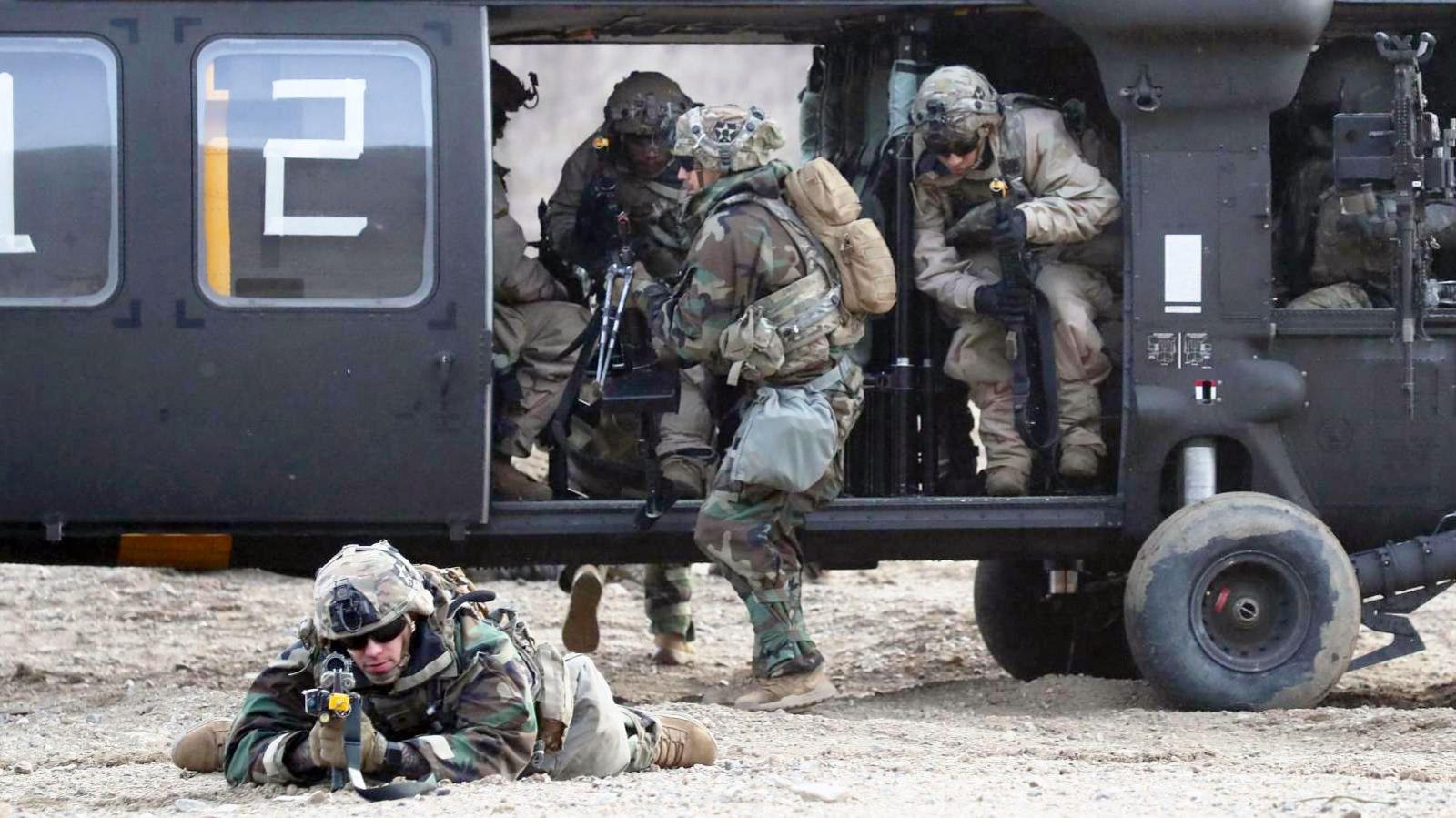
The annual joint military exercise that the Republic of Korea and the United States have been conducting for decades will now conclude on August 21 instead of August 27, a change announced by the South Korean defence ministry on Thursday. Washington’s request to shorten the drill, which has historically spanned ten days, came after the United States expressed a desire to adjust the exercise’s “period and scale.”
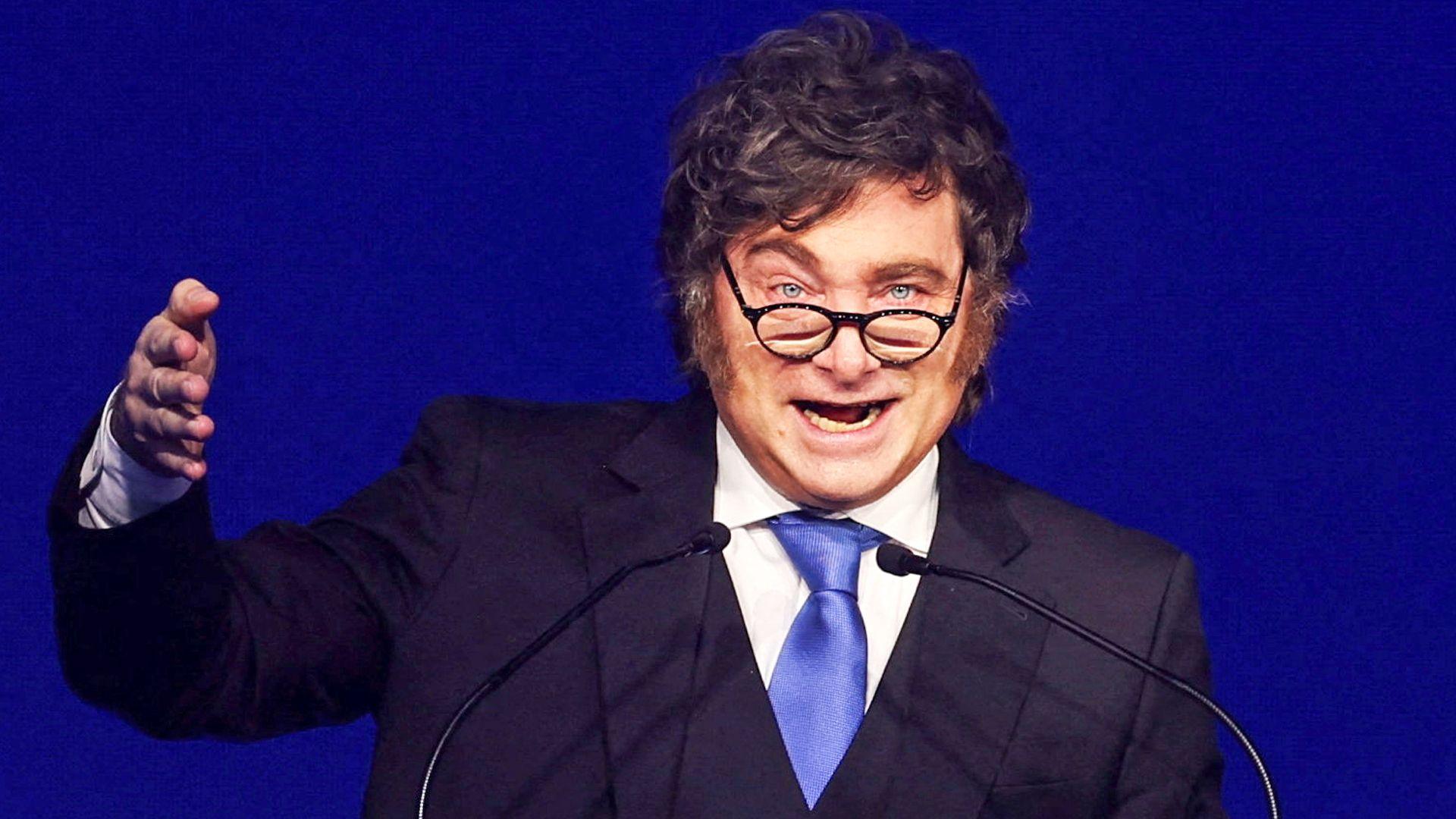
President Donald Trump, who has criticised Seoul for refusing to support a US‑led action in Iran, made it clear that he intends to meet Kim Jong Un later this year and that the decision to cut back on joint drills reflects Seoul’s reluctance to play a larger role in US foreign policy. The U.S. military spokesperson confirmed that the field‑training component of the exercise will also be partially reduced, although the precise contraction remains under discussion.
South Korean officials report that neither Seoul nor Washington had prior knowledge of Trump’s stance on the drills, raising questions about communication and coordination between the two allied governments. Kim Jong Un’s sister, Kim Yo‑Jong, defended the size reduction, stating that it does not alter the “hostile and aggressive essence” of the drill and that North Korea’s policy remains unchanged.
The trimmed schedule has already sparked disquiet among regional allies. Analysts note that nations such as Japan and Taiwan might reassess their security arrangements in light of the U.S.’s willingness to scale back its commitments in the Korean Peninsula. The dialogue surrounding this decision reflects larger geopolitical tensions, especially as President Trump’s public comments have repeatedly linked the South Korean stance on Iran to his broader diplomatic agenda.
With the exercise’s official end now set for August 21, the defence ministry is working with U.S. officials to refine the reduced agenda. The outcome of these adjustments will likely shape the future of military cooperation in the region and could influence how collective defence obligations are perceived on the global stage.