
In brief
In the past week, Spanish wildfires have scorched the countryside, forcing 70,000 people to evacuate and threatening dozens of communities. Heatwaves of up to 40 °C are expected to keep firefighting efforts hampered. Madrid’s regional leader Isabel Díaz Ayuso and Prime Minister Pedro Sánchez have visited affected areas, declaring the fire zones a disaster. While some evacuations have begun to reverse, temperatures and strong winds keep the crisis alive, leaving the government scrambling to save homes and preserve lives.
Spain's countryside is on fire. For the past week, firefighters have been battling a series of wildfires that have forced more than 70,000 people to evacuate and left dozens of communities threatened by flames.
Three major fires burning in the Madrid region have drawn special concern, with a new heatwave expected to hit Spain from Wednesday, heightening fears that firefighting efforts could be impeded.
"It’s a hell of a situation," said Madrid's regional leader Isabel Díaz Ayuso as she visited affected zones on Monday together with Prime Minister Pedro Sánchez. Sánchez echoed the recognition of fierce upcoming days, but also said light was beginning to appear "at the end of the tunnel".
Almost 56,500 people have been evacuated by the Madrid fires alone, with another 27,797 ordered to remain at home. The heat wave is predicted to keep temperatures near 40 °C, with Aemet warning that the fire danger level will rise to extreme, hampering firefighting work. Ayuso has described the fires as "the biggest natural catastrophe in the history of Spain" and compared the flames to a "war zone".
Interior Minister Fernando Grande‑Marlaska told Spain's La 1 that Monday night's firefighting had produced "relatively positive progress," and that the emergency was under control, though the weather was "not helping" him. "We must be positive; we have the emergency under control," he added.
In the Madrid region, a red weather warning stands in force, with temperatures reaching 35 °C in the mountains and up to 38 °C in other parts of the community. The national delegation in Madrid described the fire at the time of the latest briefing as "still active and uncontrolled," focusing next steps on surveillance and cooling of the affected areas ahead of expected weather worsening.
Across Spain, the government declared the affected areas as disaster zones, with President Sánchez condemning climate denial as "the worst fuel" for the climate emergency. The minister for ecological transition highlighted that the wildfire in the Ávila area is the largest in recent history, having scorched more than 50,000 hectares since the outbreak.
Meanwhile the official message from the Spanish government stresses that the crisis remains dynamic, with ongoing flare‑ups monitored by emergency services and cancellations or lifting of lockdowns in other municipalities as conditions change.
Alongside the Spanish fires, firefighters in Portugal are tackling a large fire on three fronts in the eastern Guarda region, illustrating the broader Southern European climate crisis.
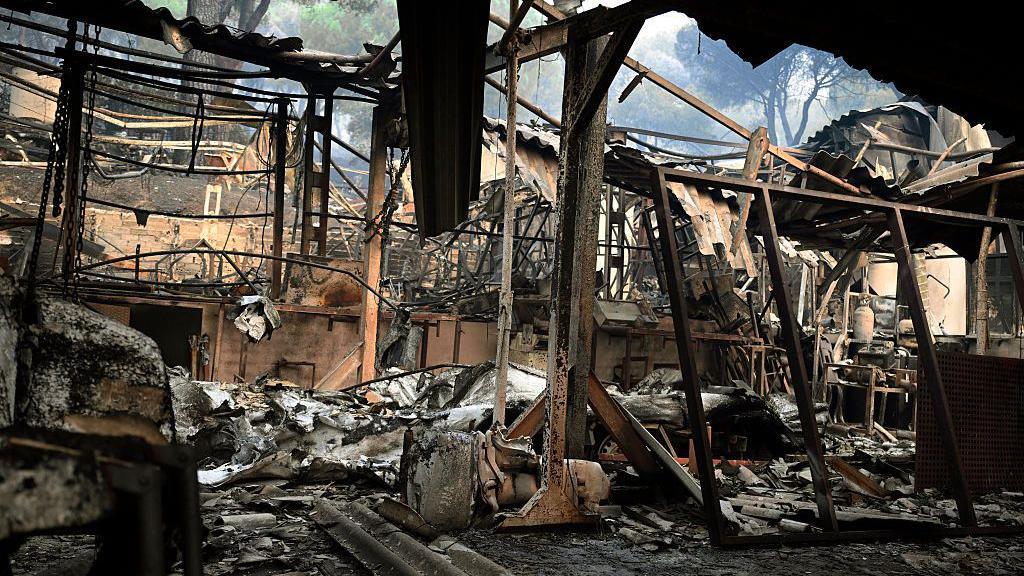
Photo credit: Getty Images. Image shows charred remains of a house burned in the Madrid wildfires, underscoring the scale of the devastation.

