Spain’s Housing Crisis Deepens as Govt Loses Vote After 87‑Year‑Old Woman’s Eviction Sparks Protest

Spain’s Congress has rejected a pair of emergency housing decree‑laws that the Socialist government presented after the eviction of 87‑year‑old Maricarmen Abascal drew nationwide protests. A single night’s vote saw both measures fall, with the first rejected 178‑172 and the second 184‑166.
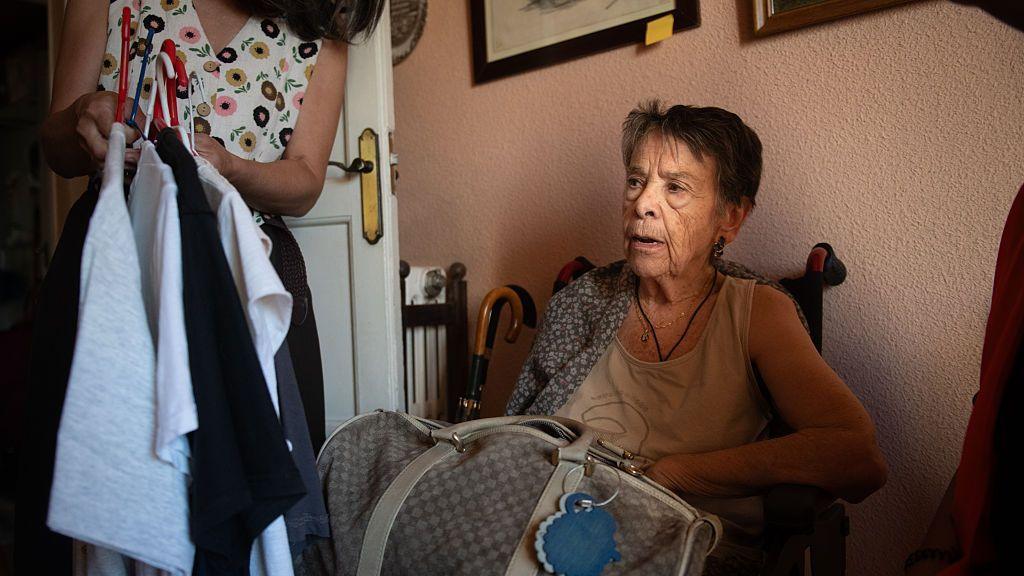
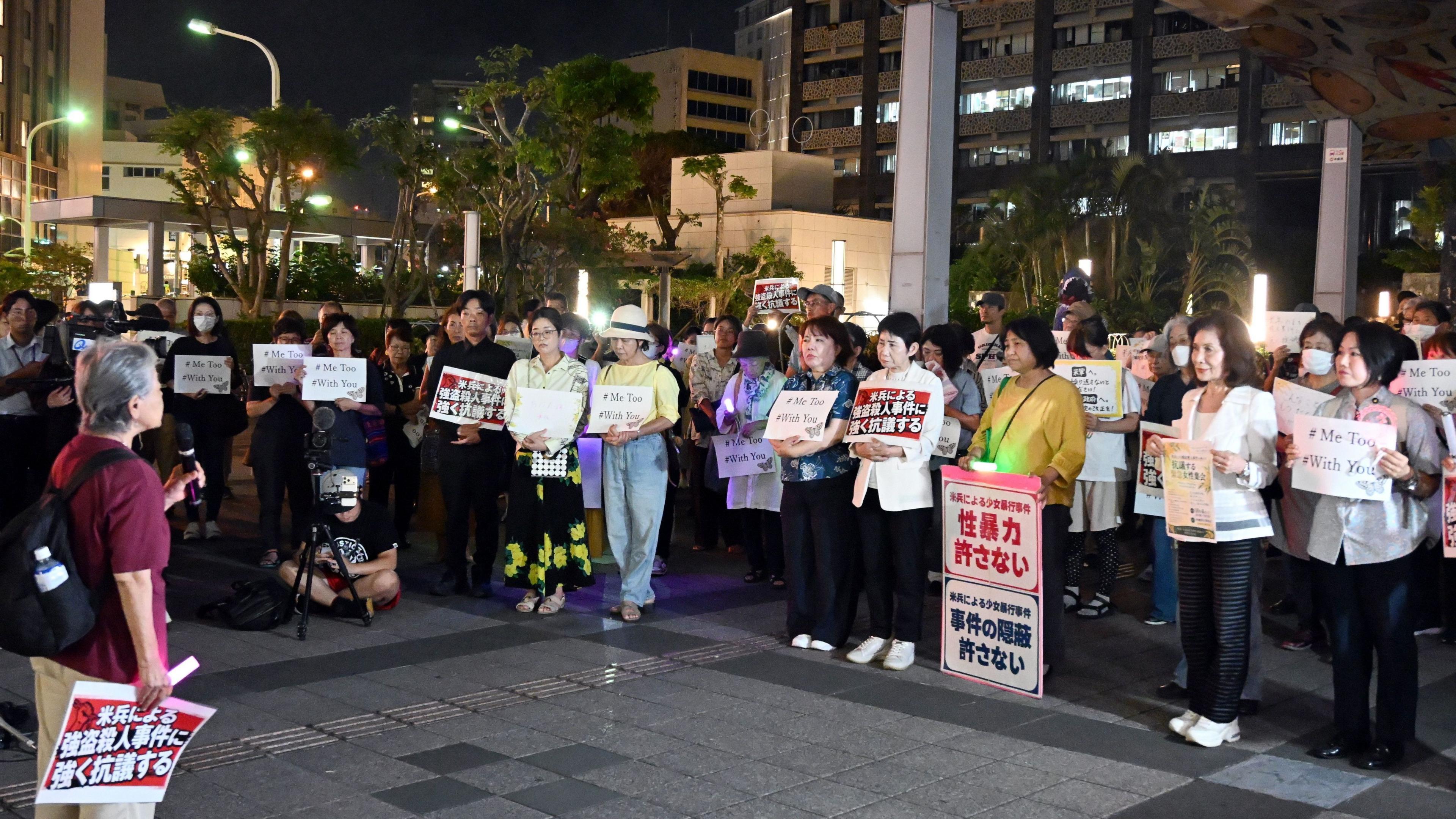
The eviction took place because Abascal could not keep up with a steep rent rise imposed by the property firm Urbagestión. The incident triggered a wave of protests across the country, with demonstrators occupying city squares and demanding lower rents and stronger tenant protection.
While the government had hoped the decrees would calm the unrest, the opposition from the People’s Party and Vox left the ruling coalition reliant on smaller regional parties. The centre‑right JxCat also signalled its opposition, leaving the measures without the majority needed for approval.
Among the measures was an eight‑year suspension of evictions for vulnerable tenants, a two‑year extension of leases set to expire before 2028, a tax increase for tourist apartments and restrictions on speculative buys by so‑called “vulture funds.” A second decree, more controversial, included automatic renewal of rental contracts, a point long championed by the tenants’ union.
With the vote clearly in their favour to disregard the new laws, the opposition shouted chants such as “shame on you” and “your profits, our misery.” The defeat casts doubt on Sánchez’s ability to govern and has intensified speculation that he may call an early general election, which has not yet been scheduled.
Following the rejection, the government said it would spend the weekend deciding whether to dissolve parliament. The crisis, already wrapped in scandals and judicial protests against the Socialist Party, is likely to continue as tenants and activists push for a deeper reform of the housing market.
In summary, Spain’s housing emergency has moved from courtrooms to the halls of parliament, revealing the fragility of Sánchez’s government and the urgency felt by citizens grappling with unaffordable rents.