In a sharp diplomatic turn, Spain’s government has warned that Italian authorities will face counter‑measures if the European nation does not lift the travel restrictions imposed after a sudden influx of Moroccan migrants crossed into the Spanish enclave of Ceuta.
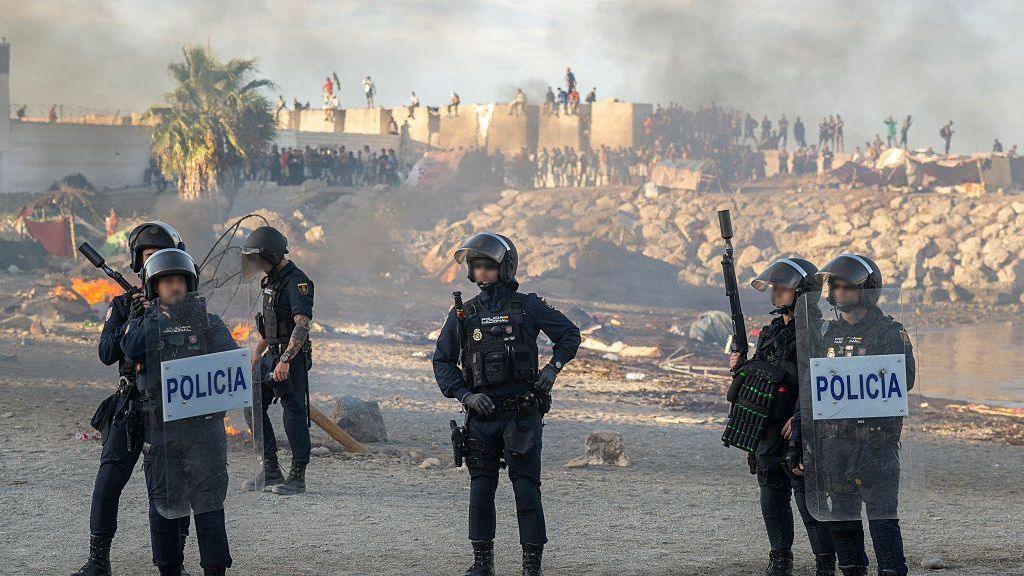
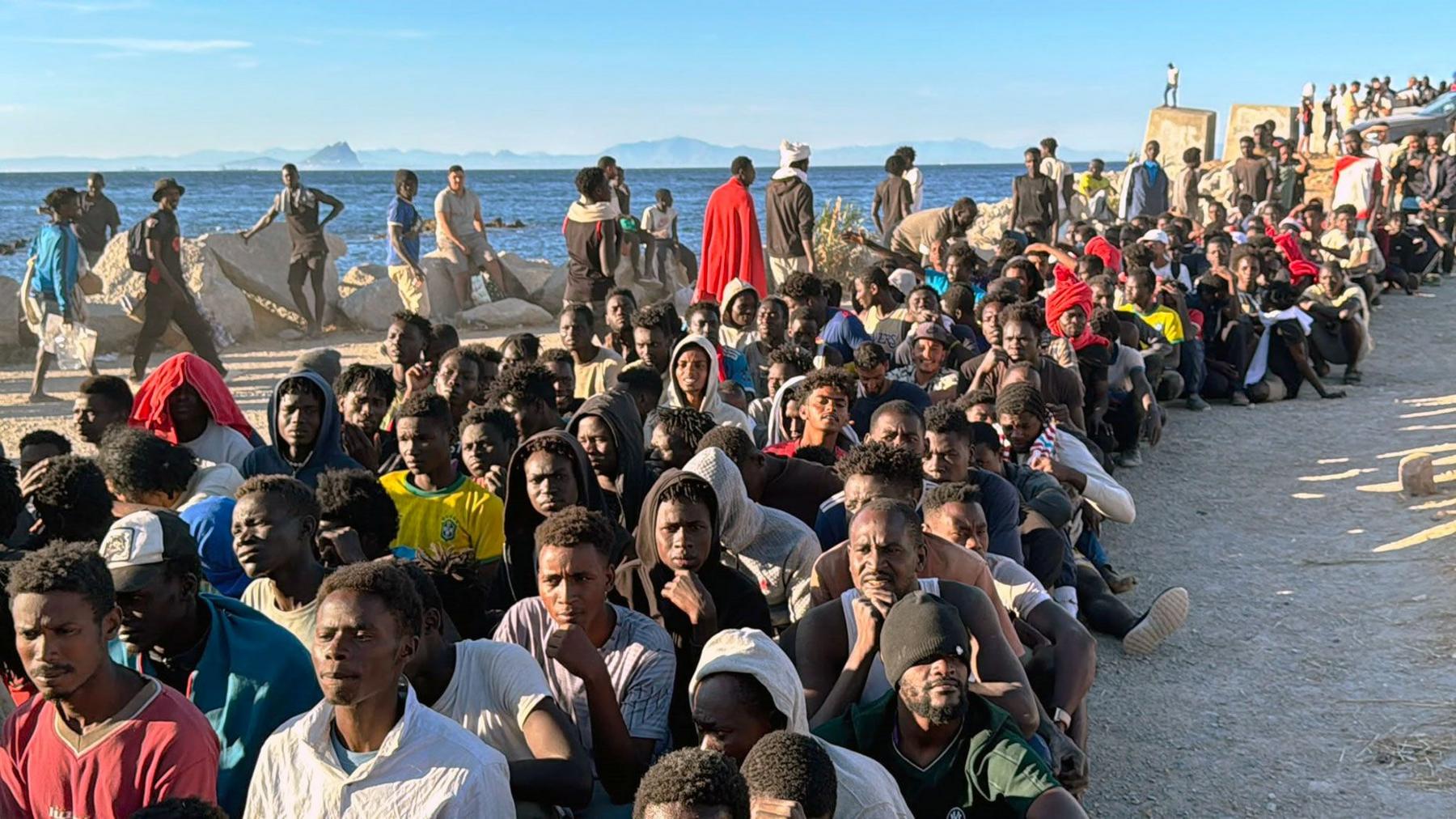
The crisis began when approximately 78,000 migrants from Morocco arrived – by sea, foot and at times by boat – in the span of two days. The crossings were marked by tragedy; police estimates suggest that roughly one hundred people lost their lives during the chaotic journey.
Italy’s response
To prevent the migrants who entered Ceuta from moving onward into Italy, Rome temporarily suspended certain aspects of the Schengen arrangement with Spain. The measures included closing maritime and air points of entry and tightening land‑border checks, actions that Italy’s foreign ministry framed as necessary for its national security.
Madrid slammed the decision as “unjustified” and “discriminatory against the Spanish population,” demanding Rome reverse the measures by 9 August. It also warned that if Italy failed to comply, Spain would introduce “proportionate measures” to protect the interests and dignity of its citizens, though the specifics remain undisclosed.
Rome’s Foreign Minister, in turn, rejected the notion of unilateral ultimatums, stating that Madrid’s stance was based on “spurious arguments.” Italy argued that it had no legal or practical path for the migrants to cross into its territory, thereby rationalising the Schengen suspension.
The standoff has reverberated across the European Union. While Finland and Denmark supported Italy’s temporary suspension, the Czech Republic urged for Spain’s membership to be temporarily suspended, highlighting growing polarization over open‑border Europe.
At the heart of the crisis lie deeper questions of security and sovereignty. The Spanish Supreme Court’s ruling that migrants stranded at sea attempting to reach Ceuta or Melilla cannot be summarily returned to Morocco has emboldened some traffickers. Moroccan officials have blamed the sudden influx on a collapse of deterrence mechanisms, allegedly triggered by the court’s decision.
Human cost and current situation
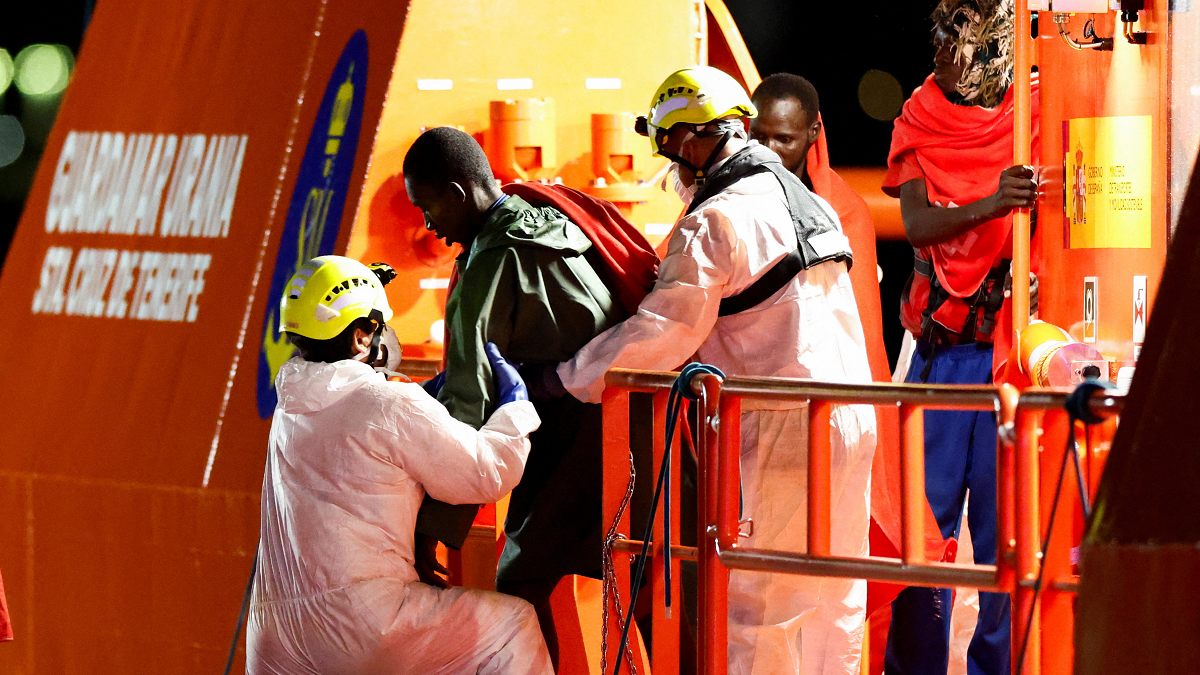
By the end of the crossings, nearly 1,400 minors remained in Ceuta. Spain’s Youth Minister confirmed that the system was overwhelmed but had since started to bring conditions into order, prioritising the most vulnerable cases.
The incidents have undeniably strained diplomatic ties between Spain’s socialist government and Italy’s conservative leadership, underscoring the precarious balance between migration management and democratic principles within the EU.