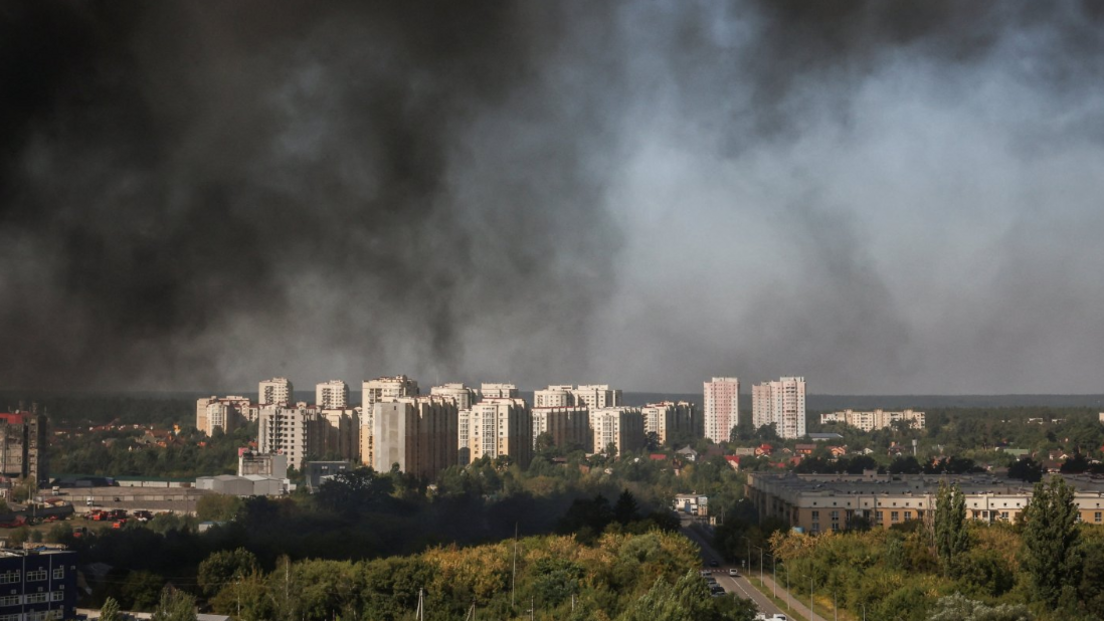
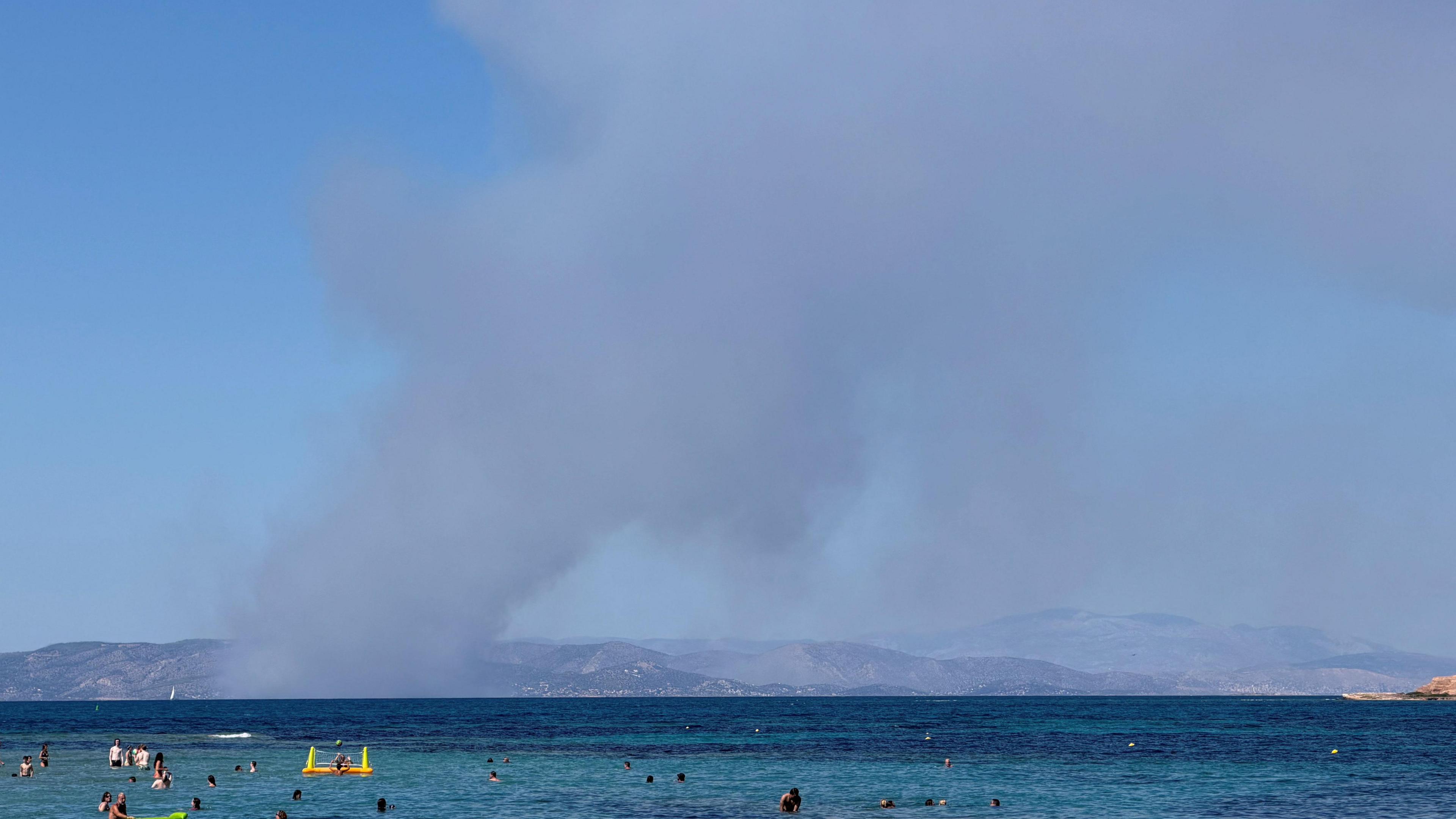
Last year, a brushfire forced Chris Matthews and his family of five to flee Spokane’s streets, a routine evacuation that made them more prepared for another blaze. That routine ended when, on a dry, windy Saturday, an ominous column of black smoke surged toward their home. When they returned a few hours later, the houses were nothing but smoldering brick, glass and the black scent of ash.
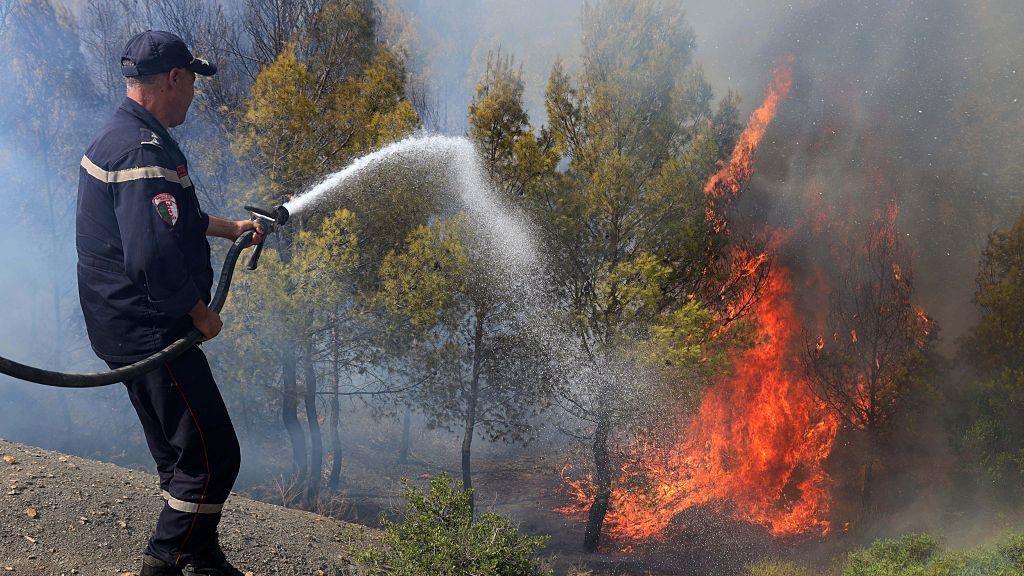
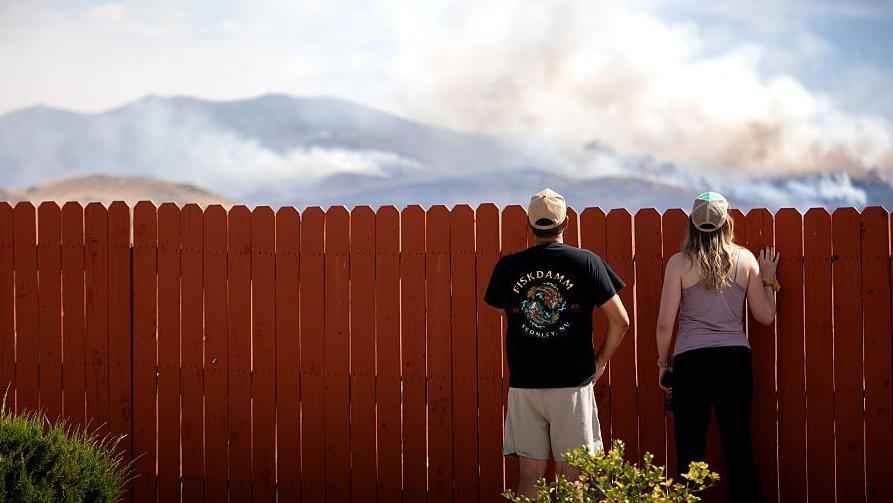
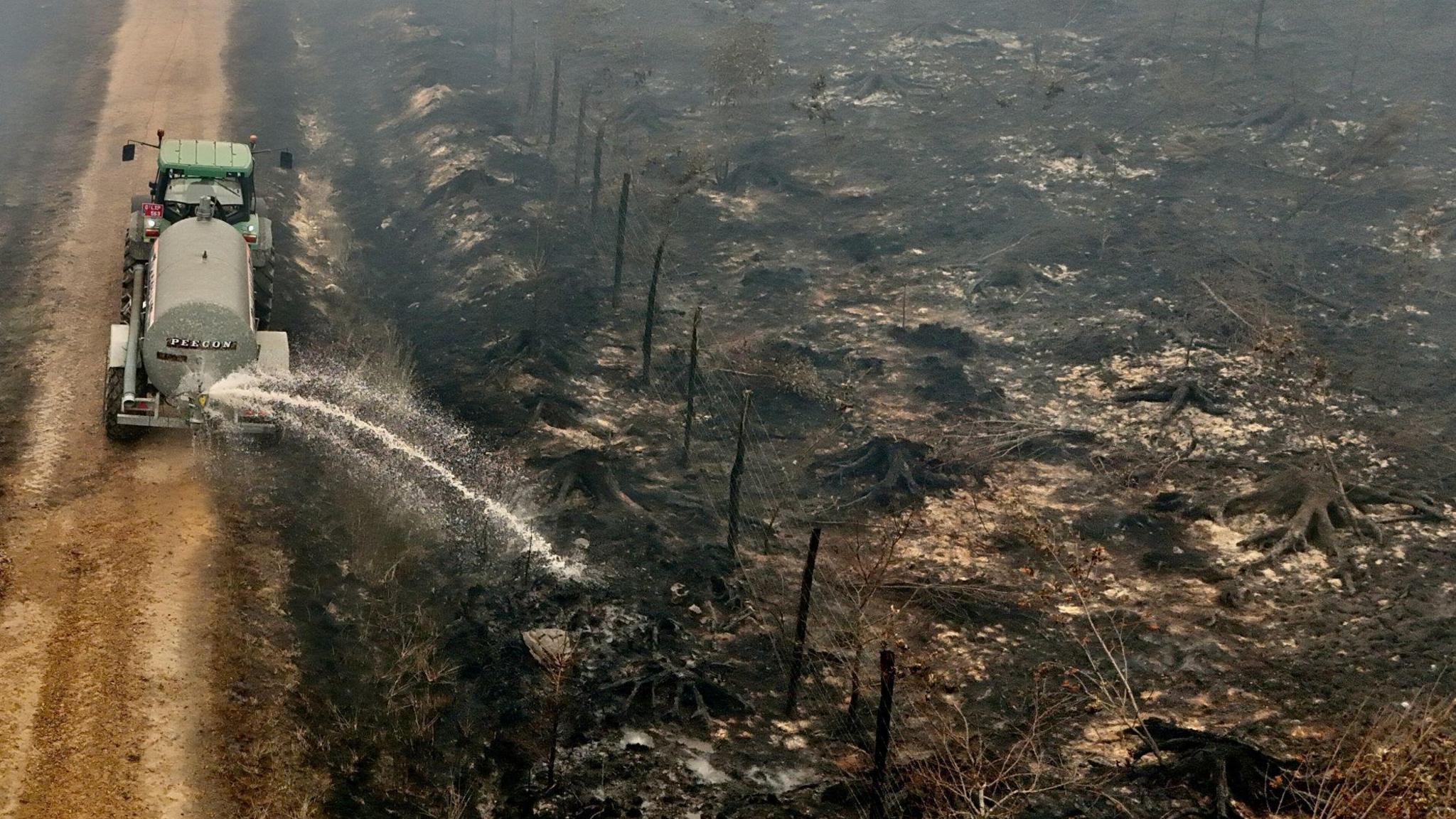
For the city, this summer’s fires have taken a new form. The blaze jumped over the Spokane River—a natural firebreak that usually protects the downtown area—billowing up the hills fast enough that the wind rushed across the water as if there were no barrier. According to Kira Townsend, nearly 65,000 residents have been forced to leave their homes. The mean time for safe return is still weeks, yet firefighters are still battling three large fires that are less than 40 percent contained.
While some feel relief at the absence of fatalities, the regular outcry from residents is raw. One 73‑year‑old skier, Scott Hansen, now rides a bike through shattered neighborhoods to bring groceries back to his shelter. He says the wind was relentless: “It just blew over the river like it wasn’t there at all.”
 Rubble of a home that was once a family’s safe haven.
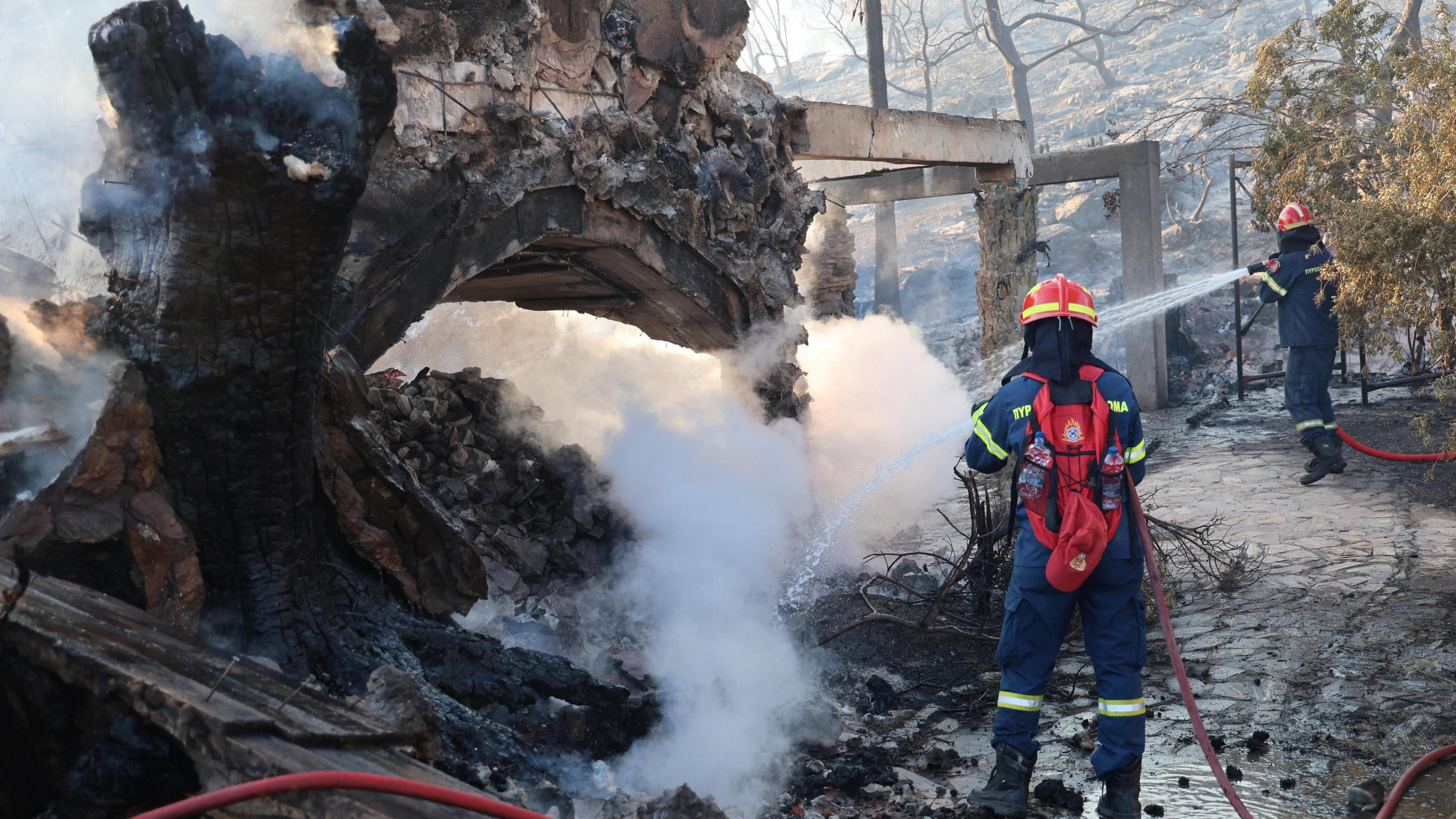
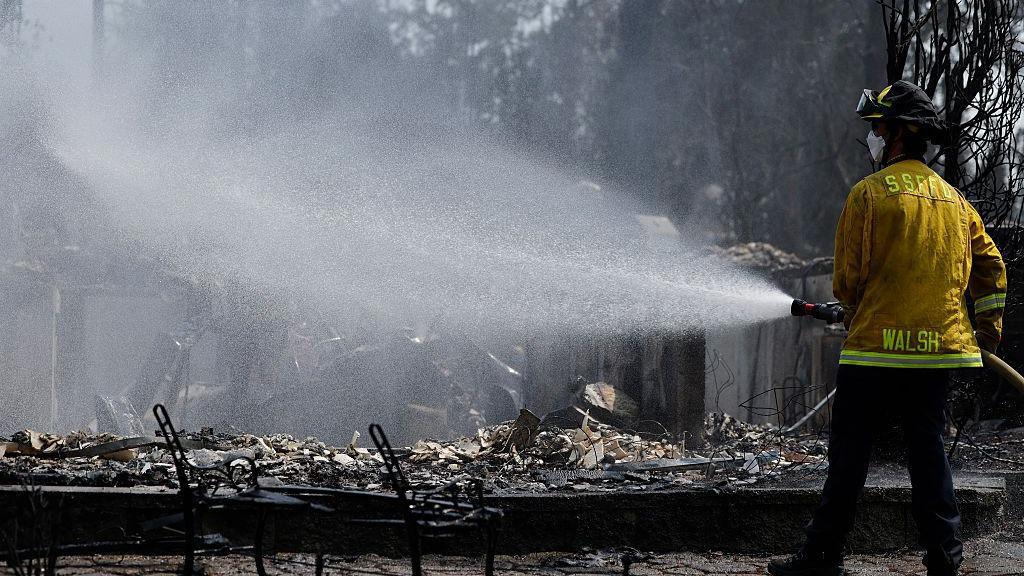 A firefighter tends to misplaced smoke‑affected wreckage.
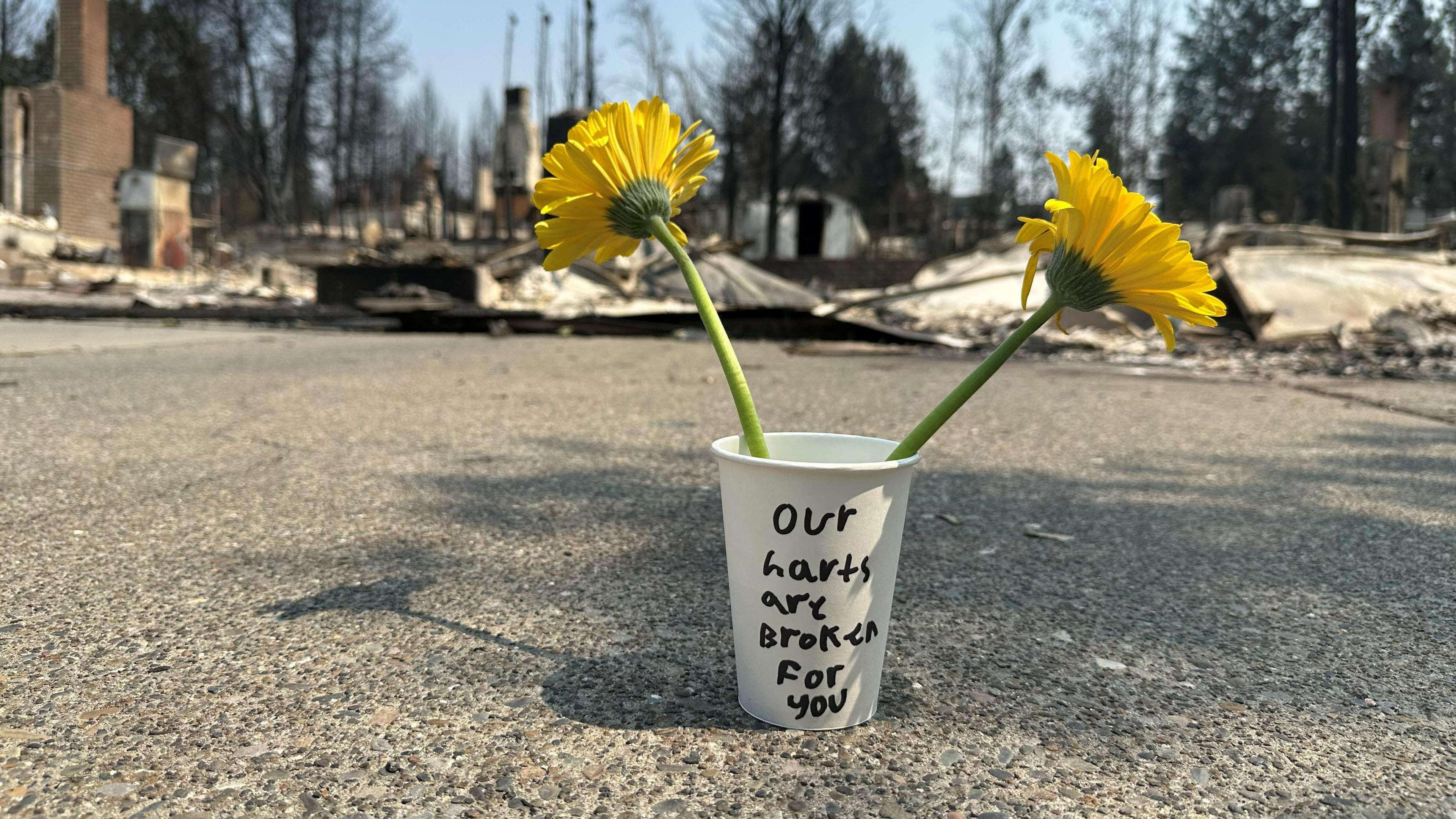 “Our hearts are broken for you,” reads a bouquet placed on a scarred street.
A police action has added a new layer of anger—an alleged arsonist, Aaron Farinacci, 37, has been arrested for allegedly starting the blaze, given his history of violent offences. Officials say he deliberately waited for a dry, windy day hoping for a large inferno. A judge ordered a mental‐competency evaluation. Citizens who lost homes in the June flames say a man who got the fire started feels like a verdict in a tragic story.
In the aftermath, Chris Matthews urges neighbors not to let history repeat itself. He now knows the fire destroyed his home, but the guilt of an intentional act, rather than a natural hazard, offers a strange comfort. Residents call for a thorough review of fire‑risk policies, especially in the Pacific Northwest, where climate change is amplifying fire seasons. That much remains the single, shared imperative: let no member of our community again feel unprepared for a scorching year in spring or summer.