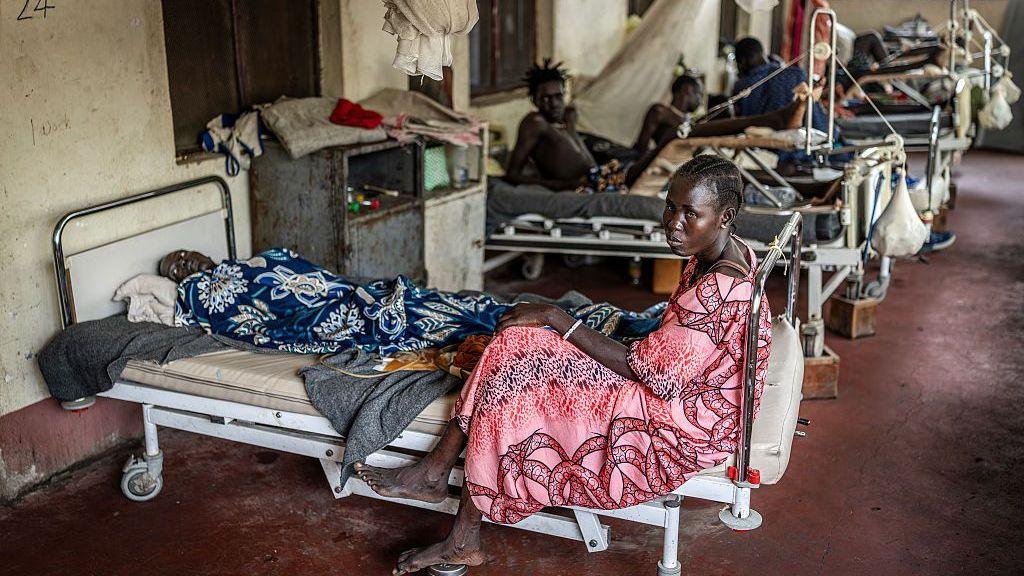
Sudan’s fragile health system is on the brink of collapse as global funding cuts have led to the closure of healthcare facilities across the country, Médecins Sans Frontières (MSF) has warned.
Dozens of organisations were unable to find alternative funding after the United States, the largest donor to Sudan, closed USAID last year, the medical charity said.
MSF urged world leaders gathering at the UN General Assembly in New York to take action.
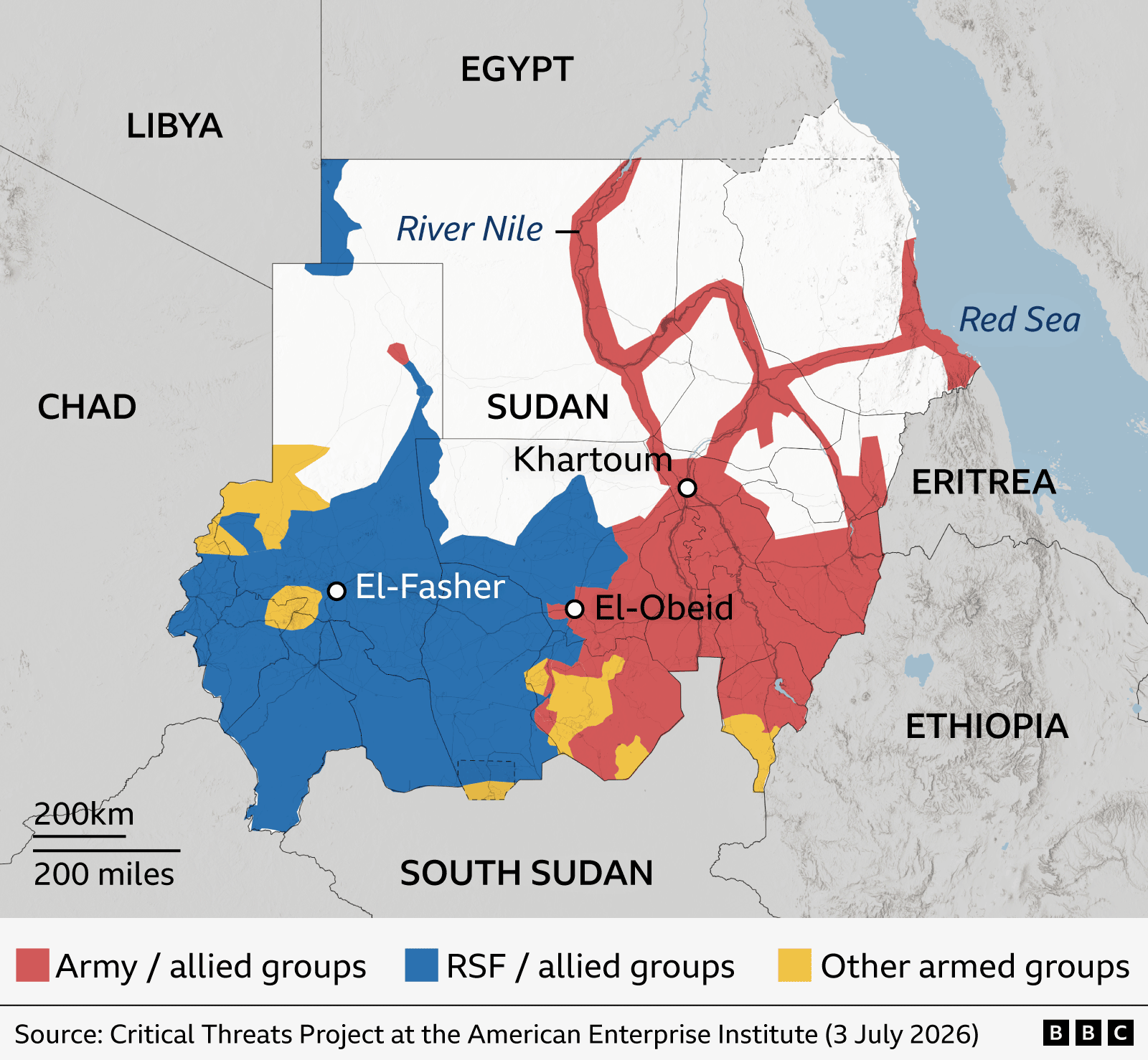
The war that erupted in April 2023 between the army and the paramilitary Rapid Support Forces (RSF) has created one of the worst humanitarian crises in the world, with more than 33 million people needing medical assistance.
MSF said while the US was still the largest donor to Sudan, existing grants to many USAID‑funded organisations ran out in June, as European governments were also reducing international assistance.
According to the Paris‑based Organisation for Economic Co‑operation and Development (OECD), international aid fell globally by 21.3% in 2025 compared to the previous year.
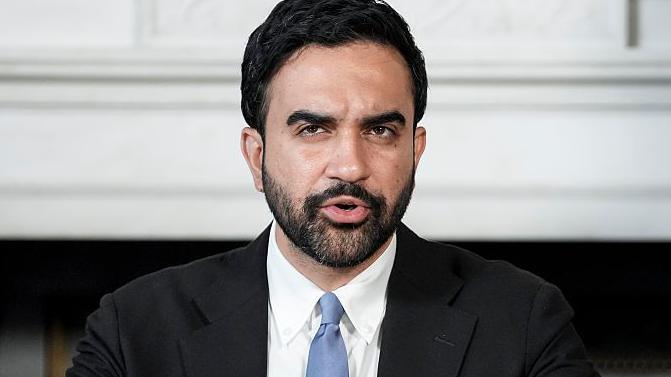
"War is driving Sudan’s needs; funding cuts are shrinking the response," said Muhammad Ibrahim, the head of charity in Sudan.
"MSF’s work in Sudan is privately funded. But when funding disappears from other health services, clinics close, patients have fewer places to go, and pressure shifts to the facilities that remain, including ours," he added.
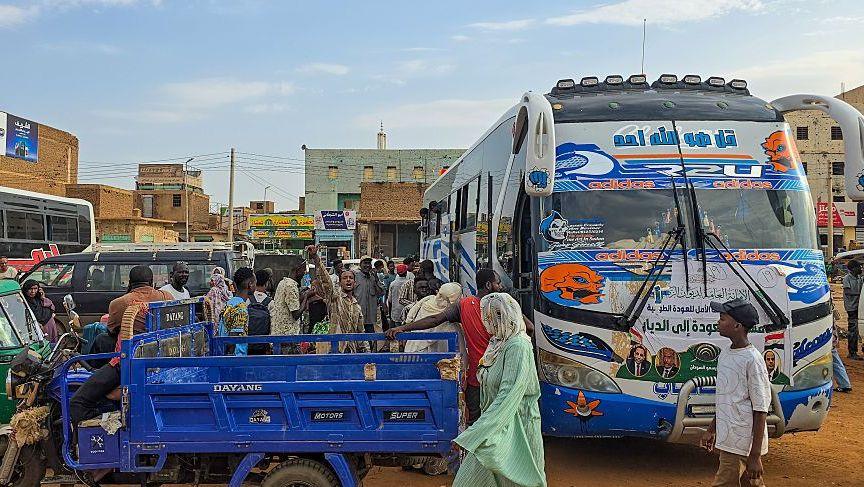
This has meant that patients often have to make dangerous and long trips to get treatment.
"After a longer and more expensive journey, patients often arrive in a much more serious condition, and the hospital may already be full," explained Sebastián Traficante, MSF's emergency co‑ordinator in the western region of Darfur, which has experienced much of the fighting over the last three years.
Between January and April 2026, MSF saw admissions jump by 22.5% in facilities it supports in central Darfur, when compared to the same time last year.
In May alone, 45 healthcare centres in the area had stopped receiving funding, it said.
According to MSF, the closure of frontline services was putting other hospitals under severe strain – as they were losing their capacity to function and medicines were disappearing.
The camp in Gedaref state where 18,400 people are sheltering has seen its maternity and surgical wards shut down after a humanitarian organisation left in June. MSF is now running an emergency room there, but pregnant women who need surgery to deliver a baby have to travel three hours to the nearest city.
In the Um Rakuba camp – also in Gedaref – the number of aid agencies working there has dropped from 35 in 2021 to less than 10.
According to the charity, the camp currently hosts around 17,000 people, most of whom are women and children.
"If support does not increase, more patients will face longer journeys, fewer treatment options and greater risk of arriving too late for care," MSF's UK humanitarian representative Liz Harding said.
At the same time as the health system was struggling with funding, attacks on healthcare workers were continuing, MSF said.
In 2025, Sudan saw 1,620 people killed in attacks on medical facilities – which the charity said accounted for 82% of all global deaths from attacks on healthcare worldwide.
According to the UN, more than 19.5 million people are also experiencing "crisis levels" of food insecurity and more than five million are facing "emergency levels of hunger".
The fighting shows no sign of easing – despite the expected arrival of international diplomats in the Sudanese capital, Khartoum, for consultations aimed at ending the civil war.
Reports from north Kordofan state say at least 11 people have been killed in a drone attack on the army‑controlled town of Umm Ruwaba. According to medical sources, the projectile struck a crowded courtyard in a court complex.