Supreme Court Upholds Birthright Citizenship: Trump’s Immigration Plan Flopped
In a 6‑3 decision on June 30, the U.S. Supreme Court reaffirmed that a child born anywhere on American soil is automatically a citizen under the 14th Amendment, even if the parents are undocumented or only temporarily present. Chief Justice John Roberts wrote that the Constitution’s phrase "subject to the jurisdiction thereof" applies to all persons born within the country, thereby rejecting President Trump’s executive order that aimed to strip this right from children of illegal immigrants.
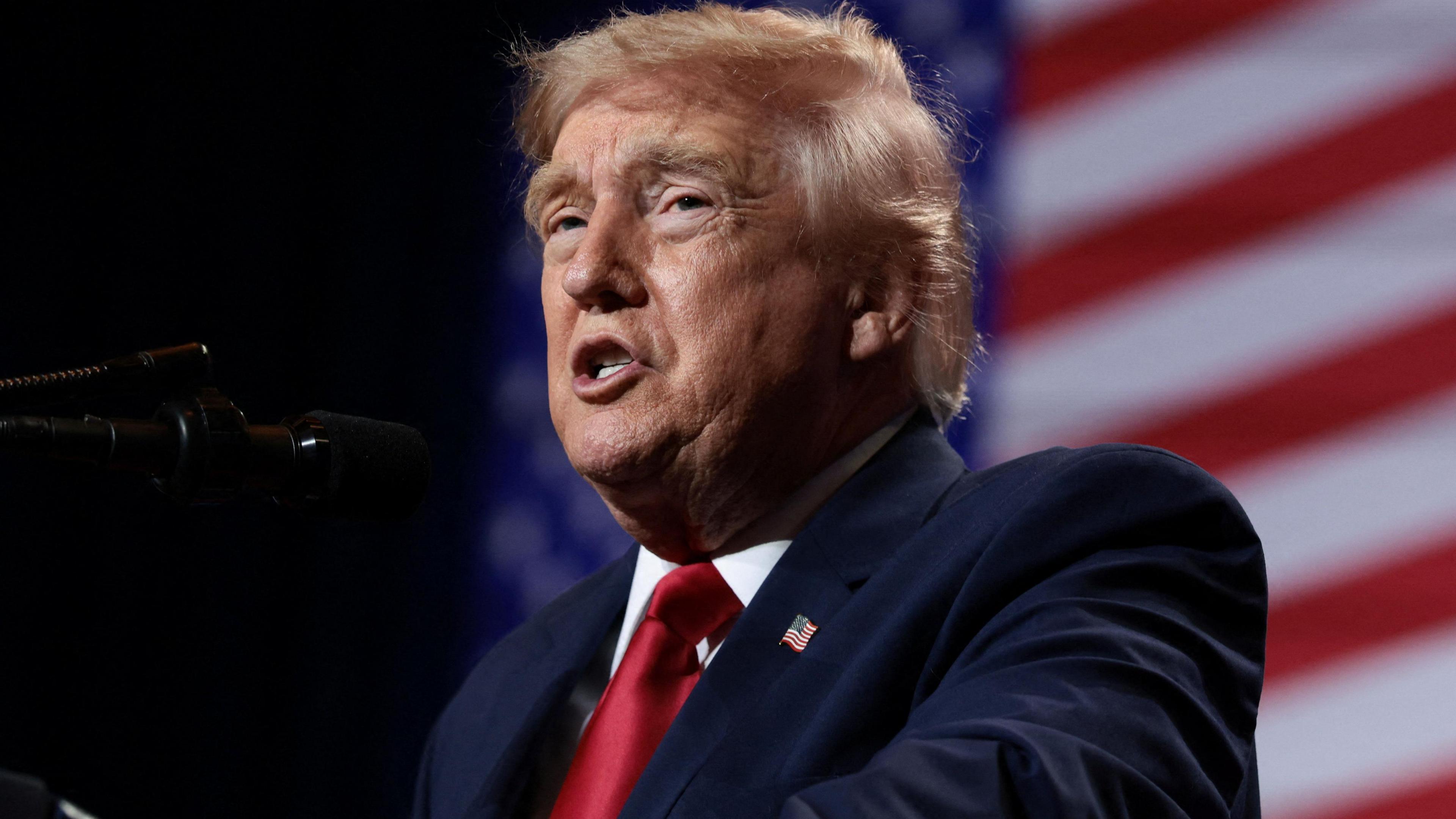
The decision marks a significant setback for Trump’s long‑standing goal to modify the law that has granted citizenship to every birth within U.S. borders since 1868. Trump’s administration had argued that the phrase "subject to the jurisdiction" should exclude those whose parents were not permanently resident. In response, the Republican president called the ruling "too bad" and vowed to continue seeking legislative changes.
Justice Roberts’s Majority Opinion: "Citizenship, then and now, was the right to have rights—freely participating in our political community," he wrote, emphasizing that the framers of the 14th Amendment extended that promise to "every free‑born person in this land."
Three justices—Clarence Thomas, Neil Gorsuch and Samuel Alito—dissent, with Alito describing the ruling as a "serious mistake" that might allow anyone born in the country to acquire citizenship, irrespective of their purpose for being there.
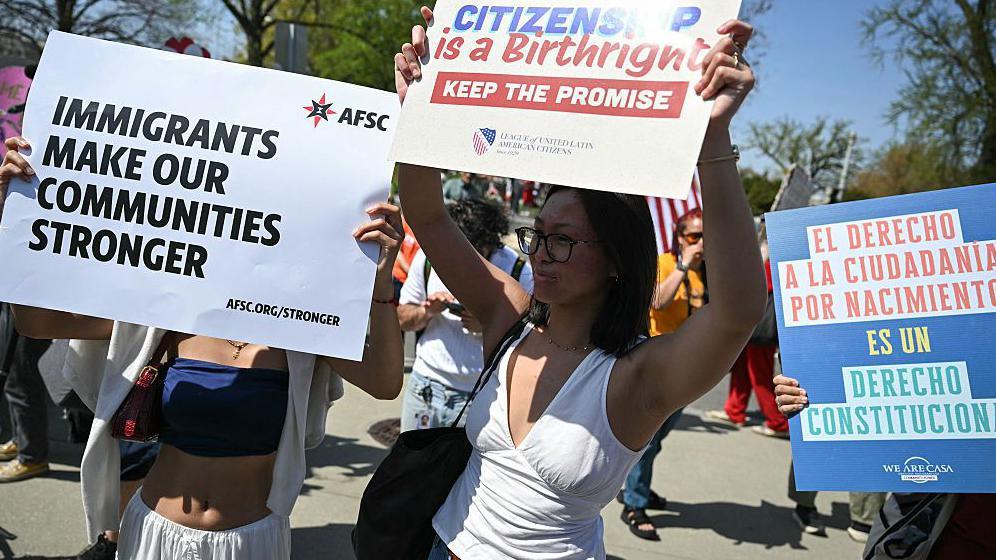
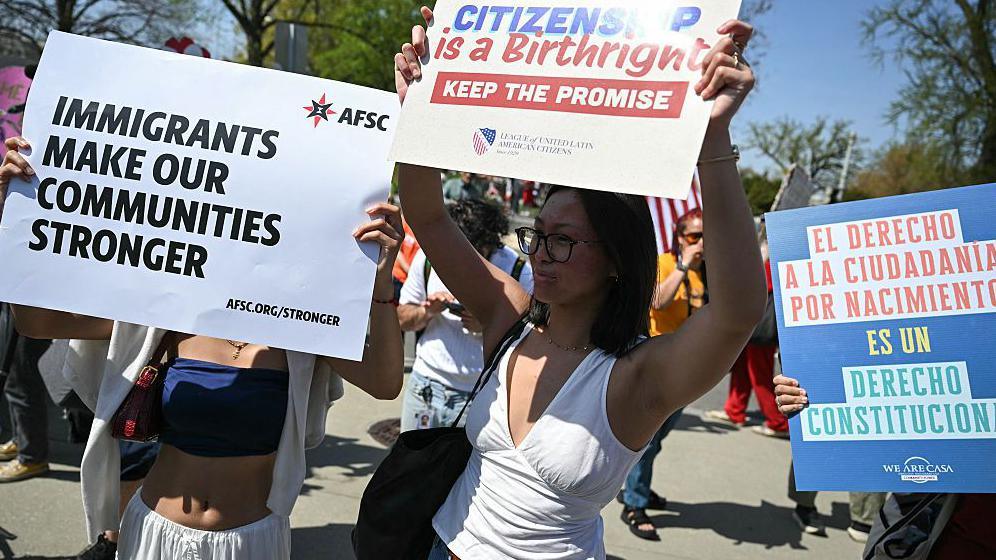
The ruling was met with widespread acclaim from civil‑rights groups and Democratic lawmakers. House Minority Leader Hakeem Jeffries said, "The court has finally affirmed that all persons born in the United States are American citizens." Legal experts celebrated the decision as a reinforcement of a constitutional principle that has guided American identity for over a century.
While the Supreme Court remains divided, the 6‑3 outcome solidifies birthright citizenship as a constitutional guarantee, continuing the legacy that once laid the groundwork for a democratic society that values inclusiveness and belonging.