Symbolic Kyiv Meetings Highlight Deep Gaps Between Russia and Ukraine
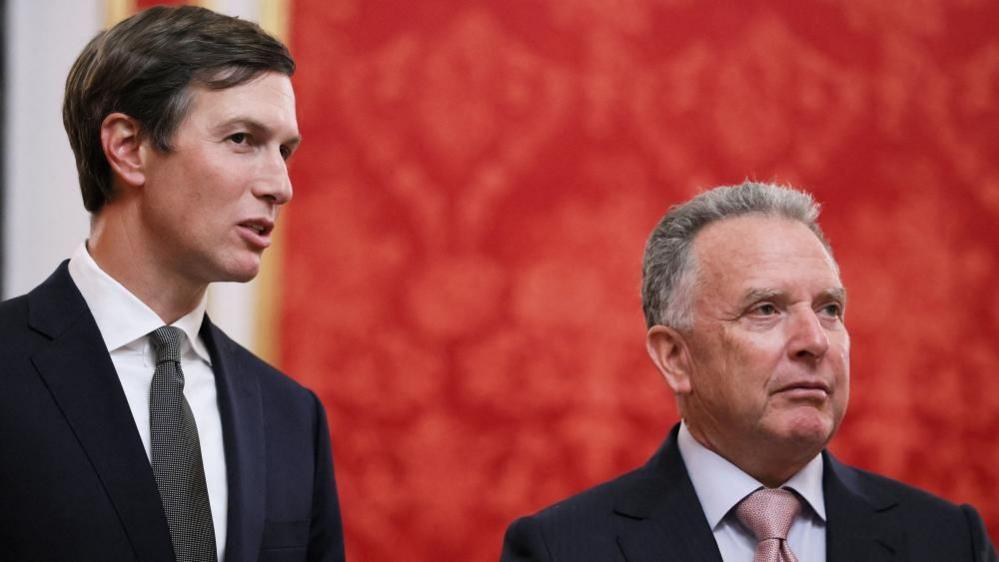
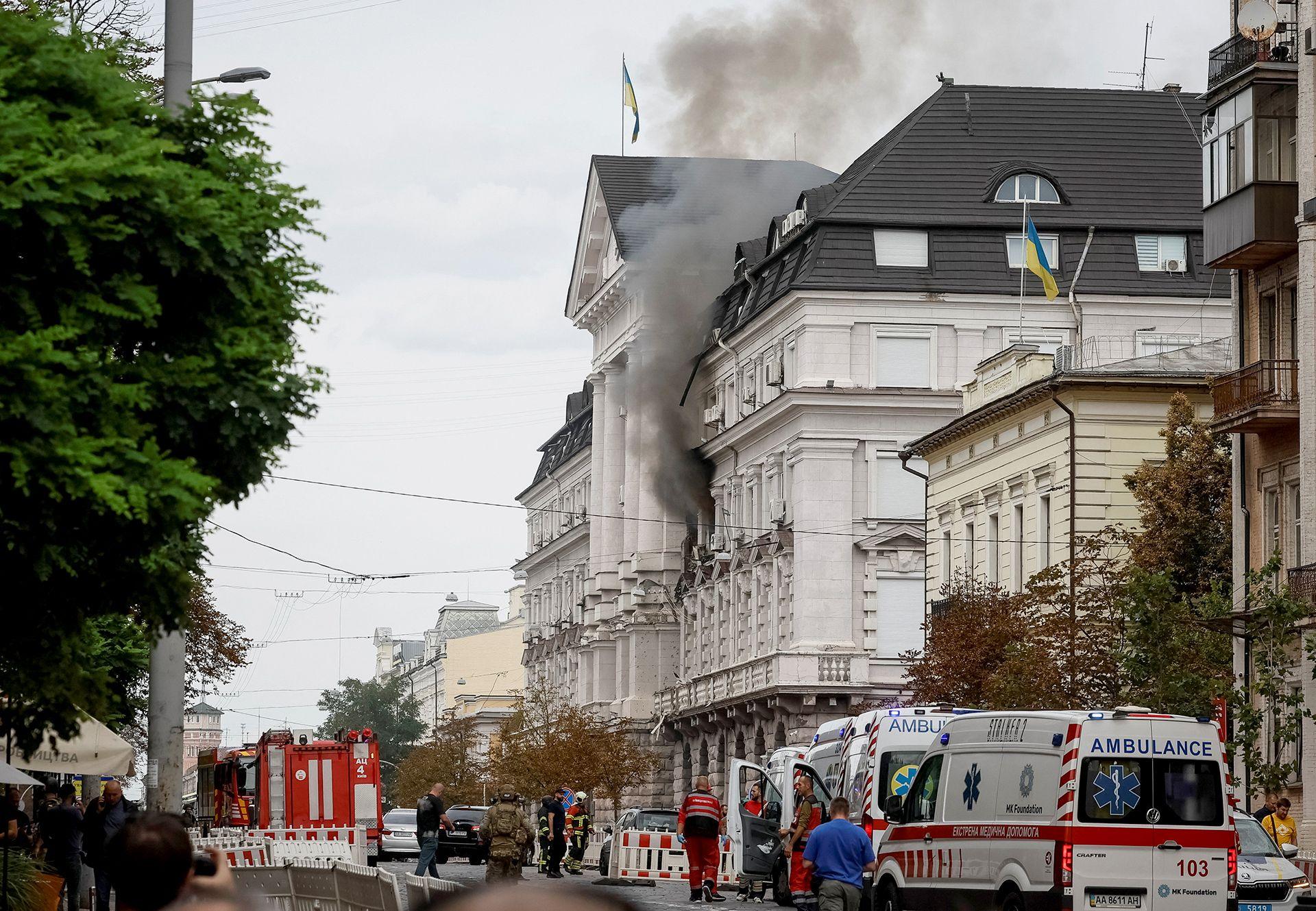
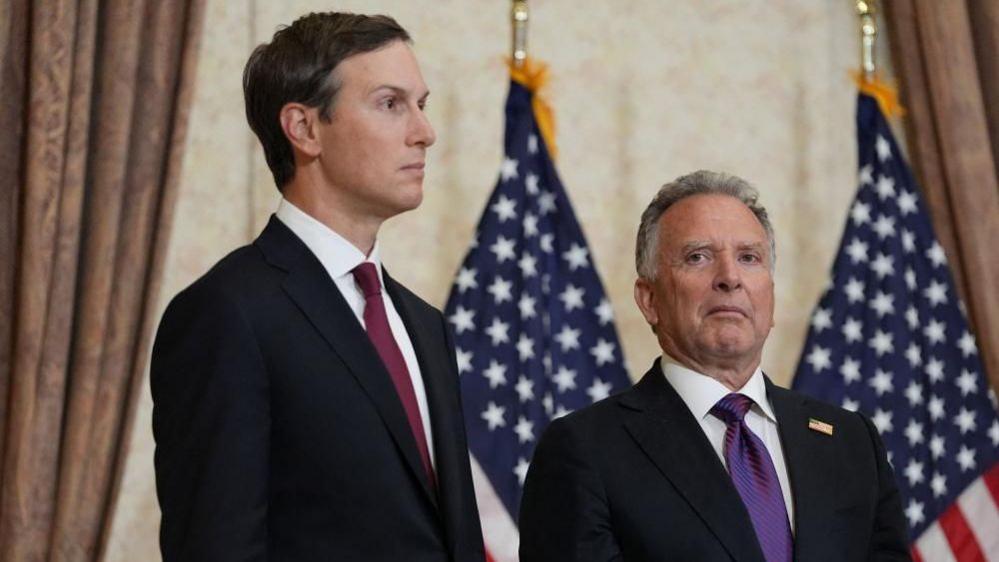
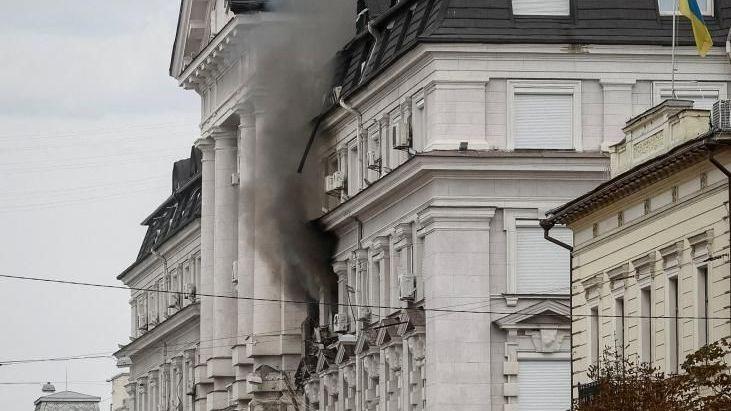
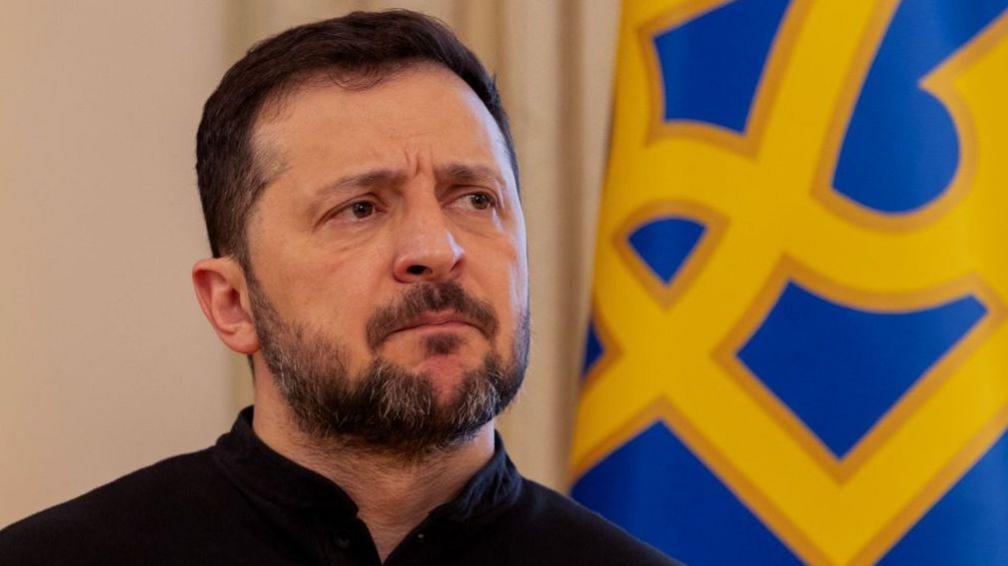
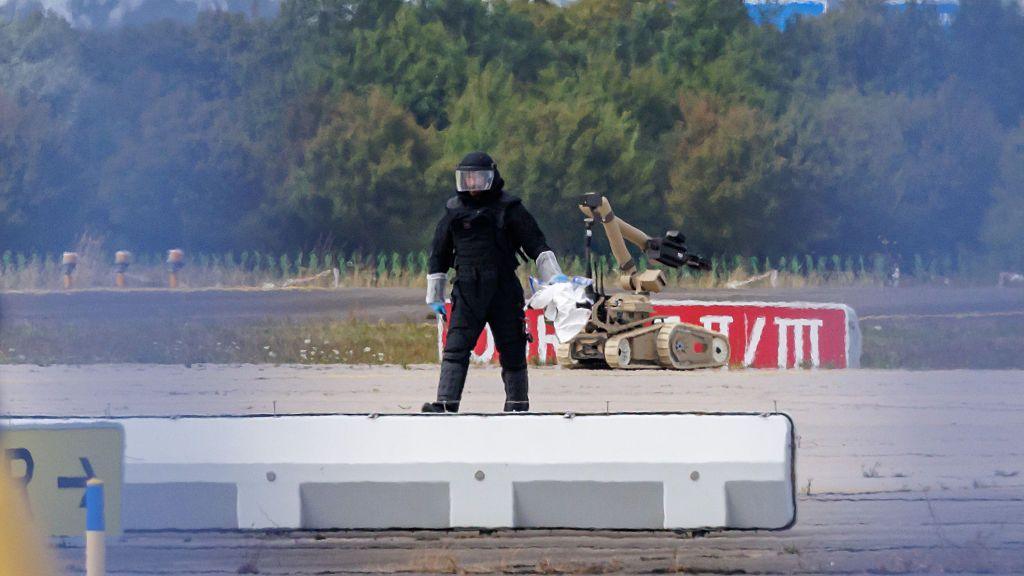
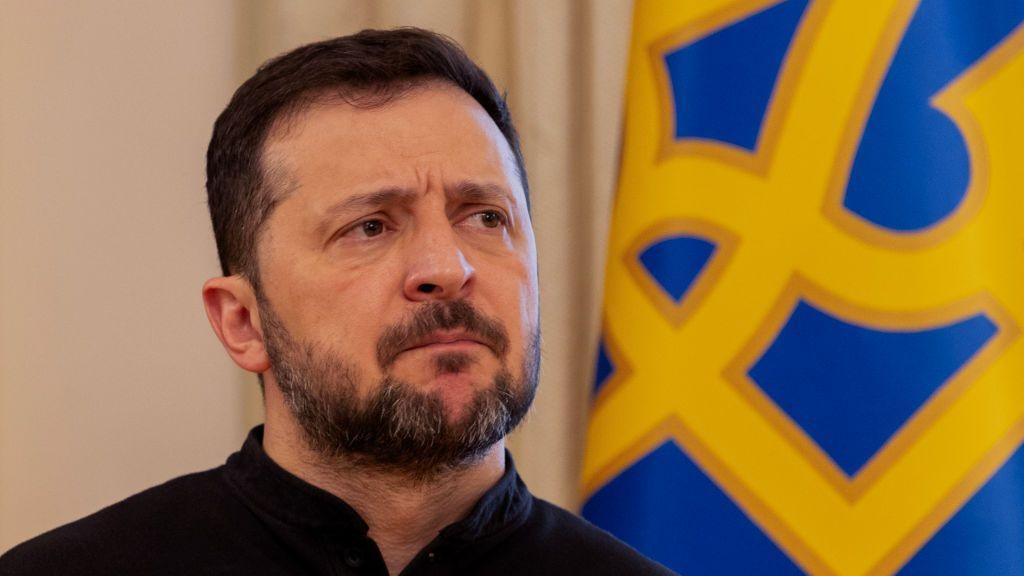
Ukrainian President Volodymyr Zelensky welcomed U.S. special envoy Steve Witkoff and Jared Kushner—Trump’s son‑in‑law—at St. Sophia Cathedral for a short‑term pause in fighting that followed a drone strike on the country’s security services headquarters.
The visit was laden with symbolism. The U.S. envoys travelled by train to keep safe from Russian drones that had been launched from the Kremlin in the hours before the meeting, while the cathedral itself stands just metres from the attacked security headquarters. Zelensky’s greeting was interpreted as a statement that Kyiv will not surrender any territory in eastern Donbas, treating the region as a “difficult” issue that would not be ceded.
The talks lasted several hours. European national security advisers, including UK National Security Adviser Jonathan Powell, joined the discussions, and all parties spoke optimistically about moving forward on “trilateral talks” involving the U.S. and Europe.
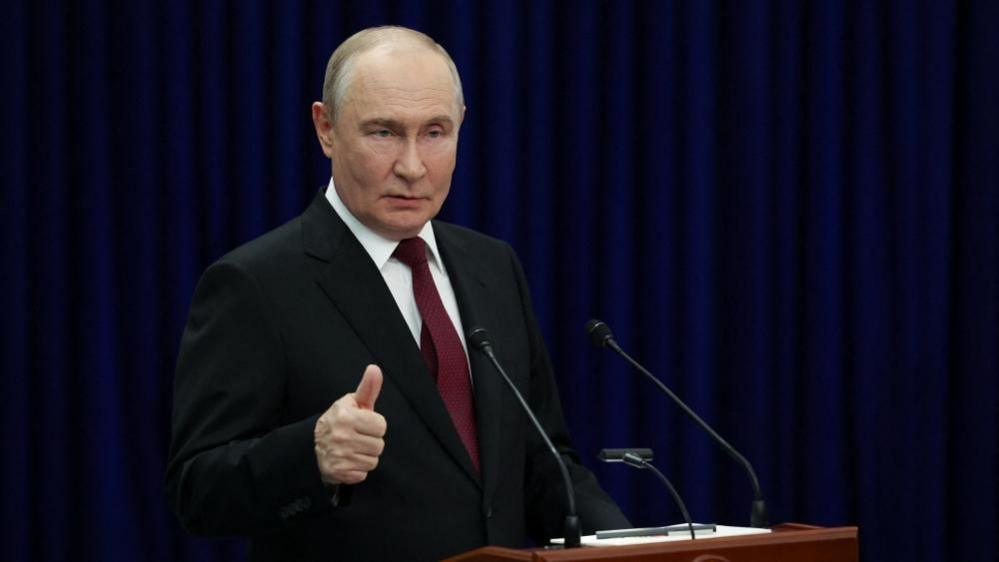
Despite the symbolic show‑case, fundamental differences persist. Putin told the envoys that Russian forces were achieving “tangible advances” in the conflict, whereas Zelensky claimed Ukraine had gained more territory and Russia suffered 42,000 casualties. Putin’s real demands remain: territorial concessions, no NATO aspirations, and reduced army size.
Witkoff said progress had been made and the ingredients for a settlement were present, but both sides would need to compromise. “Right now it’s hard to see either side do that,” he admitted. The expectation in Kyiv is that fighting will continue into the winter, and that any settlement would likely be postponed until next spring, if achieved at all.
Zelensky thanked the U.S. envoys for allowing a brief pause in air strikes, giving Kyiv a respite that few expect to last. The world watches as the symbolic gestures clash with the stark realities of the war that show no signs of quick resolution.